Most hikers think of fatigue as a physical problem.
Sore legs. Slower pace. Heavier breathing on climbs.
What receives far less attention is what fatigue does to judgement.
In the field, fatigue rarely stays physical. It changes how you think. It narrows your perception, simplifies your decisions, and reduces your willingness to reassess what is happening around you.
None of this feels dramatic while it is happening. In fact, it often feels like determination.
But this narrowing effect is where many small errors begin.
Fatigue Narrows How You See the Day
Early in a hike, decision-making is expansive.
You notice terrain features. You register subtle weather changes. You consider alternate routes. You monitor water consumption deliberately. You have cognitive bandwidth.
As fatigue accumulates, that bandwidth begins to contract.
Attention shifts toward immediate tasks. Foot placement. Breathing rhythm. The next small rise. The next landmark.
Longer-term considerations begin to fade. The upcoming descent. Remaining daylight. Water reserves. The energy required to retrace steps if needed.
This is not carelessness. It is how the brain conserves energy.
In controlled environments, that narrowing can be efficient.
In dynamic outdoor terrain, it can quietly reduce your safety margin.
Why “Pushing On” Feels Reasonable
Fatigue does more than reduce energy. It changes how decisions feel.
When effort has already been invested, the pull to continue strengthens. Turning back feels like loss. Continuing feels productive.
Fatigue amplifies this effect because reassessment requires mental effort. Continuing on the current line requires less.
The decision to keep going rarely feels reckless. It often feels justified:
- We are close
- The summit is not far
- The campsite must be over the next rise
- We have already come this far
Under fatigue, these thoughts feel convincing.
What receives less attention is whether the assumptions behind them are still valid.
- Is your pace still aligned with daylight?
- Is your water plan still intact?
- Has the terrain become more complex than expected?
- Has the weather changed the risk profile?
Fatigue reduces the likelihood that these questions are asked early.
How Fatigue Interacts with the System
Fatigue does not operate in isolation. It interacts with every other safety system on the hike.
A slower pace increases time exposed to weather. Longer exposure increases fatigue. Fatigue reduces decision quality. Reduced decision quality increases the likelihood of navigation errors or delayed reassessment.
Pressure begins to transfer between systems.
Navigation becomes less deliberate. Hydration is managed less consistently. Environmental changes are noticed later. Decisions are made with less clarity.
This is how situations begin to drift.
When Terrain Amplifies the Effect
The impact of fatigue becomes more pronounced in complex terrain.
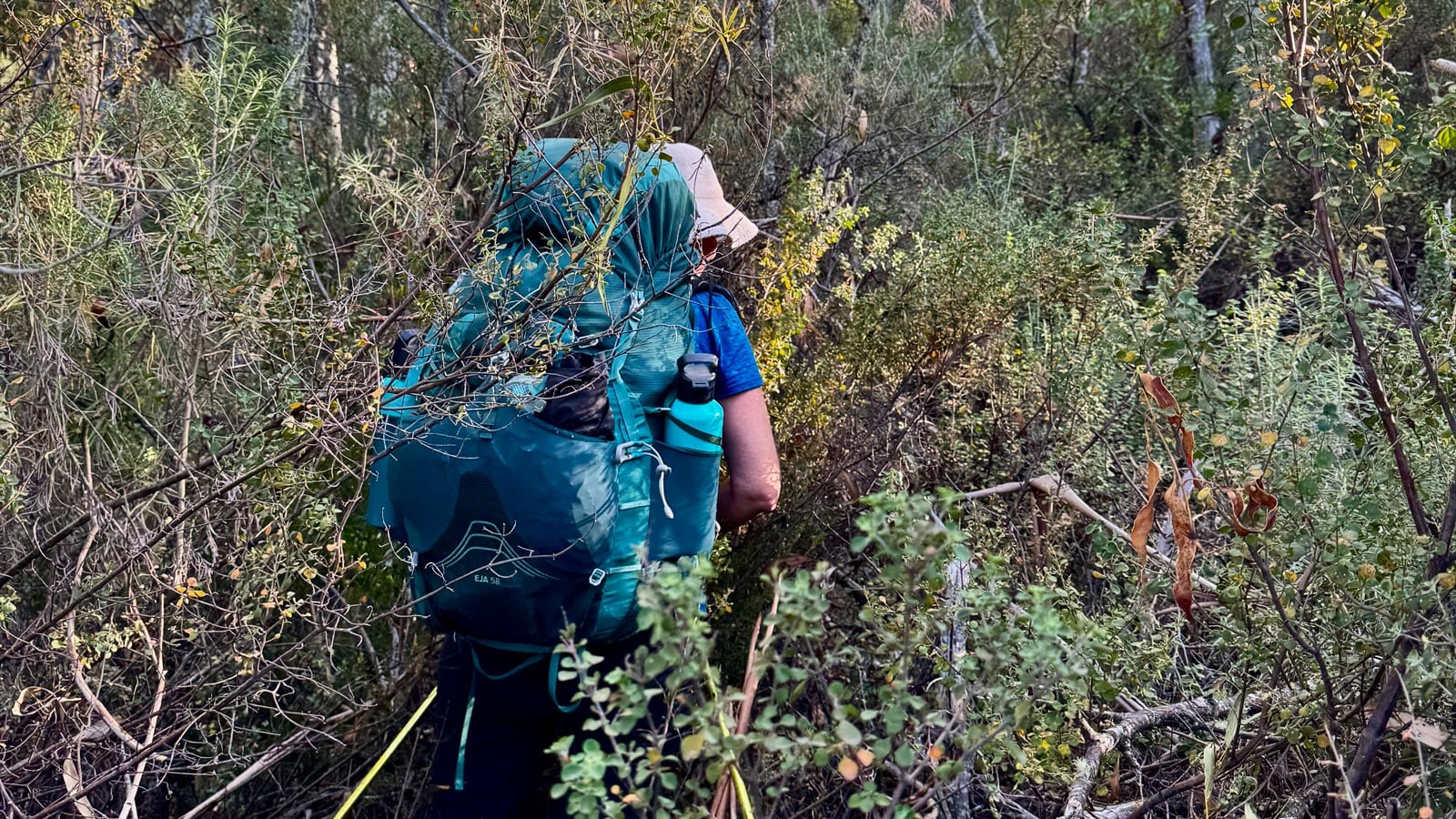
In open ground, reduced attention may have limited consequences. In scrub, alpine ridgelines, boulder fields or poorly defined spurs, the same reduction in awareness has greater impact.
Navigation decisions become simplified.
Instead of confirming position, hikers begin following the line of least resistance. Instead of pausing at junctions, they assume they are correct. Instead of checking a map or device, they delay the check until uncertainty becomes obvious.
By that point, the margin is often already reduced.
Fatigue does not create mistakes on its own. It lowers the threshold at which small inaccuracies accumulate.
Group Dynamics Under Fatigue
Fatigue also changes how groups function.
When people are fresh, communication is open. Route options are discussed. Pace is adjusted collaboratively.
Under fatigue, communication often compresses.
Stronger members may increase pace without realising. Quieter members may hesitate to raise concerns. The group begins to move on momentum rather than deliberate decision-making.
Cognitive narrowing becomes collective.
Reassessment requires someone to interrupt the flow. To suggest a pause. To question the plan.
When everyone is tired, that interruption feels unnecessary.
So it is often delayed.
The Illusion That Nothing Has Changed
One of the most subtle effects of fatigue is that everything appears to still be working.
You are still moving. Still navigating. Still progressing.
Externally, the hike looks functional.
Internally, decision quality may already be reduced.
This is why fatigue-related errors rarely feel obvious at the time. They reveal themselves later, when daylight is shorter than expected, when water reserves are lower than planned, or when terrain proves more demanding than anticipated.
The issue is not that hikers become fatigued.
It is that they assume their thinking remains unaffected.
Building Fatigue Awareness into Your System
Fatigue cannot be eliminated in demanding environments. But it can be anticipated.
The goal is not to avoid fatigue, but to recognise how it affects your decision-making and plan accordingly.
This means:
- Planning reassessment points before fatigue accumulates
- Monitoring pace against daylight, not just distance
- Treating late-day navigation decisions as higher risk
- Increasing margin when effort rises, rather than maintaining original targets
Most importantly, it means recognising that decision quality is often lowest late in the day, not highest.
Before You Head Out
On your next hike, expect fatigue to affect more than your pace.
Notice when your focus begins to narrow. When reassessment feels unnecessary. When continuing feels easier than stopping.
These are not signs of failure.
They are signals that your decision-making system is under pressure.
Recognising them early allows you to adjust while options are still available.
Explore the Safety Systems
If you want to go deeper into how these systems interact in real-world conditions: