Limestone Caves and Wetlands on Perth’s Northern Fringe
Overview
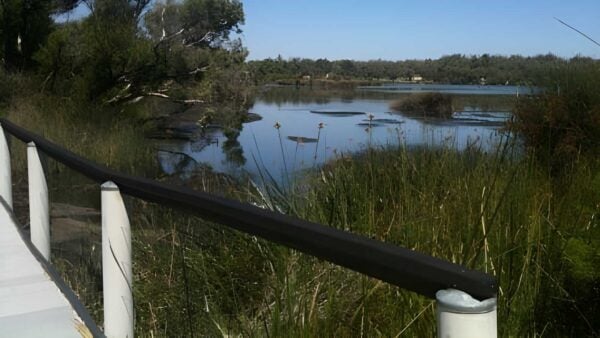
Yanchep National Park sits on the northern Swan Coastal Plain, not far from the coastal town of Yanchep and about 50 kilometres north of Perth. It is known for a mix of limestone country, wetlands and remnant woodland, all packed into a park that feels surprisingly varied for its size. The park’s character comes from the meeting of cave systems, freshwater lakes and bushland, with tuart and banksia communities giving much of the landscape its shape.
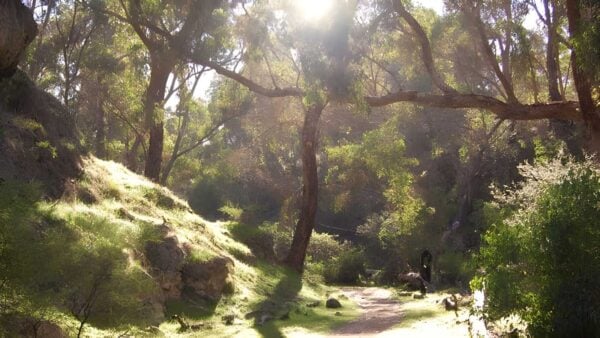
This is also one of the more accessible places to get a sense of the northern coastal plain environment without travelling far from the city. Around the central lake area the scenery is greener and more open, while beyond that the bushland and limestone outcrops show the older natural structure of the park.
Highlights
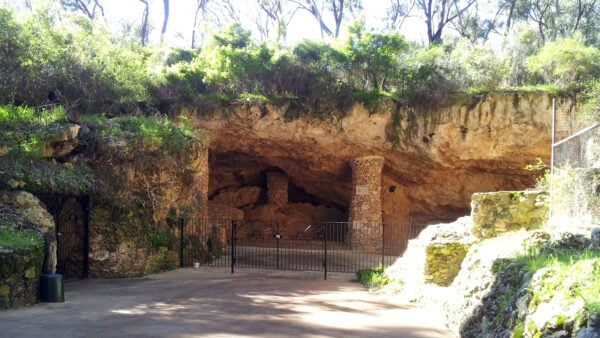
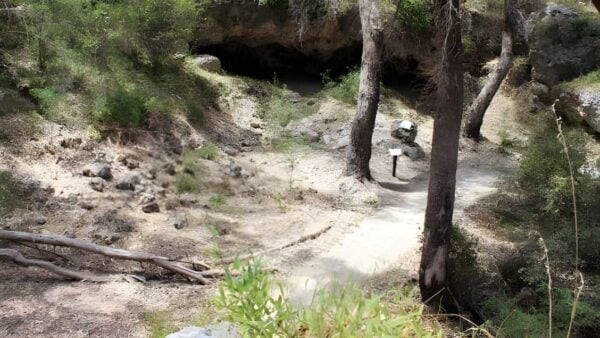
The strongest natural drawcard here is the contrast between water and limestone. Wetlands form a calm, reflective centre to the park, while beneath and around them sits a cave landscape shaped by flowing water over long periods. Crystal Cave is the best-known example, with stalactites, stalagmites and helictites revealing how active and intricate this underground system is.
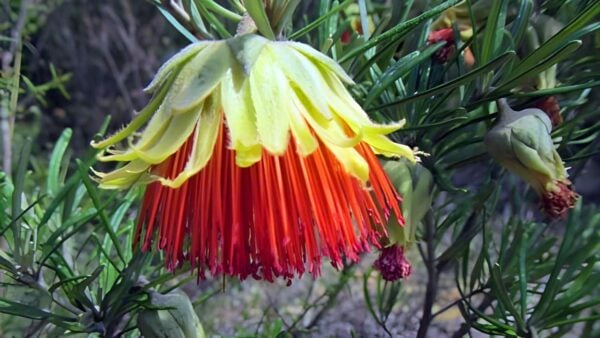
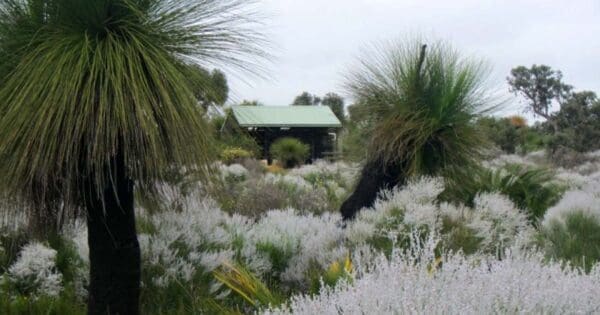
Above ground, the park’s scenic character comes from open lakeside edges, stands of tuart and banksia, and low limestone ridges that break up the plain. In spring, those limestone areas and surrounding bushland are brightened by broad wildflower displays, which add another layer to a landscape that already feels quite distinct from the denser forests further south.
Best Time to Visit
The most rewarding time to visit is usually late winter through spring, roughly August to October, when the weather is milder and the park’s wildflowers are out. This is also a good time to appreciate the contrast between green wetlands, flowering heath and woodland, especially across the more open parts of the park.
At other times of year, Yanchep still has plenty of appeal because the lakes, caves and shady woodland give it a different rhythm from many inland walking areas. Even so, spring is the season that brings the clearest sense of the park’s colour and ecological variety.
Plants and Animals
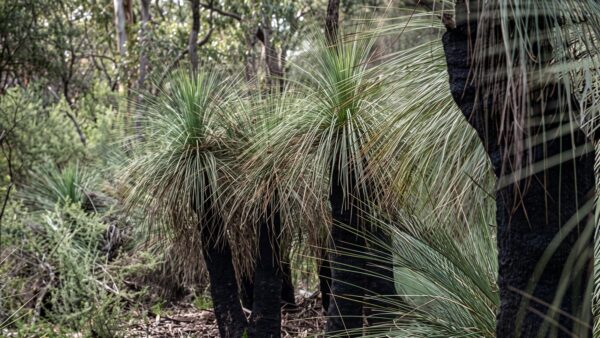
Yanchep protects important habitat in remnant tuart and banksia woodlands, along with wetlands that support birdlife and other native fauna. The vegetation includes paperbark, banksia, tuart, jarrah and sheoak, showing the park’s place at the meeting point of wetland and coastal plain bushland communities.
Wildlife is one of the park’s most recognisable features. Western grey kangaroos are commonly associated with the open grassy and woodland areas, and the wetlands attract many bushland and water-associated birds. The park is also known for its long-established koala colony, which has been part of Yanchep since 1938.
Culture and Heritage
Yanchep National Park is recognised as Country for both Whadjuk and Yued people. That connection is acknowledged directly in the park, and cultural interpretation is part of how the place is presented today through the Wangi Mia meeting place.
The park also carries a longer social history tied to its development as a public recreation area in the early twentieth century. That history sits alongside, rather than above, the much deeper Aboriginal connection to the landscape.