Sorry, no records were found. Please adjust your search criteria and try again.
Sorry, unable to load the Maps API.
Explore stunning hiking trails of Yalgorup National Park
Discover the diverse trails of Yalgorup National Park, Western Australia, offering hikes and walks for all skill levels and interests. Find your perfect adventure today.
Discover 3 hiking trails in Yalgorup National Park


Where Living Thrombolites Meet the Yalgorup Lakes
Overview
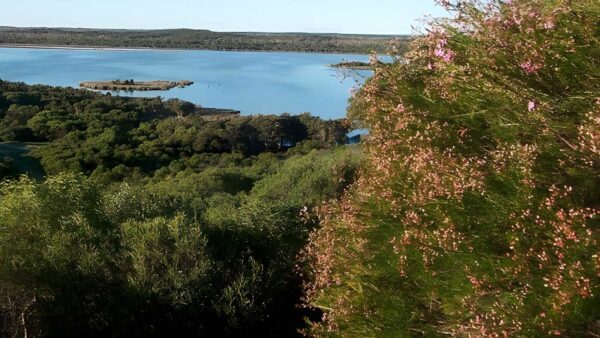
Yalgorup National Park sits south of Mandurah on the Swan Coastal Plain, protecting a long chain of coastal lakes, low limestone country and remnant woodland over about 13,140 hectares. The park is best understood as a wetland landscape rather than a single feature, with ten lakes forming part of the internationally recognised Peel-Yalgorup Ramsar wetland system.
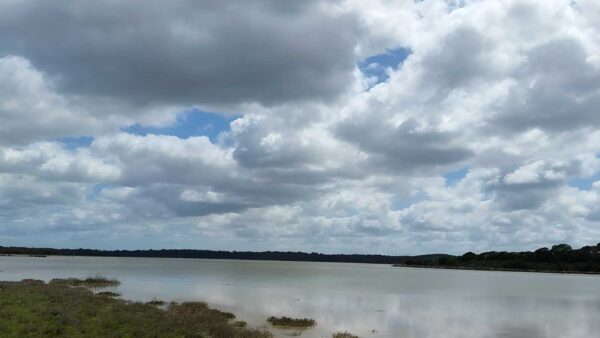
What makes this place stand out is the way those lakes sit so close to the coast yet each has its own character. Lake Clifton stretches inland for about 20 kilometres, Lake Preston runs for roughly 30 kilometres closer to the sea, and a series of smaller saline lakes lie between them. Together they give the park a broad, open feel, with water, woodland and coastal plain all folded into one landscape.
Highlights
The best-known natural feature is the Lake Clifton thrombolites, rock-like living structures built by microorganisms. They are part of a benthic microbial system that gives Yalgorup real scientific significance, and they also add something unusual to the shoreline scenery, especially where the lake edge, pale limestone and shallow water meet.
Beyond Lake Clifton, the appeal of Yalgorup is the scale and variety of its lake country. Long saline lakes, low ridges and fringing vegetation create a landscape that changes from broad and open to sheltered and intimate over short distances. The park’s scenery is shaped as much by subtle contrasts in water level, colour and vegetation as by any single dramatic landform.
Best Time to Visit
The milder months are usually the most comfortable time to spend in Yalgorup National Park, when walking conditions are better and the wetland landscape tends to feel at its most alive. Seasonal changes also affect how the lakes look, with water levels and the visibility of shoreline features shifting through the year.
If you are especially interested in the lake system itself, cooler months often bring a fuller sense of the wetlands, while drier periods can reveal more of the shoreline character around places like Lake Clifton. Winter rainfall also creates temporary fresher conditions in some parts of the system.
Plants and Animals
Yalgorup protects vegetation that is increasingly important on the coastal plain, especially tuart and peppermint woodland in very good condition. Around Lake Clifton and parts of Lake Preston, tuart can exceed 30 metres in height, with peppermint forming a second storey and banksias, wattles and melaleucas through the understorey. Some orchid species reach their northern distribution limits here, and one occurs only in the Yalgorup area.
The lakes are equally important for birdlife. They provide habitat for large numbers of waterbirds, including Australian shelduck, musk duck, black swan and migratory waders, and the park has records for 40 waterbird species. The park also supports threatened fauna, with chuditch recorded here, along with other native mammals including brush wallaby and evidence of bandicoots.
Culture and Heritage
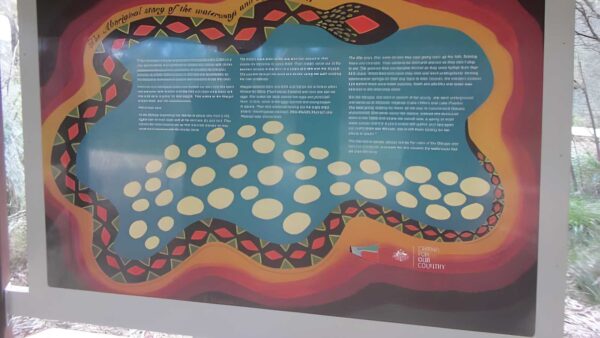
Yalgorup National Park is recognised as Pinjarup country.
Find more places to explore…
Help expand the trail collection!
Know of an official trail not listed on Trail Hiking Australia? I’m focused on showcasing the best tracks managed by land managers, and I’d love your help! Sharing a trail adds to our community and helps others discover safe, new adventures.
Submit your trail here

