Sorry, no records were found. Please adjust your search criteria and try again.
Sorry, unable to load the Maps API.
Explore stunning hiking trails of Woody Lake Nature Reserve
Discover the diverse trails of Woody Lake Nature Reserve, Western Australia, offering hikes and walks for all skill levels and interests. Find your perfect adventure today.
Discover 1 hiking trail in Woody Lake Nature Reserve
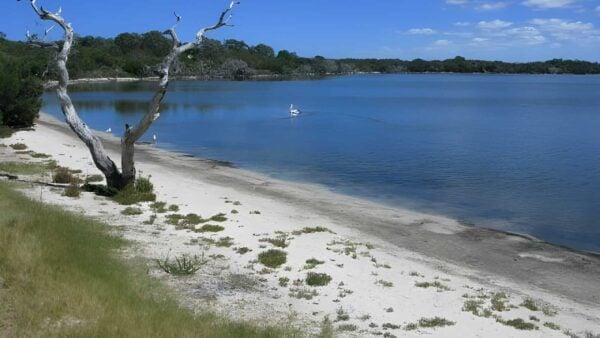

Saline Lakes and Paperbark Fringes Near Esperance
Overview
Woody Lake Nature Reserve sits on the edge of Esperance and protects a chain of coastal lakes that includes most of Windabout Lake, Woody Lake and Wheatfield Lake. It is part of the broader Lake Warden wetland system, a landscape of shallow saline lakes and low sandy country that gives this side of town a very different feel from the beaches and granite headlands closer to the coast.
What stands out here is the mix of open water, lake margins and lightly undulating sandplain. The reserve has long been managed for both conservation and low-key recreation, so it feels accessible without losing the character of a wetland system that is ecologically important on a much bigger scale.
Highlights
The real appeal of Woody Lake Nature Reserve is its lake country. Broad sheets of water, pale shorelines and belts of paperbark create a softer, quieter landscape than many of the better known coastal spots around Esperance. Around Wheatfield Lake and Woody Lake, the combination of open wetland and fringing vegetation gives the reserve much of its scenic character.
The setting also reflects the geology of the Esperance coast. This is a landscape shaped by changing sea levels over a very long period, with sandy plains and dune deposits behind the present coastline. That history helps explain the flat lake basins and low-relief country that make the reserve feel so open.
Best Time to Visit
The cooler months are usually the most comfortable time to spend in the reserve. The Esperance area has a Mediterranean climate, with cool wet winters and hot dry summers, so autumn through spring generally brings milder conditions and a greener look around the wetlands.
Seasonal water levels also change how the reserve looks. At times the lakes feel broad and reflective, while in drier periods the margins become more prominent and the shape of the wetland basins is easier to read from the ground.
Plants and Animals
Woody Lake Nature Reserve is especially important for waterbirds. The wider lake system is known to support thousands of birds, and Woody Lake, together with nearby Lake Warden and Mullet Lake reserves, is recognised internationally for its wetland values. The open water of Woody Lake and Wheatfield Lake is used by large numbers of waterbirds, and breeding has been recorded here for species including Pacific Black Duck, White-faced Heron and Great Crested Grebe.
The vegetation shifts with the landforms. Around the saline wetlands, saltwater paperbark and other lake-edge communities fringe the water, with rushes and sedges in wetter ground. South of Lake Wheatfield, that gives way to woodland with showy banksia, adding another layer to the reserve’s plant life and a clear contrast between wetland and sandplain habitats.
Find more places to explore…
Help expand the trail collection!
Know of an official trail not listed on Trail Hiking Australia? I’m focused on showcasing the best tracks managed by land managers, and I’d love your help! Sharing a trail adds to our community and helps others discover safe, new adventures.
Submit your trail here

