Sorry, no records were found. Please adjust your search criteria and try again.
Sorry, unable to load the Maps API.
Explore stunning hiking trails of South Gippsland
Discover the diverse trails of South Gippsland, Victoria, offering hikes and walks for all skill levels and interests. Find your perfect adventure today.
Discover 1 hiking trail in South Gippsland
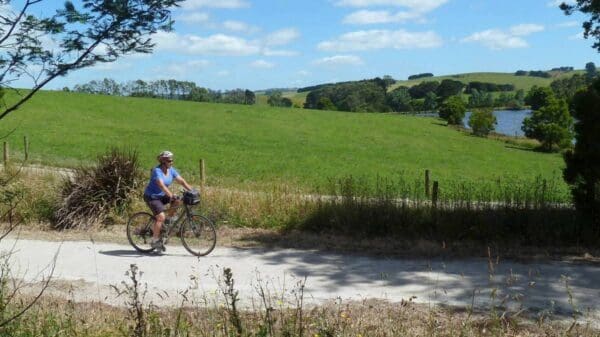

Where Rainforest Ridges Meet the Southern Coast in South Gippsland
Overview
South Gippsland brings together two very different landscapes in one part of Victoria. Inland, the Strzelecki Ranges hold cool temperate rainforest with giant Mountain Ash, fern gullies and ancient myrtle beech. Along the coast, long sandy beaches, headlands and exposed ocean edges give the region a much broader, wilder feel. From Melbourne, South Gippsland sits roughly 160 to 200 kilometres to the south-east, depending on which part of the region you are heading for.
This contrast is one of the region’s real strengths. Tarra-Bulga National Park preserves some of the best remaining original cool temperate rainforest in the Strzelecki Ranges, while the coast around Cape Liptrap and Wilsons Promontory shifts the scene completely to granite, dunes, surf beaches and marine-edge scenery.
Highlights
The scenic character of South Gippsland comes from that sharp change between tall, sheltered forest and open coast. In the Strzeleckis, the landscape is defined by deep fern gullies, towering eucalypts and damp rainforest understorey. Around Cape Liptrap, the coast runs from the sand barrier of Point Smythe to the quieter waters of Waratah Bay, with headlands, beaches and weather-shaped shoreline giving it a very different look from the inland hills.
Further south, Wilsons Promontory stands out for its broad sweep of protected landscape at the southern end of the mainland. The whole promontory is recognised for its geological and geomorphological significance, which helps explain the striking mix of granite mountains, coastal forms and sweeping inlets that make this part of South Gippsland feel so distinctive.
Best Time to Visit
South Gippsland works well across the year, but the best time depends on which side of the region you want to experience most. The cooler, wetter months suit the forested country well, when the fern gullies and rainforest are at their richest and the tall forests feel especially lush. The coast is often at its easiest in the milder months, when calmer conditions can make beaches, headlands and sea views more inviting.
If you want a balanced feel for the region as a whole, spring and autumn are usually the most comfortable times to visit. Those seasons sit nicely between the damp chill that settles into the ranges in winter and the busier summer period along the coast.
Plants and Animals
Plant life changes dramatically across South Gippsland. In Tarra-Bulga, giant Mountain Ash rise above tree ferns and ancient myrtle beech, creating the kind of cool, shaded forest that survives best in sheltered gullies and higher-rainfall country. Along the coast at Cape Liptrap, the vegetation shifts to heathlands, coastal dunes and sandy beach systems, with a notably rich flora that includes many orchids.
Wildlife is just as varied. Wilsons Promontory supports an exceptional spread of biodiversity, with more than 20 per cent of Victoria’s native plant species and about half the state’s bird species recorded in the national park. Across the wider South Gippsland coast and ranges, that mix of rainforest, old-growth forest, wetlands, heath and shoreline creates habitat for a wide range of birds and other native animals.
Culture and Heritage
Tarra-Bulga National Park is on Brataualung Country and is highly significant to Gunaikurnai Traditional Owners. The park sits on a central part of the Gunaikurnai creation storyline followed by Borun on his journey from the mountains to the coast, and its forests and waterways form part of a living cultural landscape that remains important today.
Find more places to explore…
Help expand the trail collection!
Know of an official trail not listed on Trail Hiking Australia? I’m focused on showcasing the best tracks managed by land managers, and I’d love your help! Sharing a trail adds to our community and helps others discover safe, new adventures.
Submit your trail here

