Sorry, no records were found. Please adjust your search criteria and try again.
Sorry, unable to load the Maps API.
Explore stunning hiking trails of Slade Point Nature Reserve
Discover the diverse trails of Slade Point Nature Reserve, Queensland, offering hikes and walks for all skill levels and interests. Find your perfect adventure today.
Discover 1 hiking trail in Slade Point Nature Reserve
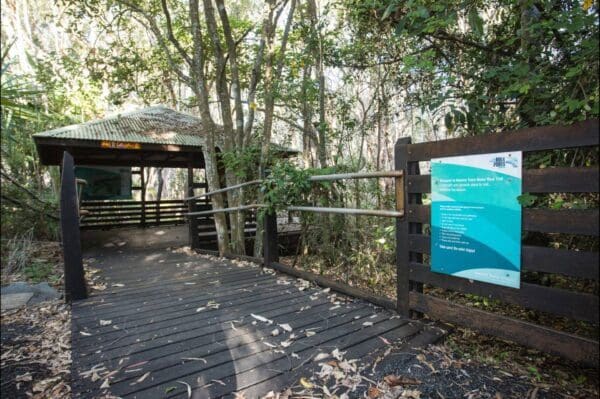

Where Coastal Dunes and Paperbark Wetlands Still Hold On
Overview
Slade Point Nature Reserve protects one of the last substantial pockets of coastal dunes and paperbark wetlands left in the Mackay region. It sits at Slade Point on Mackay’s northern coast, a little over 900 kilometres north of Brisbane, where low-lying wetlands, dune country and the nearby shoreline come together in a relatively compact area.
What makes this reserve feel different from many coastal reserves is that it is not just a strip beside the sea. The landscape shifts between freshwater wetlands, woodland, grassland and dune systems, giving the area a layered, close-up sense of coastal country rather than a single beach setting.
Highlights
The standout feature here is the mix of landforms packed into a small area. Slade Point is known for its coastal dunes and for the parabolic dune system along North Harbour Beach, a geomorphic feature considered distinctive to the local area. Around the reserve, the scenery changes quickly from sandy ground and open grassland to wetter paperbark country, with the coast and headland nearby adding to the sense of variety.
This is also a place where the natural character of the Mackay coast is still easy to read. Vegetated foredunes, wetland flats and the broader coastal setting around Slade Bay and North Harbour Beach give the reserve a quieter, more natural feel than the built-up foreshore nearby.
Best Time to Visit
The most comfortable months are usually the drier part of the year, when cooler temperatures and lower humidity make it easier to appreciate the reserve’s mix of wetland and dune country. In the warmer, wetter months the vegetation is often at its lushest, but conditions can feel heavier and the ground can be softer underfoot.
If you are mainly interested in the reserve’s scenery and vegetation patterns, any season can be rewarding because the contrast between paperbark wetlands, grassland and coastal dunes is part of the place year-round.
Plants and Animals
The reserve and surrounding Slade Point coast support a varied patchwork of vegetation, including paperbark woodland, coastal dune vegetation, mangrove and salt flat communities, freshwater wetlands, and patches of rainforest and woodland around rocky outcrops. Moreton Bay ash is one of the tree species recorded here, alongside weeping paperbarks and a range of coastal plants adapted to sand, salt and seasonal wet ground.
Animal life is tied closely to these habitats. Sandy beaches and healthy dune systems support shorebirds and marine turtles, while the estuarine edge nearby includes mangrove habitat important for juvenile fish. In the broader Slade Bay and McCreadys Creek area, seagrass meadows support dugongs and turtles, showing how closely the reserve connects with the surrounding coastal ecosystems.
Find more places to explore…
Help expand the trail collection!
Know of an official trail not listed on Trail Hiking Australia? I’m focused on showcasing the best tracks managed by land managers, and I’d love your help! Sharing a trail adds to our community and helps others discover safe, new adventures.
Submit your trail here

