Sorry, no records were found. Please adjust your search criteria and try again.
Sorry, unable to load the Maps API.
Explore stunning hiking trails of Ravensbourne National Park
Discover the diverse trails of Ravensbourne National Park, Queensland, offering hikes and walks for all skill levels and interests. Find your perfect adventure today.
Discover 3 hiking trails in Ravensbourne National Park


Rainforest Remnants on the Range
Overview
Ravensbourne National Park protects a small but striking remnant of the forests that once covered this part of the Great Dividing Range. It sits on a basalt-capped plateau above a sandstone ridge at the head of Buaraba Creek, with a landscape shaped by gullies, creek lines and the sudden drop of the range. Around 50km north of Brisbane? No. More usefully, it is about 32km north of Toowoomba and close to Hampton, which helps explain why it feels both elevated and distinctly cooler than the plains below.
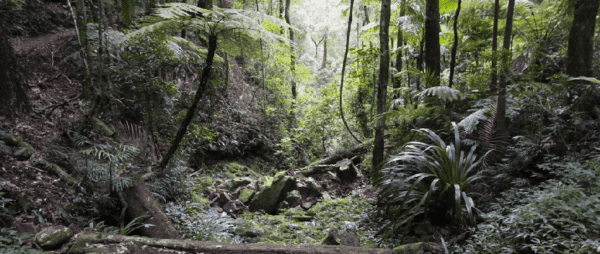
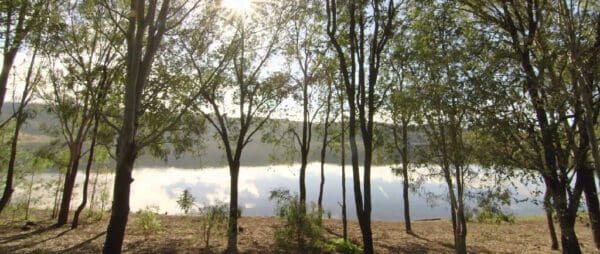
What gives Ravensbourne its character is contrast. On one side there are moist pockets of rainforest with palms, vines and ferny understorey. Elsewhere the soils become sandier and the vegetation shifts to open eucalypt forest. Even though the park is modest in size, that change in geology and vegetation gives it a lot of texture.
Highlights
The scenery here comes from the meeting of plateau, escarpment and forest. Ravensbourne is known for its towering trees, palm-filled gullies and the sense of relief where the range falls away toward the Lockyer Valley. Basalt over sandstone creates a landscape with sheltered, moister pockets as well as drier forested ground, so the park never feels visually one-note.
Another standout is the way remnant rainforest survives within an otherwise heavily cleared district. That contrast makes the darker, denser sections of the park feel especially distinctive, with piccabeen palms, elkhorns and vines under a tall canopy of blue gums, tallowwoods and rainforest species.
Best Time to Visit
Ravensbourne can be rewarding at any time of year, but the cooler months generally suit longer days outdoors, especially in a park where much of the appeal lies in walking through forest and spending time at lookouts. Summer brings the lushest feel to the gullies and creeks after rain, when the rainforest looks freshest and froglife is more active.
Because the park sits up on the range, conditions are often a little cooler and greener than lower country nearby. After wet periods the forested sections tend to feel at their richest, while clearer winter days are often best for broad views across the escarpment.
Plants and Animals
Despite its size, Ravensbourne supports a varied mix of plant communities. In the west and south-west, cool and sheltered rainforest areas carry piccabeen palms, vines, ferns and elkhorns beneath tall Sydney blue gums, tallowwoods and other rainforest trees. In the east, sandy soils support blackbutt, bloodwood and forest red gum with sheoaks and wattles.
The park is particularly well known for birdlife, with at least 113 bird species recorded. Fruit-eating birds such as pigeons, parrots, lorikeets and figbirds help move seed through the forest, while smaller insect-eaters work the bark and foliage. Frogs, reptiles and small mammals add to the variety, including pademelons in and around the rainforest and less commonly seen species such as rufous bettongs and long-nosed potoroos.
Culture and Heritage
For thousands of years, Aboriginal people used the Ravensbourne area as a place to camp, gather food and welcome people travelling through country on the way to bunya nut festivals in the Bunya Mountains. Evidence of an Aboriginal yam digging site remains within the park.
The park also carries a strong record of timber-cutting history. From the 1860s and 1870s, red cedar and other valuable timbers were heavily logged here, and Ravensbourne became known as Cedar Scrubs or The Cedars. Much of the surrounding scrub was later cleared for farming, which makes the surviving forest inside the park all the more significant. Ravensbourne National Park was first declared in 1922, beginning with 91ha before later expanding to its present area.
Find more places to explore…
Help expand the trail collection!
Know of an official trail not listed on Trail Hiking Australia? I’m focused on showcasing the best tracks managed by land managers, and I’d love your help! Sharing a trail adds to our community and helps others discover safe, new adventures.
Submit your trail here

