Sorry, no records were found. Please adjust your search criteria and try again.
Sorry, unable to load the Maps API.
Explore stunning hiking trails of Point Nepean National Park
Discover the diverse trails of Point Nepean National Park, Victoria, offering hikes and walks for all skill levels and interests. Find your perfect adventure today.
Discover 1 hiking trail in Point Nepean National Park
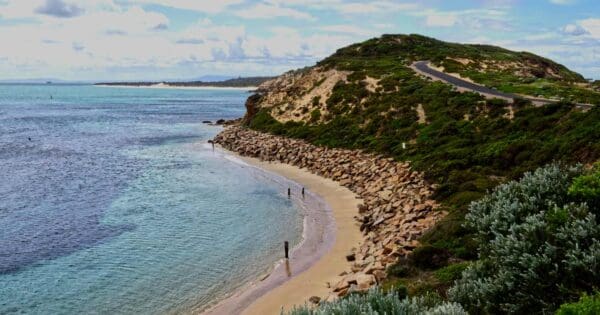

Where Bay Waters Meet the Ocean at Point Nepean
Overview
Point Nepean National Park occupies the very tip of the Mornington Peninsula, about 110 km south of Melbourne and just west of Portsea. It is a narrow strip of land between Port Phillip Bay and Bass Strait, which gives the park a very distinctive feel. You are never far from the water, and the sense of being out on the edge of the peninsula is part of what makes this place memorable.
The park brings together rugged coast, sheltered bay shoreline, dunes, cliffs and a landscape shaped by both natural processes and a long human history. It also adjoins Port Phillip Heads Marine National Park, so the land and sea feel closely connected here.
Highlights
The standout feature is the setting itself. Point Nepean forms the western end of the Mornington Peninsula, with broad views across Port Phillip Bay on one side and Bass Strait on the other. That contrast between calmer bay water and the more exposed southern coast gives the park much of its character.
Scenically, the landscape is defined by sandy beaches, calcarenite cliffs and undulating dune systems. The exposed Bass Strait side feels raw and open, while elevated points around the park look across the bay, the Heads and the surrounding coastline. Intertidal rock platforms along the southern shore add another layer to the scenery, especially where the coast feels more rugged and less modified.
Best Time to Visit
Spring and autumn are often the most comfortable times to enjoy Point Nepean. Spring brings milder weather and wildflowers, while autumn usually has cooler walking conditions after the height of summer.
Winter can be especially good for the coastal atmosphere, with a clearer sense of the meeting point between bay and ocean, and whale sightings are possible off the headland from April to October. The warmer months have their own appeal too, particularly when the light brings out the contrast between pale dunes, blue water and the old coastal vegetation.
Plants and Animals
Despite its compact size, the park protects a varied mix of coastal habitats. Older Coastal Moonah Woodland survives here, along with grassland habitats in the large dune bowls, and the vegetation cover across the point helps hold together an otherwise exposed coastal landscape.
The Bass Strait side is especially important for wildlife. Its beaches provide habitat for nesting, feeding and roosting birds, including Hooded Plovers, and the coast also supports migratory species. The intertidal rock platforms are notable for their ecological value, while the wider park includes a mix of dune, shoreline and woodland environments that support a broader range of coastal plants and animals.
Culture and Heritage
Point Nepean National Park is part of an Aboriginal cultural landscape in the traditional Country of the Bunurong People. The place has a much deeper history than its better-known military and quarantine sites suggest, with connections extending back thousands of years.
That long occupation is reflected in archaeological places across the point, including shell middens linked to the use of surrounding intertidal areas as a food source. Alongside this Aboriginal history, Point Nepean also carries layers of later heritage connected with quarantine, defence and military use, which remain a major part of how the landscape is understood today.
Find more places to explore…
Help expand the trail collection!
Know of an official trail not listed on Trail Hiking Australia? I’m focused on showcasing the best tracks managed by land managers, and I’d love your help! Sharing a trail adds to our community and helps others discover safe, new adventures.
Submit your trail here

