Sorry, no records were found. Please adjust your search criteria and try again.
Sorry, unable to load the Maps API.
Explore stunning hiking trails of Northern Victoria
Discover the diverse trails of Northern Victoria, Victoria, offering hikes and walks for all skill levels and interests. Find your perfect adventure today.
Discover 6 hiking trails in Northern Victoria


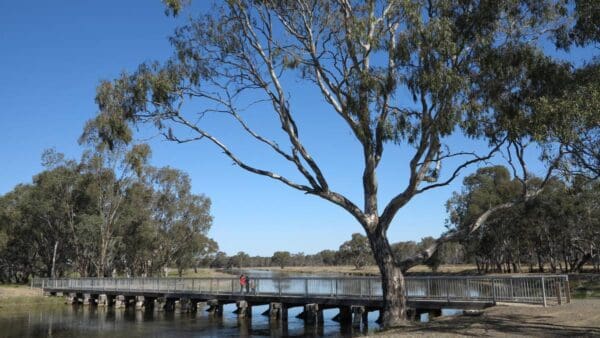

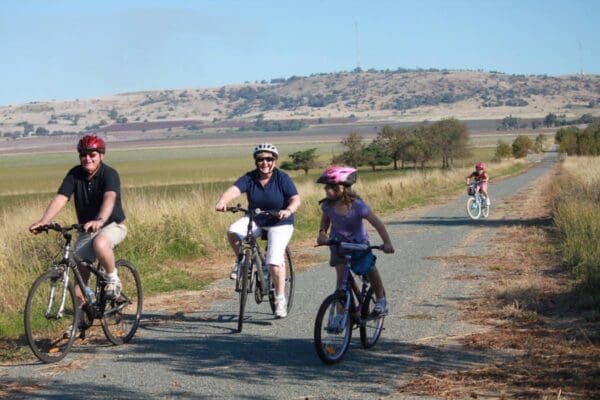
River Country and Box-Ironbark Forests Across Northern Victoria
Overview
Northern Victoria stretches across two very different landscapes that shape the region’s walking country. Along the Murray and its tributaries, broad floodplains, wetlands and red gum forests dominate. Further south and east, inland from the Great Divide, the country shifts into Box-Ironbark forest and woodland, with granitic hills in places such as Chiltern-Mt Pilot. Together, these landscapes give the region a mix of river flats, bird-rich wetlands, dry forest and low ranges rather than one single park character.
Much of this part of Victoria lies outside the alpine spine people often picture first. Instead, the sense of place comes from long river corridors, open plains, old eucalypt forest and scattered rocky rises. Around the Murray system in particular, the protected park network forms a long, fragmented band of reserves following the river and its floodplain.
Highlights
The standout scenery in northern Victoria comes from contrast. In the river country, huge River Red Gums frame billabongs, wetlands and backwaters that spread across the floodplain when conditions are right. Some of these wetland systems are internationally significant, including Barmah Forest, Gunbower Forest, the Kerang Wetlands and the Hattah-Kulkyne Lakes, which gives a sense of just how important the region’s water landscapes are.
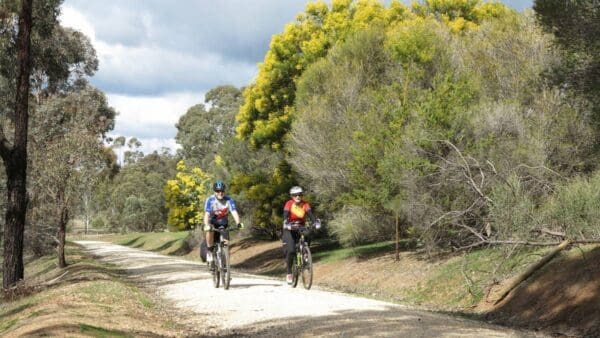
Further inland, the Box-Ironbark belt has a very different feel. These forests and woodlands run in a broad band across northern Victoria and are distinctive to this part of the state, with dry bush, rough-barked eucalypts and pockets of rocky country. In places such as Chiltern-Mt Pilot, that pattern is broken by granitic hills and ridgelines, adding more relief and a sharper sense of shape to the landscape.
Best Time to Visit
Spring is usually the most rewarding time to spend time in northern Victoria’s parks. In the Mallee and river country, it is a strong season for birdlife, while the forests around Bendigo and other Box-Ironbark areas are known for wattles and other wildflowers from August onward. Cooler months also tend to suit the drier inland forests and woodlands better than the peak heat of summer.
That said, timing makes a real difference in the Murray floodplain. Wet years can transform the red gum country and wetlands, while drier periods reveal a more open and dusty landscape. If you are drawn to birdlife and wetland scenery, the region is at its best when those floodplain systems are holding water.
Plants and Animals
Northern Victoria supports a notably wide spread of habitats, from riverine forest and permanent and ephemeral freshwater wetlands to saline wetlands, plains woodland, Box-Ironbark forest and semi-arid country. That variety is one of the reasons the region is so strong for wildlife, especially birds.
Wetland areas can support very large numbers of waterbirds when inundated, including migratory shorebirds. In the Box-Ironbark forests, habitat values often depend on features that take a long time to form, especially large old trees with hollows. Those trees are important for species such as Squirrel Glider, Powerful Owl, Brush-tailed Phascogale, Brown Treecreeper, Square-tailed Kite and Tree Goanna. Across the broader woodland parks, threatened birds and mammals remain a defining part of the region’s natural character.
Culture and Heritage
Northern Victoria’s river parks are part of a much older cultural landscape, with Aboriginal people connected to this country for tens of thousands of years. The floodplains, forests and wetlands along the Murray remain rich in cultural heritage, including both material places and non-material places tied to traditional stories, customary access and ongoing cultural connection to Country.
In the Box-Ironbark country, cultural layers sit alongside a strong historic landscape shaped by nineteenth-century mining and settlement. These forests contain some of Victoria’s most significant public-land gold mining landscapes and features, and that history still gives many northern Victorian parks a distinct sense of character.
Find more places to explore…
Help expand the trail collection!
Know of an official trail not listed on Trail Hiking Australia? I’m focused on showcasing the best tracks managed by land managers, and I’d love your help! Sharing a trail adds to our community and helps others discover safe, new adventures.
Submit your trail here

