Sorry, no records were found. Please adjust your search criteria and try again.
Sorry, unable to load the Maps API.
Explore stunning hiking trails of North Stradbroke Island
Discover the diverse trails of North Stradbroke Island, Queensland, offering hikes and walks for all skill levels and interests. Find your perfect adventure today.
Discover 2 hiking trails in North Stradbroke Island
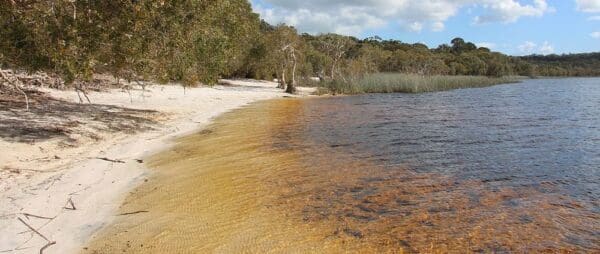

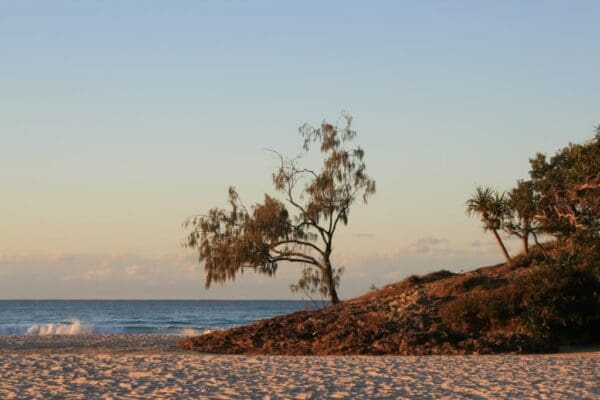

Rocky Headlands, Freshwater Lakes and the Long Sand Spine of Minjerribah
Overview
North Stradbroke Island, also known as Minjerribah, sits in Moreton Bay off the coast from Brisbane and is known for the contrast packed into one large sand island. Along the ocean side there are long surf beaches and wind-cut headlands, while the western side settles into calmer bay waters, wetlands and sheltered foreshores. It is the second largest sand island in the world, and that scale gives the landscape a breadth that feels very different from the mainland.
Across the island, dunes, lakes, swamps, heath, forest and woodland sit close together, creating a place with far more variety than many visitors expect. Parts of the island are protected within Naree Budjong Djara National Park, and the surrounding setting is closely tied to the wider ecosystems of Moreton Bay and its marine waters.
Highlights
The island’s scenic character comes from its mix of exposed rocky points and sweeping sand country. On the eastern side, the headlands break up long runs of white beach and give wide views over the Pacific, while inland there are freshwater lakes and broad wetland systems tucked behind the dunes. That combination of surf coast, perched freshwater and vegetated sand country gives Minjerribah its distinct look.
Just as striking is the quieter western edge, where tranquil bayside waters, mangroves and low-lying foreshores create a softer landscape. The shift from open ocean to sheltered bay is one of the things that makes the island feel so layered, even over relatively short distances.
Best Time to Visit
North Stradbroke Island can be rewarding at any time of year, but the milder months are often the most comfortable for walking, especially when the heat and humidity ease. The island’s headlands are also well known for seasonal whale watching, with humpback whales regularly seen from the rocky points during the migration period.
Conditions change with wind and weather more than with any single season, so the best time often comes down to whether you want calmer, cooler days for longer walks or warmer weather for beaches and lakes.
Plants and Animals
Minjerribah supports an unusually broad range of habitats for one island, including mangroves, wetlands, endangered heathlands, freshwater lakes, rainforest, old-growth forest and woodland. Its wetlands, foreshore swamps and interconnecting land also form part of the Moreton Bay Ramsar site, recognising their importance for biodiversity.
This range of habitats supports threatened and significant wildlife, including the Cooloola sedgefrog, black-necked stork, swift parrot and little tern, along with a genetically distinct koala population. In nearby waters, dugongs and grey nurse sharks feed and rest, and marine turtles, manta rays and humpback whales are regularly seen around the coast.
Culture and Heritage
Minjerribah is part of Quandamooka Country, and the Quandamooka People’s connection with the island reaches back thousands of years. Native title has been recognised over land and waters on and surrounding North Stradbroke Island, and cultural sites across the island reflect countless generations of use, knowledge and connection.
Some places carry particular cultural importance, including Kaboora, the deep freshwater lake also known as Blue Lake, as well as Eighteen Mile Swamp, midden and bora ring sites, and Moongalba and its springs. The island also preserves archaeological evidence of some of the earliest human habitation in South East Queensland.
Find more places to explore…
Help expand the trail collection!
Know of an official trail not listed on Trail Hiking Australia? I’m focused on showcasing the best tracks managed by land managers, and I’d love your help! Sharing a trail adds to our community and helps others discover safe, new adventures.
Submit your trail here

