Cliffs, Surf Beaches and the Wild Edge of the Fleurieu
Overview
Newland Head Conservation Park sits on the southern coast of the Fleurieu Peninsula, near Victor Harbor and about 91 kilometres south of Adelaide. It protects a striking stretch of coastline where long surf beaches meet rolling dunes, exposed headlands and coastal heath, giving the park a distinctly open, wind-shaped character.
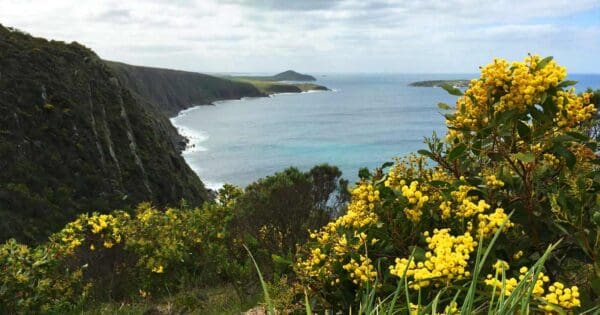
This is a place defined by the meeting of land and sea. Waitpinga and Parsons beaches, the Waitpinga Cliffs and the country around Newland Head give the park its sense of scale, while views extend across Waitpinga Creek, Encounter Marine Park, the Pages in Backstairs Passage and, on clear days, Kangaroo Island.
Highlights
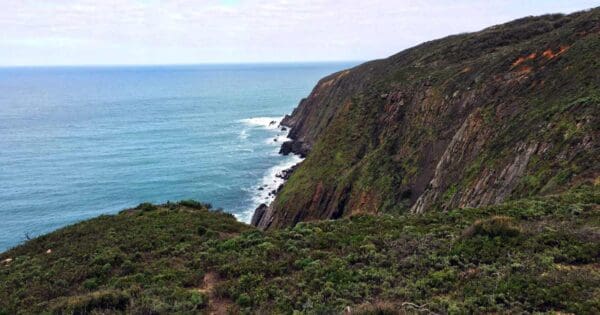
The big draw here is the scenery. Two long beaches run beneath steep coastal slopes, and the cliffs around Waitpinga create one of the most dramatic sections of coast on the Fleurieu. The combination of pale sand, dark rock and constantly moving Southern Ocean swell gives the whole park a raw, exposed feel.
Newland Head and Parsons Headland add another layer to that scenery, with broad coastal outlooks rather than enclosed bushland views. The dunes are just as much a part of the landscape as the beaches and cliffs, softening the edges of the headlands and giving the coast a rolling, sculpted look.
Best Time to Visit
Newland Head works well through much of the year, but the cooler months are often the most comfortable for walking and spending time on the exposed coast. Winter and spring usually bring greener country and a fresher look across the heath and dunes, while the sea remains a constant part of the experience in any season.
On fine, clear days the long-distance views are a real strength of the park. Summer can still be rewarding, especially when coastal breezes take the edge off the heat, but this is a place where the weather shapes the mood more than the calendar does.
Plants and Animals
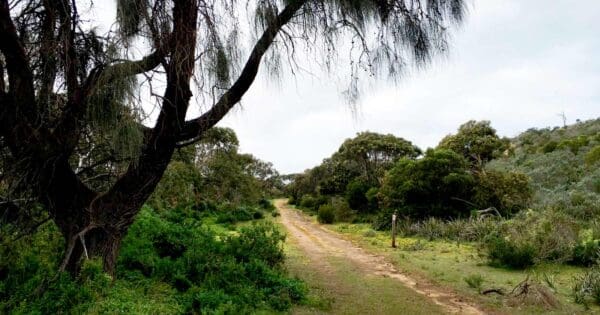
The park protects coastal mallee heath as well as dune and cliff-top habitats, which is a big part of what makes it feel different from the more sheltered inland parts of the peninsula. Those plant communities are adapted to salt, wind and sandy soils, and they help hold together a landscape that is naturally mobile and exposed.
Birdlife is one of the better-known features of the park, and the beaches and coast also support species such as the hooded plover. The management plan also highlights the park’s native plants and animals as core conservation values, and even the cover material for the plan points to the mix found here, including species such as the eastern bearded dragon and Osborn’s eyebright.