Where Bushland Meets the Wild Bass Strait Coast
Overview
Mornington Peninsula National Park stretches along the southern edge of the peninsula about 70 kilometres south of Melbourne, linking long sections of ocean coast with the inland bush of Greens Bush. Rather than being one single block of country, it is a chain of coastal and bushland areas running from Point Nepean to Bushrangers Bay, then inland through the Main Creek valley, with another coastal section near Flinders.
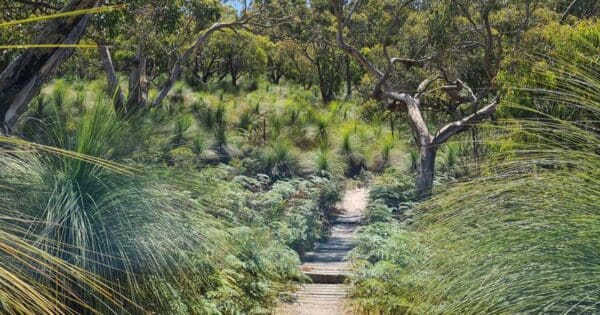
What makes this park stand out is that mix of surf coast and remnant bushland in a part of Victoria that is otherwise heavily settled and farmed. Greens Bush holds the largest remaining fragment of native bushland on the Mornington Peninsula, while the coast shows a very different side of the park, with cliffs, dunes, reefs and broad ocean beaches facing Bass Strait.
Highlights
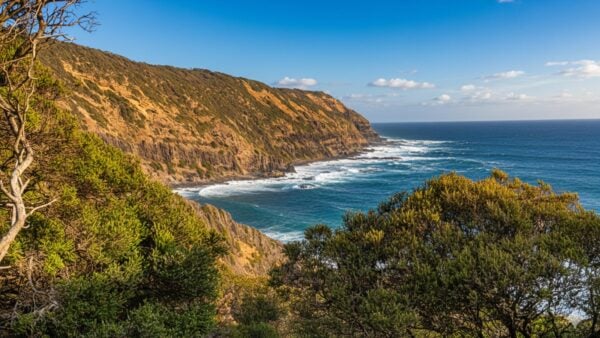
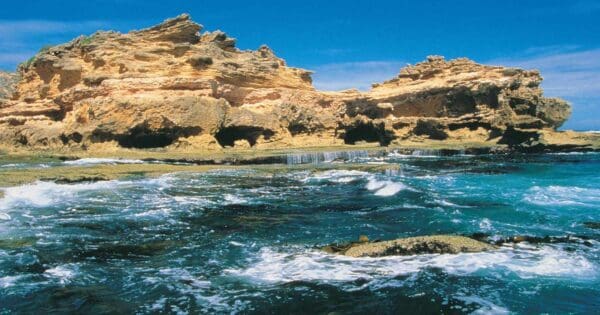
The scenery here is defined by contrast. Along the coast, wide sandy beaches are broken up by headlands, shore platforms and nearshore reefs, with long runs of calcarenite cliffs between Point Nepean and Gunnamatta and older volcanic basalt around Fingal, Cape Schanck and Flinders. That gives the park a coastline that feels varied from one section to the next, even though the ocean is the constant thread.
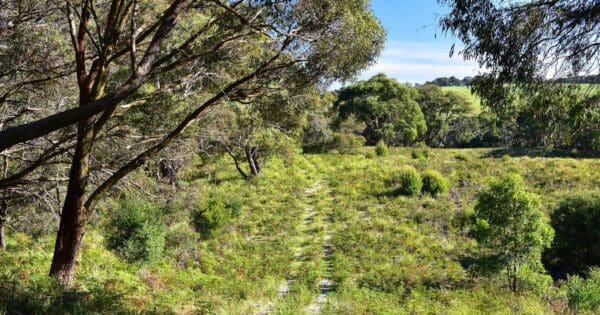
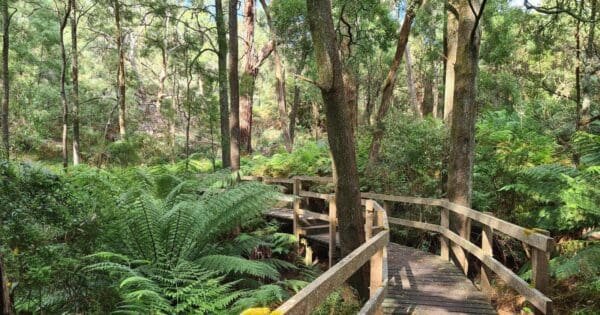
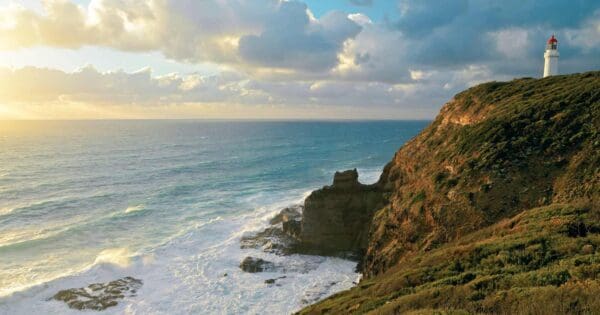
Cape Schanck is one of the most distinctive parts of the park, where dark basalt cliffs meet the lighter dune limestone of the surrounding coast. Elsewhere, the scenery shifts again to rugged eroded dune country around Diamond Bay and to striking coastal formations such as London Bridge. Inland, Greens Bush changes the mood completely, replacing exposed sea views with quieter forest and heathland country connected by the Main Creek valley.
Best Time to Visit
There is no single season that defines Mornington Peninsula National Park. Summer brings the classic surf-coast atmosphere, but autumn is often a particularly good time for walking, with milder temperatures after the busiest holiday period. Spring also suits walkers well, especially when coastal wildflowers add colour to the headlands and bushland edges.
Winter has its own appeal if you like dramatic sea conditions and a quieter feel along the coast. The park works best when you match the season to the kind of landscape you want to spend time in, whether that is open ocean scenery or the more sheltered bushland around Greens Bush.
Plants and Animals
This park protects an impressive spread of vegetation communities for such a developed part of Victoria. Coastal dune scrub, coast banksia woodland, sand heathland, coastal heathland, riparian forest and swamp sedgeland all occur here, with several of these communities now much reduced elsewhere on the peninsula.
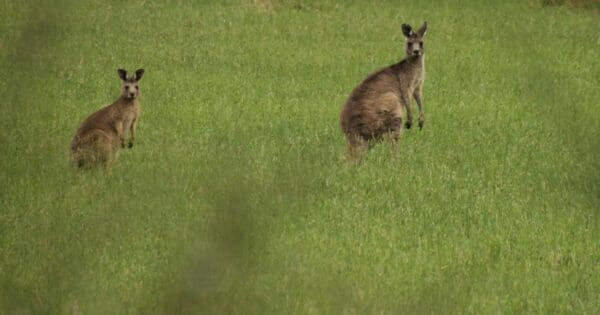
Greens Bush is especially important for wildlife. It supports the largest population of eastern grey kangaroos on the Mornington Peninsula, and the park also provides habitat for regionally significant fauna including koalas, southern brown bandicoots, black wallabies, wedge-tailed eagles and peregrine falcons. Along the coast, the intertidal zone adds another layer again, with rock platforms and reefs supporting marine life that is part of the park’s broader ecological character.
Culture and Heritage
Mornington Peninsula National Park forms part of an Aboriginal cultural landscape in the traditional Country of the Bunurong People, with a continuing connection between Bunurong Traditional Owners and these lands and waters.