Sorry, no records were found. Please adjust your search criteria and try again.
Sorry, unable to load the Maps API.
Explore stunning hiking trails of Millstream Chichester National Park
Discover the diverse trails of Millstream Chichester National Park, Western Australia, offering hikes and walks for all skill levels and interests. Find your perfect adventure today.
Discover 1 hiking trail in Millstream Chichester National Park
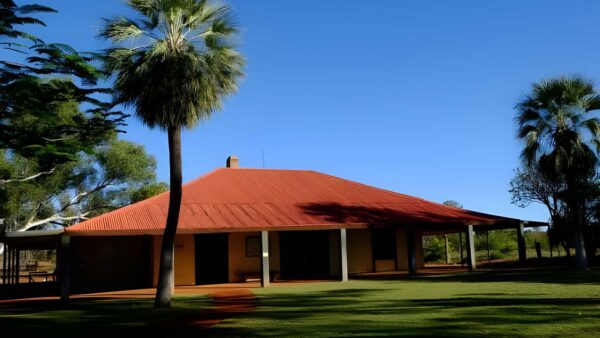

Where Spring-Fed Pools Meet the Pilbara Plains
Overview
Millstream Chichester National Park sits in the Pilbara about 150 kilometres south of Karratha, protecting one of the most distinctive inland water landscapes in north-western Australia. What sets this place apart is the contrast between dry ranges and plains on one hand, and the Millstream wetland system on the other, where groundwater from the Millstream aquifer feeds permanent pools, springs, channels and riparian vegetation along the Fortescue River.
The Millstream wetlands extend for about 20 kilometres along the Fortescue River and its tributaries. Within that system are four major permanent pools, smaller spring-fed pools and broad wetland and riparian areas that create a much greener strip through an otherwise semi-arid setting. The area is also recognised as an important wetland and an isolated refuge for wetland plants and animals in the Pilbara.
Highlights
The park’s most memorable scenery comes from the meeting of water and red country. Around Millstream, clear spring-fed pools and shady creek lines sit within a landscape of rocky country, open plains and broad river flats. The wetland system is the visual centrepiece, with permanent water sustaining channels, pools and dense fringing vegetation that feel strikingly out of place in the surrounding Pilbara.
There is also a strong sense of contrast across the park as you move between the wetter Millstream area and the drier country beyond it. Open hummock grasslands, river flats and groundwater-fed wetlands create very different textures in a relatively compact area, which is a big part of what makes the landscape so distinctive.
Best Time to Visit
The cooler months are generally the most comfortable time to be here. From June to August the wildflowers appear across the plains, and cooler conditions make it easier to appreciate the contrast between the red country and the green wetland corridors.
At any time of year, the park is most interesting when you come expecting that contrast between arid Pilbara landforms and the permanent water of the Millstream system, rather than a single uniform landscape.
Plants and Animals
Millstream is especially important for species that depend on permanent water. The wetlands support nine of the 10 freshwater fish species recorded for the Fortescue River, and those long-lasting pools act as refuge habitat when flows elsewhere in the river system contract. The wetlands also support 146 bird species, including 38 waterbirds, many of them uncommon in inland parts of the Pilbara.
The vegetation is unusually rich for this part of the Pilbara, with at least 125 taxa of vascular flora from 39 families recorded in the area and 12 vegetation communities considered groundwater dependent. One of the best known plants is the Millstream palm, which is widespread around Millstream but otherwise has a very restricted distribution. Riparian and wetland areas also support melaleuca and eucalypt communities sustained by shallow groundwater and spring flow.
Among the more notable animals are species tied closely to the permanent pools, including the Pilbara olive python and flat-shelled turtle. These wetland and riparian habitats are a big reason the park stands out ecologically within the wider Pilbara.
Culture and Heritage
Millstream Chichester National Park has strong cultural significance for both the Ngarluma and Yindjibarndi people. The Millstream area is recognised as one of the most significant Aboriginal places in Western Australia, and its springs, pools and waterways remain closely connected to cultural knowledge and caring for Country.
That continuing connection is reflected in the way the park is understood today, not simply as a scenic wetland in the Pilbara, but as a place where water, landscape and cultural history are deeply bound together.
Find more places to explore…
Help expand the trail collection!
Know of an official trail not listed on Trail Hiking Australia? I’m focused on showcasing the best tracks managed by land managers, and I’d love your help! Sharing a trail adds to our community and helps others discover safe, new adventures.
Submit your trail here

