Sorry, no records were found. Please adjust your search criteria and try again.
Sorry, unable to load the Maps API.
Explore stunning hiking trails of Mandurah
Discover the diverse trails of Mandurah, Western Australia, offering hikes and walks for all skill levels and interests. Find your perfect adventure today.
Discover 1 hiking trail in Mandurah
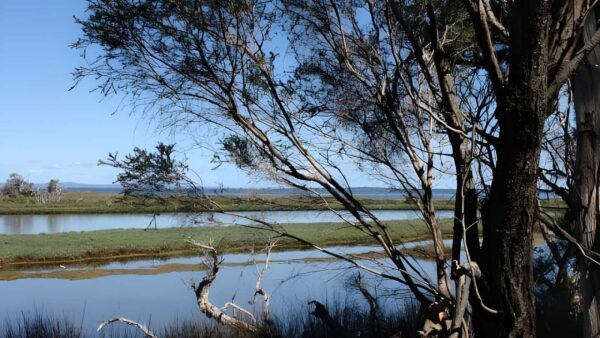

Estuary Country and Coastal Bushland Around Mandurah
Overview
Mandurah sits where the coast, estuary and low-lying bushland all meet, which gives the area a very different feel from an inland parkland setting. Wetlands, estuarine edges, coastal dunes and patches of native bush are all part of the local landscape, often within a short distance of each other. About an hour south of Perth, it is a place shaped as much by water as by land.
The natural character here is tied closely to the Peel-Harvey Estuary and a network of waterways, beaches and foreshores. Across the wider Mandurah area, these environments are supported by large areas of natural habitat, including wetlands, estuarine areas, coastal landscapes and bushland reserves managed for conservation and restoration.
Highlights
What stands out most in Mandurah is the meeting point between broad estuarine water, sandy coast and remnant bushland. The Peel-Harvey Estuary gives the area its open, light-filled character, while the coast adds long dune-backed beaches and exposed shoreline. Around the edges, wetlands and vegetated foreshores soften the transition between suburb and water.
There is also a strong sense of contrast from one part of Mandurah to the next. Some areas feel open and windswept beside the coast, while others are quieter and more enclosed around paperbark-lined wetlands, bush reserves and sheltered estuary inlets.
Best Time to Visit
The cooler months from autumn to spring are usually the most comfortable time to walk in Mandurah’s natural areas. At that time of year, milder temperatures make longer outings more pleasant, and the bushland and wetland edges generally feel greener than they do through the hotter part of summer.
Spring is especially rewarding if you enjoy birdlife and seasonal change in the vegetation, while winter and early spring often bring the fullest wetland and estuary atmosphere. Summer still suits shorter walks near the coast, where sea breezes can take the edge off the heat.
Plants and Animals
Mandurah’s mix of bushland, wetlands, estuary and coast supports a wide range of native wildlife. The estuary alone supports more than 30,000 migratory and resident waterbirds each year, and the wider area includes internationally significant shorebird habitat along the coastline and wetland margins.
In the bushland reserves, habitat remains important for threatened black cockatoos, including Carnaby’s cockatoos and forest red-tailed black cockatoos, with Baudin’s cockatoo recorded occasionally. Kangaroos are also a familiar presence around bushland and wetland edges, and dolphins are a well-known part of Mandurah’s waterways.
Plant communities change with the setting. Coastal sections are shaped by dune and foreshore vegetation, while inland pockets include wetland plants and native bushland that help hold habitat together across the wider urban area.
Find more places to explore…
Help expand the trail collection!
Know of an official trail not listed on Trail Hiking Australia? I’m focused on showcasing the best tracks managed by land managers, and I’d love your help! Sharing a trail adds to our community and helps others discover safe, new adventures.
Submit your trail here

