Sorry, no records were found. Please adjust your search criteria and try again.
Sorry, unable to load the Maps API.
Explore stunning hiking trails of Lysterfield Park
Discover the diverse trails of Lysterfield Park, Victoria, offering hikes and walks for all skill levels and interests. Find your perfect adventure today.
Discover 3 hiking trails in Lysterfield Park


Granite Hills and Wetlands on Melbourne’s South-Eastern Edge
Overview
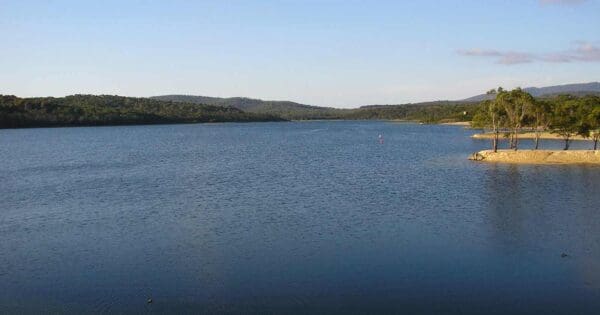
Lysterfield Park sits on the southern foothills of the Dandenong Ranges, about 35 kilometres south-east of central Melbourne. Covering 1,397 hectares, it is one of the larger protected green spaces in this part of the city and forms an important link between the Dandenong Creek Valley and the ranges beyond. The park grew from the former Lysterfield Reservoir catchment, with the lake still giving the area much of its character.
What makes the place feel distinctive is the mix of open water, forested slopes and higher rocky ground. Even though suburbia presses in around the edges, the park still reads as a broad sweep of bush and lake country, with enough space for mature forest, wetland habitat and long views back across Melbourne.
Highlights
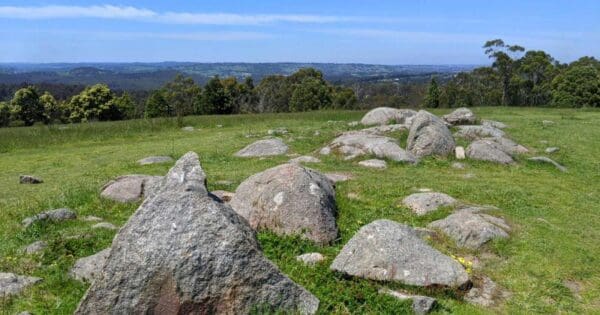
The scenery here changes more than you might expect so close to the city. Around Lysterfield Lake, the landscape opens out into broad water and wetland edges, while the higher parts of the park shift into rocky knolls and exposed granite. Those elevated points give the park some of its strongest views, looking across the surrounding suburbs, towards the Dandenong Ranges and, in places, back towards Melbourne.
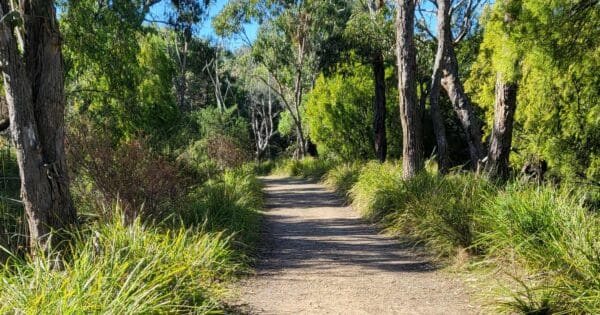
There is also a strong sense of contrast between the sheltered gullies and the more open hillsides. That combination of lake, bushland and granite outcrops gives Lysterfield Park a character that feels both suburban and surprisingly expansive.
Best Time to Visit
Autumn and spring are usually the most rewarding times to spend time in Lysterfield Park. The cooler weather suits longer walks, the bush is generally at its most comfortable, and the lake and wetland areas tend to feel lively without the harsher heat of summer. Spring is especially good for seeing the park when fresh growth and bird activity pick up again.
Winter can also be a good season if you like quieter bush settings and don’t mind cooler conditions. In summer, the open sections around the lake and on the higher slopes can feel much more exposed, so the park often feels at its best in the milder months.
Plants and Animals
Lysterfield Park protects a significant area of relatively undisturbed open forest with large mature trees, along with wetter habitats around the lake. The vegetation includes damp sclerophyll forest, and the variety of habitats across the park supports a broad spread of wildlife.
The lake environs are particularly important for waterbirds, providing feeding, breeding and refuge habitat for at least 26 species. These include Latham’s Snipe as well as birds such as the Darter, Little Egret, Pied Cormorant and Great Crested Grebe. Away from the water, the park is also known for its large population of Eastern Grey Kangaroos, which are one of the animals people are most likely to notice in the more open parts of the bush.
Culture and Heritage
Lysterfield Park lies within Country connected with both the Woiworung and Bunurong peoples, and official park planning recognises Aboriginal sites and places within the park area. The park also holds visible reminders of more recent land use, including disused aqueducts from the period when Lysterfield Lake was part of Melbourne’s water supply, along with ruins of old homesteads, dairies and quarries.
Find more places to explore…
Help expand the trail collection!
Know of an official trail not listed on Trail Hiking Australia? I’m focused on showcasing the best tracks managed by land managers, and I’d love your help! Sharing a trail adds to our community and helps others discover safe, new adventures.
Submit your trail here

