Where Forested Ridges Meet the Long Shores of Lake Eildon
Overview
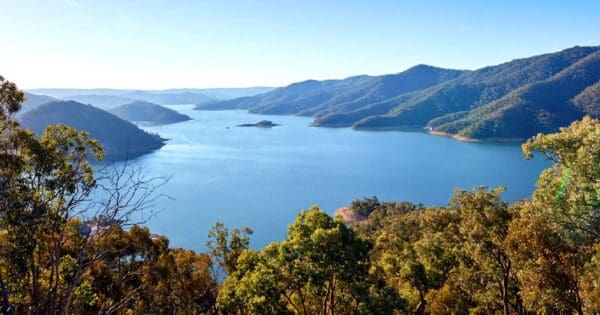
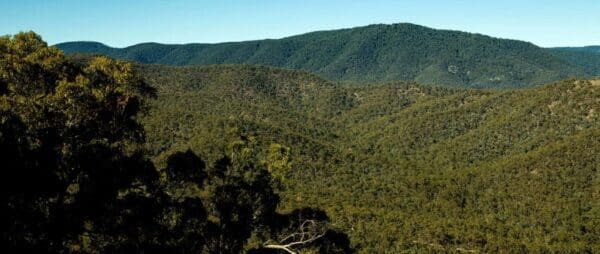
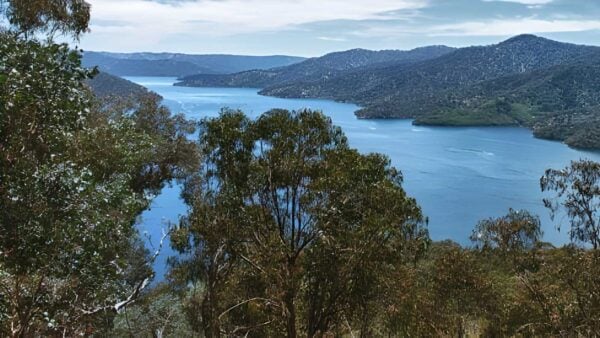
Lake Eildon National Park sits in the northern foothills of Victoria’s Central Highlands, around 150 km north-east of Melbourne, wrapping around parts of the lake with a mix of rugged ridges, steep slopes, open woodland and denser forest. Covering 27,750 hectares, it protects a large stretch of country where the shape of the land and the presence of the water are closely tied, giving the park a character that feels both inland and distinctly lakeside.
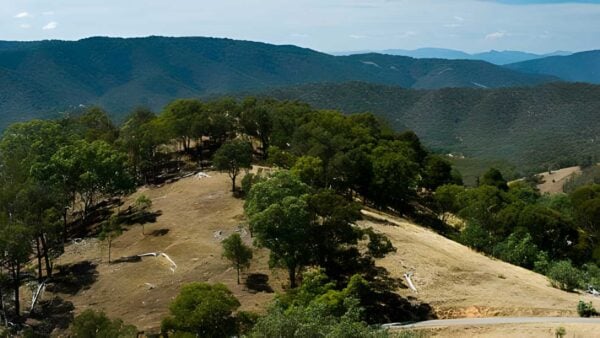
The park was formed from the former Fraser National Park and Eildon State Park, and that combined landscape still explains its varied feel today. Some areas are more open and semi-cleared, while others are more heavily forested and remote, especially away from the busier lake edges.
Highlights
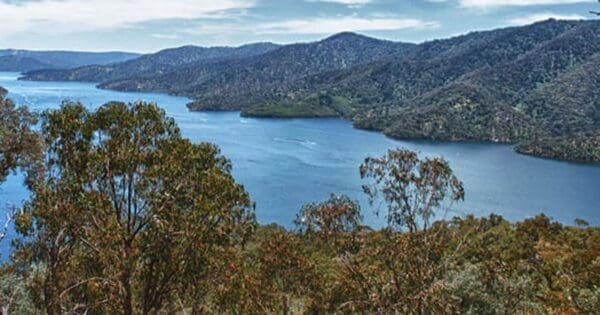
The defining feature here is the meeting of steep, forested hills with the broad inlets and shorelines of Lake Eildon. Across the park, open country, woodland and rugged ridgelines create long views over the water and across to the Alps, giving the landscape a strong sense of scale without feeling harsh or exposed.
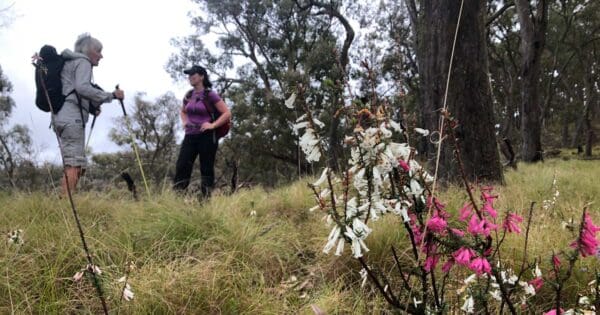
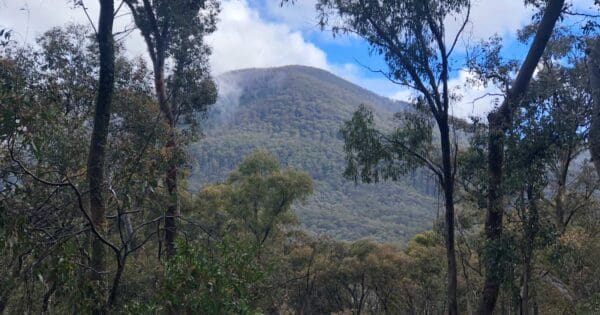
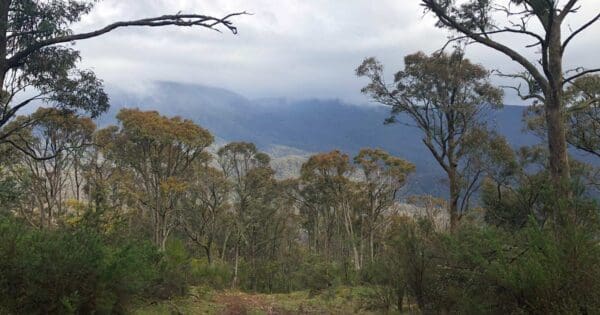
That contrast is part of what makes the place memorable. One moment the country feels dry and grassy, the next it closes in with foothill forest, and then it opens again to wide lake views. The result is a park with a lot of visual variety packed into one area.
Best Time to Visit
Lake Eildon National Park changes with the seasons more than it first appears. Warmer months tend to suit people who enjoy the bright, open look of the lake margins and surrounding hills, while the cooler months bring softer light, greener forested slopes and a quieter feel across the park.
Autumn and spring are often the most comfortable times to spend longer outdoors here, with milder temperatures and a good balance between the park’s wooded country and its open shoreline scenery.
Plants and Animals
This park is an important conservation area for remnant box woodland and foothill forest, vegetation communities that are not especially well reserved elsewhere in the state. That mix of open woodland, damp forest and montane dry woodland helps support a broader spread of wildlife than you might expect from a park built around a large lake.
Among the more significant species recorded here are the Spotted Tree Frog, Brush-tailed Phascogale, Powerful Owl, Sooty Owl, Mountain Galaxias and several bat species. Kangaroos, wombats and a wide range of birdlife are also part of the everyday character of the park, especially around the more open country and lake fringes.
Culture and Heritage
Lake Eildon National Park has a direct and ongoing connection with Taungurung Traditional Owners, whose relationship with this Country continues today.
The park also contains a strong layer of more recent history. Parts of it were shaped by gold-mining, pastoral use, and the creation of Lake Eildon itself, which transformed older valley landscapes and left a lasting mark on how the area is understood.