Sorry, no records were found. Please adjust your search criteria and try again.
Sorry, unable to load the Maps API.
Explore stunning hiking trails of Lake Broadwater Conservation Park
Discover the diverse trails of Lake Broadwater Conservation Park, Queensland, offering hikes and walks for all skill levels and interests. Find your perfect adventure today.
Discover 1 hiking trail in Lake Broadwater Conservation Park
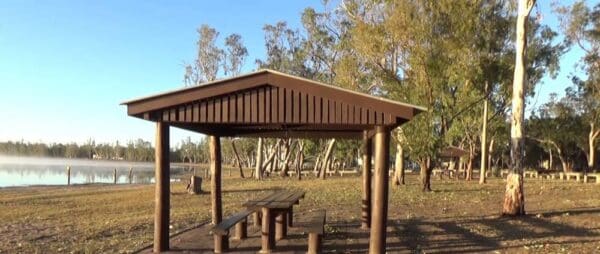

Queensland’s rare inland freshwater lake on the Darling Downs
Overview
Lake Broadwater Conservation Park protects a rare kind of landscape for the Darling Downs: a large, naturally occurring freshwater lake set within open woodland and wetland country. About 30km south-west of Dalby, the park covers a little over 1,200ha, with the lake itself forming the centrepiece when seasonal rains fill it. This is a semi-permanent inland lake rather than a constant body of water, so its character can shift markedly from one period to the next.
That changing water cycle is part of what makes the place distinctive. In a heavily cleared agricultural district, the park keeps a substantial patch of wetland and native vegetation together in one protected area, giving a strong sense of how different this part of southern inland Queensland once looked.
Highlights
The standout feature here is the lake itself, a broad shallow basin that can spread across roughly 350ha when full. Surrounded by cypress pine, eucalypt and brigalow woodland, it creates an unusually open inland scene, with wide water, low shoreline vegetation and a big sky feel that is quite different from the forested parks many people picture when they think of Queensland.
Just as striking is the contrast between wetland and dry country. Around the lake edge, the scenery shifts from open water and mudflats to woodland and remnant inland plant communities, so the park feels varied without being dramatic in a mountainous sense. Its appeal is in the breadth of the landscape and the quiet, changeable nature of the lake.
Best Time to Visit
Lake Broadwater is at its most memorable after good rain, when water levels rise and the wetland character really takes shape. At those times the lake is fuller, the contrast between open water and woodland is strongest, and birdlife is generally more noticeable.
Because this is a semi-permanent lake that can dry out for long periods, there is no single fixed season that guarantees the same experience every year. Timing matters more than the calendar, so the best visits are usually when recent seasonal conditions have left water in the basin.
Plants and Animals
This park is especially important for birdlife. More than 230 bird species have been recorded here, with the mix of wetland habitat and drier inland vegetation supporting everything from waterfowl to species more typical of the surrounding woodland. The lake also serves as a breeding area for waterbirds, including migratory species.
The plant life is unusually rich for a park of this size, with around 450 species identified. Much of that diversity comes from the meeting of different habitat types, and from the survival of vegetation communities that were once widespread across the Western Downs but are now far less common because of agricultural clearing. Mammals, reptiles, frogs, fish and invertebrates all add to the park’s ecological variety.
Find more places to explore…
Help expand the trail collection!
Know of an official trail not listed on Trail Hiking Australia? I’m focused on showcasing the best tracks managed by land managers, and I’d love your help! Sharing a trail adds to our community and helps others discover safe, new adventures.
Submit your trail here

