Sorry, no records were found. Please adjust your search criteria and try again.
Sorry, unable to load the Maps API.
Explore stunning hiking trails of Kuitpo Forest Reserve
Discover the diverse trails of Kuitpo Forest Reserve, South Australia, offering hikes and walks for all skill levels and interests. Find your perfect adventure today.
Discover 5 hiking trails in Kuitpo Forest Reserve

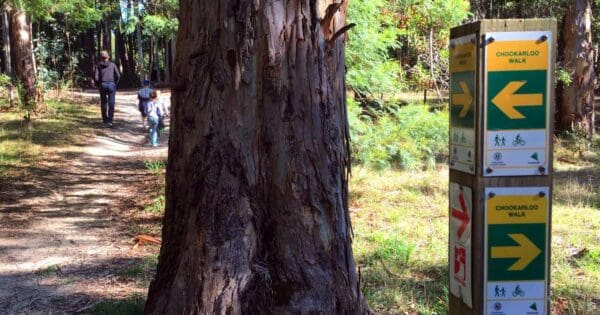

South Australia’s first great plantation landscape
Overview
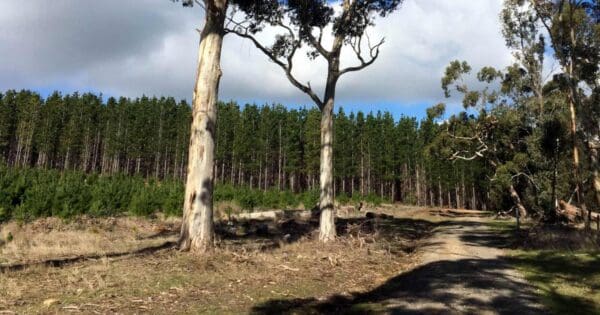
Kuitpo Forest Reserve sits in the southern Mount Lofty Ranges near Meadows, roughly an hour south of Adelaide. Established in 1898, it was the first of a series of forest plantations created in the region to secure a long-term timber resource for South Australia. Today the reserve covers about 3,600 hectares, with plantation forest forming much of the landscape and substantial areas of native vegetation protected alongside it.
What gives Kuitpo its particular character is that it is not simply a pine forest and not simply a conservation reserve. It is a working forest shaped by more than a century of forestry, but it also includes important native bushland and broad areas valued for recreation and quiet time outdoors. That mix gives the reserve a look and feel unlike most of South Australia’s parklands.
Highlights
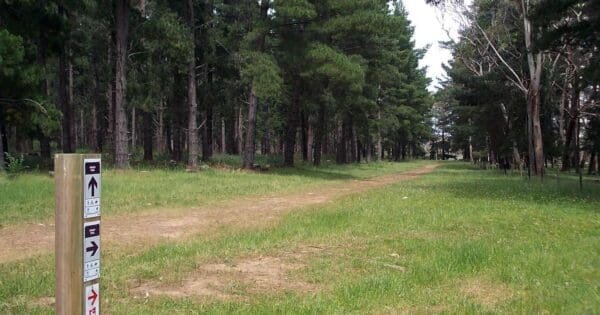
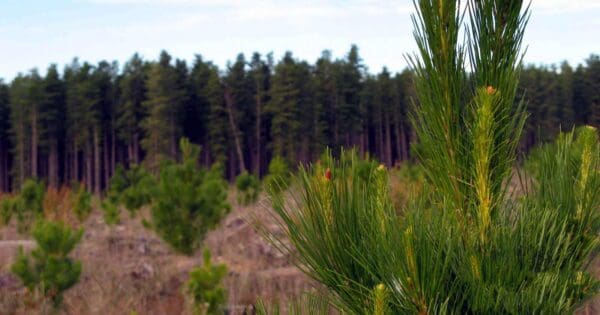
Kuitpo is defined by long avenues of radiata pine, sheltering stands of older plantings and a rolling forested setting that feels unexpectedly cool and enclosed compared with the open farmland around it. The broader reserve lies in the Mount Lofty Ranges, so the scenery shifts between dense plantation blocks, patches of native bush and gentle rises that create a strong sense of depth through the landscape.
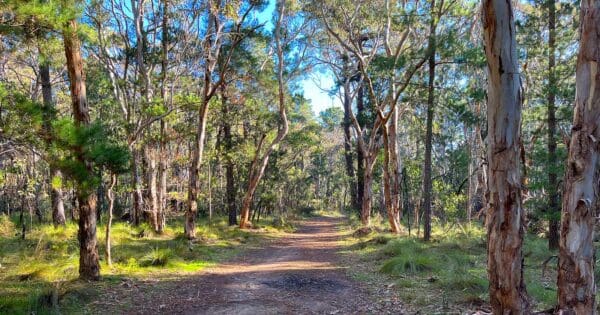
One of the most distinctive parts of the reserve is the contrast between carefully ordered forestry plantings and pockets of remnant vegetation. That meeting of planted forest and native bush gives Kuitpo much of its visual appeal, especially where the reserve opens into clearings or edges into its conservation areas.
Best Time to Visit
Kuitpo is pleasant through much of the year, but the cooler months from autumn to spring are when the forest tends to feel at its best for walking. Winter and spring bring greener understorey growth and the clearest chance to notice wildflowers in the native vegetation, while the taller pines give the reserve a sheltered feel in cooler weather.
Spring is especially rewarding if you are interested in seasonal colour, as many of the forest’s native lilies, wattles and other flowering plants are at their most noticeable then. Summer can still be appealing for the deep shade and the distinctive resin scent of the pines, but the reserve’s character is generally softer and more vivid outside the hottest months.
Plants and Animals
Although Kuitpo is best known for plantation forestry, it also contains 655 hectares of native vegetation, including three gazetted Native Forest Reserves covering 469 hectares. These native areas support a rich mix of trees, shrubs and groundcovers, and they provide habitat for birds, reptiles and mammals.
The native flora recorded for Kuitpo and nearby Mount Crawford includes species such as golden wattle, silver banksia, beaked hakea, common vanilla-lily, bulbine-lily, milkmaids and blue grass-lily. The reserve is also linked with conservation work for threatened species, including the southern brown bandicoot and the blue-top sun-orchid, showing that its value goes well beyond its plantation history.
Culture and Heritage
Kuitpo Forest Reserve is on Kaurna and Peramangk Country. Its more recent heritage is closely tied to the beginnings of plantation forestry in South Australia, with the forest established in 1898 as an early effort to create a sustainable local timber supply.
Some of the reserve’s early silvicultural plantings are recognised in the South Australian Heritage Register. These old plantation reserves are valued as evidence of the experimental stage of forestry in the Adelaide Hills and as part of the story of how the state’s timber industry developed.
Find more places to explore…
Help expand the trail collection!
Know of an official trail not listed on Trail Hiking Australia? I’m focused on showcasing the best tracks managed by land managers, and I’d love your help! Sharing a trail adds to our community and helps others discover safe, new adventures.
Submit your trail here

