Granite Headlands and Topaz Shores at Killiecrankie
Overview
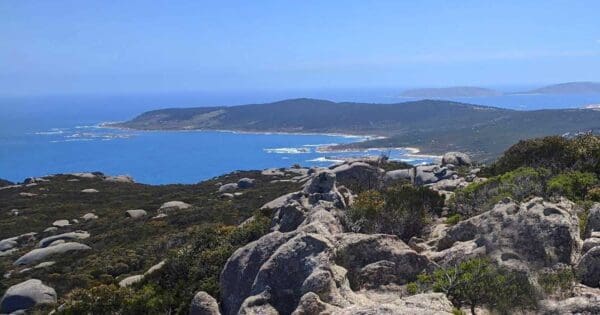
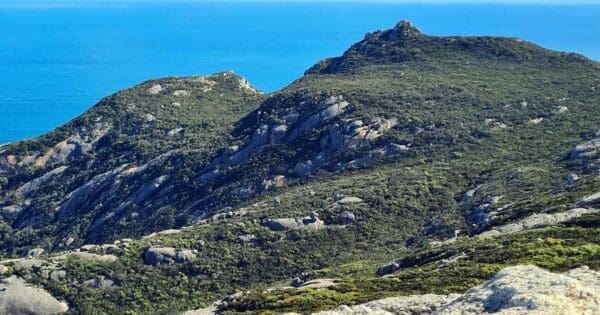
Killiecrankie Nature Recreation Area sits on the north-west coast of Flinders Island, in a part of Tasmania known for broad beaches, granite hills and open coastal scenery. The reserve protects a stretch of shore backed by dunes and rocky slopes, with Mount Killiecrankie rising close to the coast and giving the whole area a strong, rugged shape.
This is a place where the landscape feels very much tied to the island’s geology. Granite outcrops, pale sand, low coastal vegetation and weathered headlands all meet in a relatively compact area, so even short walks give a good sense of Flinders Island’s distinctive character.
Highlights
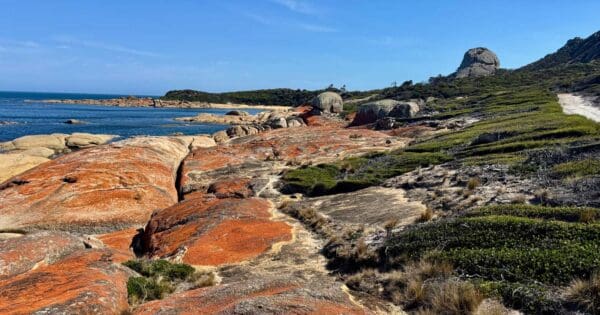
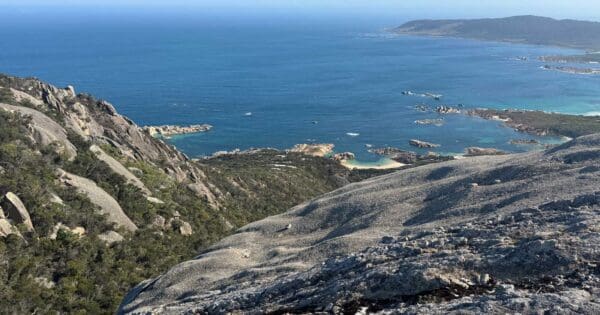
The standout feature here is the meeting of white sand and granite. Around Killiecrankie Bay, rounded boulders and rocky points frame the beach, while nearby slopes and cliffs show the same granite body extending through Mount Killiecrankie, Mount Tanner and the surrounding ranges.
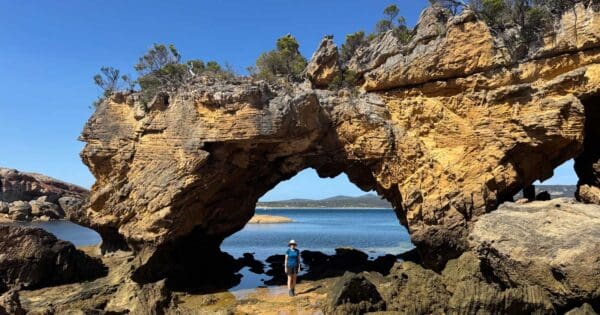
The coast also has a surprisingly layered look. Along the beach and towards Stackys Bight, there are foredunes, older calcarenite dune deposits and rock platforms that reveal a long history of shifting sea levels, windblown sand and coastal erosion. That mix of hard granite and softer dune limestone gives the shoreline much of its visual variety.
Best Time to Visit
Spring and autumn are often the most comfortable times to spend time in this area, when the coast is generally milder and the walking weather is more forgiving. Summer suits people who want to linger by the beach and enjoy the open coastal setting, while winter can make the headlands and bays feel wilder and more exposed.
Because the appeal here is so tied to open views, beaches and rocky shoreline, calm, clear days tend to show Killiecrankie at its best.
Plants and Animals
Vegetation in and around the reserve reflects the exposed coastal setting, with dune systems, low scrub and plant communities adapted to sandy and limestone-rich soils. The contrast between beach, foredune, older calcarenite dunes and granite slopes creates a patchwork of habitats in a fairly small area.
The reserve is also part of a broader Flinders Island landscape known for its natural values. One plant recorded from this reserve is the rare prickly groundberry, which has been documented here in Tasmania.