Sorry, no records were found. Please adjust your search criteria and try again.
Sorry, unable to load the Maps API.
Explore stunning hiking trails of Kenneth Stirling Conservation Park
Discover the diverse trails of Kenneth Stirling Conservation Park, South Australia, offering hikes and walks for all skill levels and interests. Find your perfect adventure today.
Discover 2 hiking trails in Kenneth Stirling Conservation Park
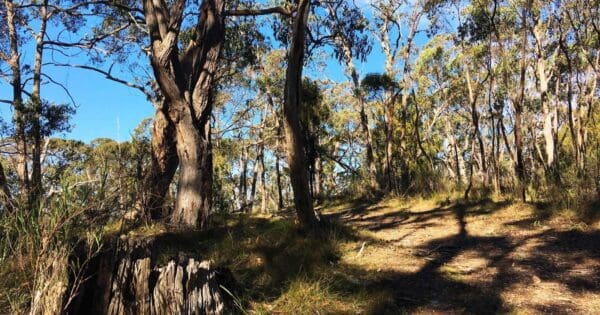

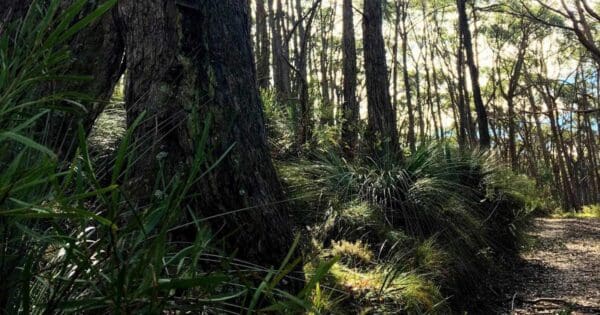
Stringybark Bushland in the Adelaide Hills
Overview
Kenneth Stirling Conservation Park protects scattered patches of native bushland across the central Adelaide Hills, not far from Adelaide and around localities including Carey Gully, Forest Range, Basket Range, Mount George and Balhannah. The park is made up of separate parcels rather than one continuous block, and that fragmented layout is part of what makes it important. In a landscape long shaped by farming, orchards and rural settlement, these remnants keep a sample of the higher-rainfall Mount Lofty Ranges bushland that once covered much more of the district.
The reserve was expanded in January 2023, adding more Crown land to the park. Even with its modest size, it plays an important role as protected habitat in the hills, especially where intact native vegetation has become patchy and isolated.
Highlights
What stands out here is the character of the bush itself. Kenneth Stirling Conservation Park holds some fine examples of stringybark woodland and open forest, giving parts of the park that cool, enclosed Adelaide Hills feel of tall trunks, sandy loams and a denser understorey than you find in many drier reserves closer to the plains.
Because the park is spread across several separate blocks, the scenery shifts from one section to another. Across the reserve you get a mix of ridge country, lower slopes and sheltered gullies, with vegetation changing along the way. Candlebark gum woodland, pink gum country and creekline red gums all add to that sense of variety.
Best Time to Visit
Autumn, winter and spring are usually the most rewarding times to visit. The Adelaide Hills are greener and cooler then, and the wetter soils and shaded forested sections tend to feel at their best. Spring is especially appealing when the understorey is fresh and orchids, lilies and other small ground plants are more noticeable.
Summer can still be pleasant in the more shaded parts of the park, but the overall experience is usually better outside the hottest months when the bush has more colour and the woodland feels less dry.
Plants and Animals
The park protects valuable remnant vegetation from the Central Mount Lofty Ranges, with Messmate Stringybark woodland forming a major part of its bushland character. Other vegetation communities include candlebark gum open forest, candlebark and South Australian blue gum woodland, pink gum woodland and small areas of river red gum along watercourses. That variety matters because each plant community supports slightly different habitat conditions.
This is also a place of real conservation value for wildlife. Across the broader Kenneth Stirling park group, native bushland supports ongoing restoration work for areas such as Filsells Hill and Whites Scrub, and in the surrounding Mount Lofty Ranges landscape the park is recognised as habitat for species including the Southern Brown Bandicoot. Woodland birds and smaller mammals benefit from the cover provided by intact understorey and mature trees, which is why weed control and habitat condition are such a big part of the park’s long-term importance.
Find more places to explore…
Help expand the trail collection!
Know of an official trail not listed on Trail Hiking Australia? I’m focused on showcasing the best tracks managed by land managers, and I’d love your help! Sharing a trail adds to our community and helps others discover safe, new adventures.
Submit your trail here

