Sorry, no records were found. Please adjust your search criteria and try again.
Sorry, unable to load the Maps API.
Explore stunning hiking trails of Kalamunda
Discover the diverse trails of Kalamunda, Western Australia, offering hikes and walks for all skill levels and interests. Find your perfect adventure today.
Discover 1 hiking trail in Kalamunda
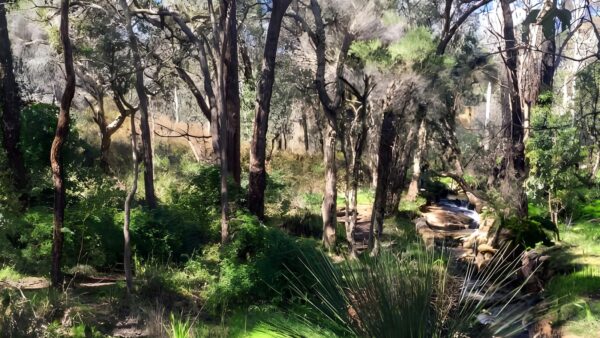

Where Piesse Brook Cuts Through the Perth Hills
Overview
Kalamunda National Park sits in the Perth Hills on the edge of the Darling Scarp, around 25 kilometres east of central Perth. It is a relatively compact park, but the landscape feels bigger than the map suggests, with forested slopes, creek lines and glimpses into the Piesse Brook valley giving the area a distinctly hilly character. The park is also known as the northern starting point of the Bibbulmun Track, which adds a strong sense of arrival to the bush around Kalamunda.
The bush here is shaped by the landforms of the Darling Plateau and scarp country. Around the park, lateritic uplands, steep valley sides and deeply incised drainage lines create a mix of ridge-and-gully country rather than flat forest, which is a big part of what makes Kalamunda feel different from many other bush areas close to Perth.
Highlights
The standout feature of Kalamunda is its position where the higher ground of the hills drops into the Piesse Brook valley. That gives the park a mix of enclosed creek scenery and broader views across the surrounding slopes. In places the terrain opens up enough to reveal the layered shape of the valley, while elsewhere the bush closes in around the watercourse and the gullies feel quiet and shaded.
Another part of the park’s appeal is its classic Perth Hills forest setting. Jarrah and red gum appear through the national park itself, while the wider Kalamunda area includes scarp slopes, upland ridges and creek systems that help explain the variety in the scenery from one part of the park to another.
Best Time to Visit
Winter and spring are usually the most rewarding times to spend time in Kalamunda. Creek lines are at their liveliest after rain, the forest feels greener, and wildflowers are a noted feature of the park in the cooler months. Spring is especially good if you want to see the bush at its most colourful.
Summer has a drier, more open feel, with the jarrah forest and rocky slopes taking on the harsher tones typical of the hills east of Perth. That can still be appealing, but the park’s watercourses and flowering heath are generally more expressive earlier in the year.
Plants and Animals
Kalamunda National Park is characterised by jarrah, marri, wandoo and butter gum woodland, with balga also present in the bushland. Around Piesse Brook and on the valley sides, the mix of slope, soil and moisture creates noticeable changes in vegetation over short distances, which is one reason the park feels botanically rich despite its modest size.
Wildlife commonly associated with the park includes kangaroos, echidnas, bandicoots and a good range of birdlife. In the broader Kalamunda area, streams, wetlands and remnant bushland also support frogs, native fish and waterbirds, especially where healthy fringing vegetation remains along waterways.
Culture and Heritage
Kalamunda National Park is on Whadjuk Noongar Country. The park’s Traditional Owner connection is explicitly recognised here, and that cultural belonging remains an essential part of understanding the place alongside its forest, creek lines and hills landscape.
Find more places to explore…
Help expand the trail collection!
Know of an official trail not listed on Trail Hiking Australia? I’m focused on showcasing the best tracks managed by land managers, and I’d love your help! Sharing a trail adds to our community and helps others discover safe, new adventures.
Submit your trail here

