Sorry, no records were found. Please adjust your search criteria and try again.
Sorry, unable to load the Maps API.
Explore stunning hiking trails of Kaiserstuhl Conservation Park
Discover the diverse trails of Kaiserstuhl Conservation Park, South Australia, offering hikes and walks for all skill levels and interests. Find your perfect adventure today.
Discover 2 hiking trails in Kaiserstuhl Conservation Park
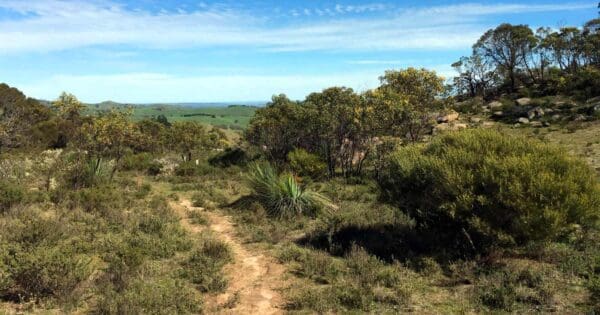

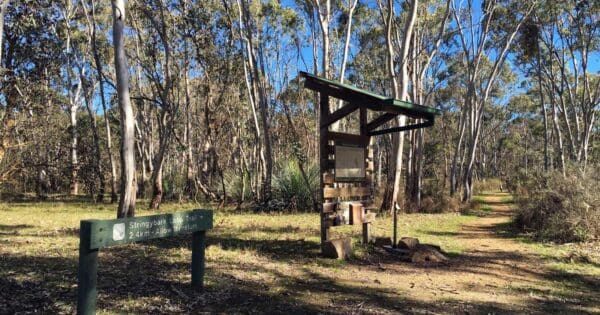
Granite Outcrops and Stringybark Country in the Northern Mount Lofty Ranges
Overview
Kaiserstuhl Conservation Park protects a 392-hectare remnant of native vegetation in the northern Mount Lofty Ranges, about 12 kilometres south-east of Tanunda and roughly 80 kilometres north-east of Adelaide. In a part of the Barossa where much of the surrounding land has long been cleared, this park holds an unusually varied patchwork of forest, scrub, creeklines, floodplains and ephemeral wetlands.
It was set aside to protect both scenic country and an important slice of regional biodiversity, including the northernmost population of brown stringybark in South Australia. The mix of landforms and soils gives the park a noticeably layered feel, with rocky rises and outcrops giving way to lower, more open ground around the creeks.
Highlights
The park’s strongest natural character comes from its rocky backbone. Granite and gneiss dominate the landscape, with outcrops scattered through the reserve and helping shape both the scenery and the vegetation. From higher points, there are broad views across the ranges towards the Barossa Valley, while the contrast between stony slopes, creek flats and wetter low-lying ground gives the park more variety than its modest size suggests.
Another standout is the presence of ephemeral wetlands and floodplain areas, which add a different note to what might otherwise seem like straightforward woodland country. These seasonal wet areas are part of what makes Kaiserstuhl feel distinct within the northern ranges.
Best Time to Visit
Spring is one of the most rewarding times to see the park at its most varied, when many shrubs and wildflowers are in bloom and the contrast between the forests, grassy openings and creek country is at its clearest. Cooler months generally make the landscape easier to enjoy on foot, especially when the seasonal creeks and wetter ground have a bit more life in them.
Early morning and late in the day are often the best times for wildlife watching, particularly around the open grasslands where kangaroos are more active.
Plants and Animals
Kaiserstuhl supports around 400 plant species, or more than 360 native species depending on the survey used, which is a sign of just how much diversity is packed into the reserve. Brown stringybark is the signature species here, growing at its northern limit in South Australia, alongside blue gums, river red gums, native pines, sheoaks, yaccas, wattles, tea-trees and silver banksias. Some plants are especially tied to the park’s rocky setting, including the green-flowered hairy correa found in sheltered spots around granite outcrops.
The variety of habitats also supports a wide range of animal life. Western grey kangaroos, euros, short-beaked echidnas and both common brushtail and common ringtail possums are all recorded here. Birdlife includes species such as common bronzewing, laughing kookaburra, Adelaide rosella and a range of honeyeaters, wrens and finches, with several birds of conservation significance also recorded in the park.
Culture and Heritage
Kaiserstuhl Conservation Park has documented cultural connections for both Peramangk and Ngadjuri people. The park sits on the boundary of their traditional areas, and it contains sites of significance to both groups. Those connections remain living ones, with strong physical and spiritual associations to the area continuing into the present.
The park also carries traces of more recent land use. Brown stringybark was heavily cut in the past for fuel, which helps explain the distinctive multi-stemmed form seen in many trees today, and granite was quarried here before the area was protected.
Find more places to explore…
Help expand the trail collection!
Know of an official trail not listed on Trail Hiking Australia? I’m focused on showcasing the best tracks managed by land managers, and I’d love your help! Sharing a trail adds to our community and helps others discover safe, new adventures.
Submit your trail here

