Sorry, no records were found. Please adjust your search criteria and try again.
Sorry, unable to load the Maps API.
Explore stunning hiking trails of Dhilba Guuranda-Innes National Park
Discover the diverse trails of Innes National Park, South Australia, offering hikes and walks for all skill levels and interests. Find your perfect adventure today.
Discover 8 hiking trails in Dhilba Guuranda-Innes National Park


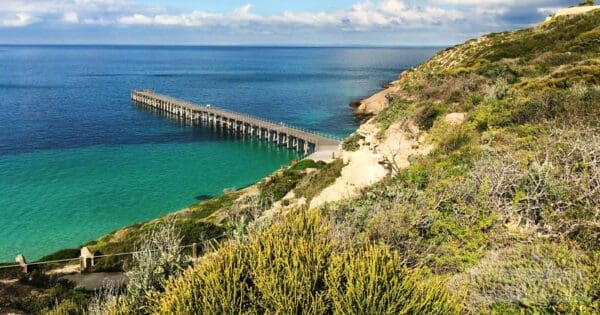

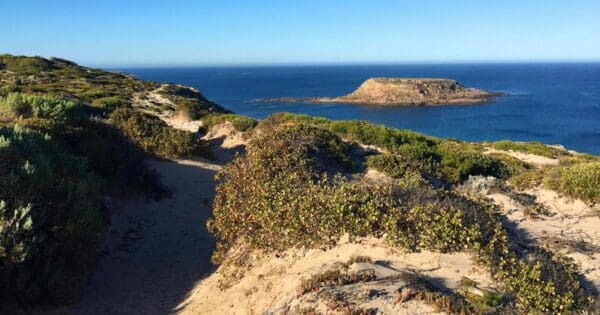
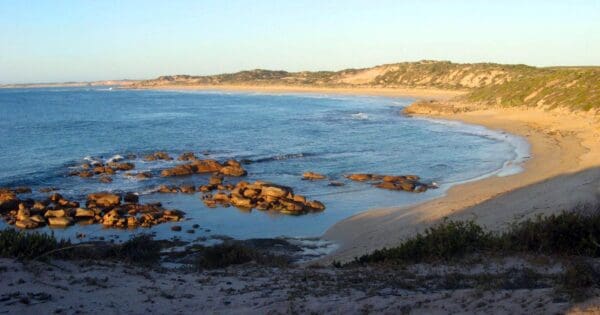
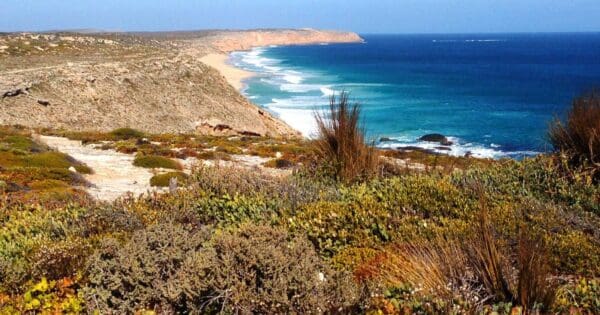
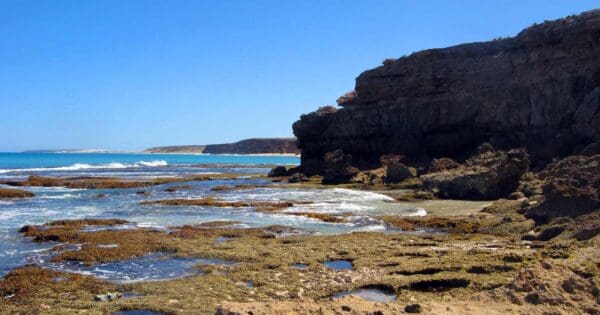


Clifftops, surf beaches and salt lakes at the foot of Yorke Peninsula
Overview
Dhilba Guuranda-Innes National Park sits at the southern end of Yorke Peninsula, near Marion Bay, around three hours from Adelaide. It protects a big, wind-shaped stretch of coast where headlands, beaches, dune systems, salt lakes and coastal heath all sit close together, giving the park a very different feel from the farming country further north.
This is one of the largest intact areas of native vegetation left on Yorke Peninsula, and that matters. The park holds habitats that are uncommon elsewhere on the peninsula, from coastal saltmarsh and samphire country to woodlands and offshore island environments, which is why it supports such a strong mix of wildlife and plant communities.
Highlights
The scenery here is all about meeting points between land and sea. Long beaches, sheer coastal edges, surf-battered bays and low inland lakes create a landscape that changes quickly as you move through it. Well-known features across the park include Pondalowie Bay, Dolphin Beach, Browns Beach, Gym Beach, Ethel Beach, Cape Spencer and the West Cape Lightstation.
What makes the place memorable is its contrast. One minute the country feels open and exposed, with views out over Spencer Gulf and the Southern Ocean-facing coast, and the next it tightens into sheltered coves, sand dunes and salt lake country behind the shore. That mix gives the park a strong sense of scale without feeling empty.
Best Time to Visit
The cooler months are often the most comfortable time to be here, especially from autumn through spring, when walking is easier and the coast tends to show more of its texture and colour. Summer can still be a good time thanks to the regular sea breezes that move across the peninsula, which take some of the edge off the heat.
If you are interested in wildflowers and greener coastal vegetation, late winter and spring are usually the most rewarding periods. For broad coastal views and beach scenery, the park has appeal year-round.
Plants and Animals
The park protects a broad spread of coastal and near-coastal habitats, including beaches, dune systems, coastal heathlands, salt pans, salt lakes, saltmarsh, samphire shrublands and remnant woodland. It also contains the largest area of remnant native vegetation on Yorke Peninsula, including nationally threatened coastal saltmarsh communities and patches of drooping sheoak grassy woodland.
That variety supports species of real conservation significance. Nationally threatened species recorded in the park include malleefowl and the white-bellied whipbird, along with several threatened plants. The park’s relatively intact vegetation has also made it important for wildlife restoration, with tammar wallabies reintroduced here in 2004 and brush-tailed bettongs released in 2021 as part of the Marna Banggara rewilding program.
Culture and Heritage
Dhilba Guuranda-Innes National Park is on Narungga Country and is co-managed with Narungga through the Dhilba Guuranda-Innes National Park Co-management Board. The dual name recognises the park’s Traditional Owners, with Dhilba referring to the southern clan group of Narungga people and Guuranda meaning southern land or southern territory.
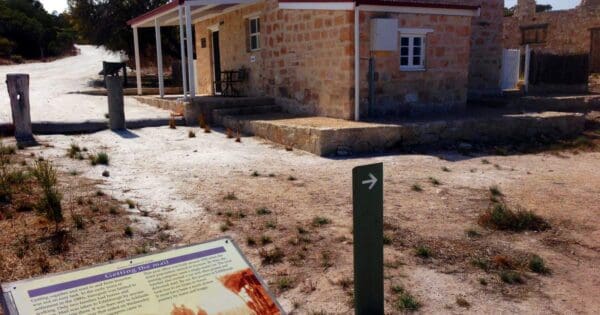
The park remains an important place for cultural, spiritual and traditional activities, and its landforms, waters and recorded sites form part of a connected cultural landscape. Alongside that living cultural connection, the park also contains the State Heritage-listed buildings of Inneston, linking the coastline with a well-known part of Yorke Peninsula’s industrial past.
Find more places to explore…
Help expand the trail collection!
Know of an official trail not listed on Trail Hiking Australia? I’m focused on showcasing the best tracks managed by land managers, and I’d love your help! Sharing a trail adds to our community and helps others discover safe, new adventures.
Submit your trail here

