Sorry, no records were found. Please adjust your search criteria and try again.
Sorry, unable to load the Maps API.
Explore stunning hiking trails of Hinchinbrook Island National Park
Discover the diverse trails of Hinchinbrook Island National Park, Queensland, offering hikes and walks for all skill levels and interests. Find your perfect adventure today.
Discover 1 hiking trail in Hinchinbrook Island National Park
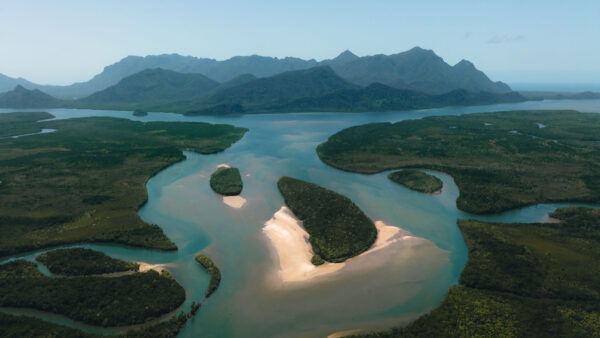

Granite peaks, mangrove channels and a wild island coastline
Overview
Hinchinbrook Island National Park protects a large mountainous island off the north Queensland coast near Cardwell, around 1,300km north-west of Brisbane. Covering about 39,900ha, it sits within the Great Barrier Reef World Heritage Area and is separated from the mainland by the long, mangrove-lined Hinchinbrook Channel. The island has been protected since 1932, and much of it still feels notably remote, with broad sweeps of coast, deeply cut bays and a rugged spine of mountains running through the interior.
What makes the park stand out is the sheer contrast packed into one island. Rainforest, eucalypt forest and paperbark wetlands give way to mangroves, sandy beaches, rocky headlands and upland heath on the higher slopes. The result is a place that feels both tropical and sharply sculpted, with landforms rising straight from reef-fringed water.
Highlights
The island’s scenery is defined by its steep granite mountains, which rise abruptly above the coast and give Hinchinbrook its bold, serrated profile. On the western side, the channel edge is softer and more intricate, edged by mangroves and tidal inlets. On the eastern side, the coast opens into long beaches, rocky points, clear creeks and waterfalls dropping out of the ranges.
Another standout is the way the island meets the sea. Fringing reefs, sheltered bays and broad views across surrounding tropical waters are part of the park’s character, but so is the enclosed feel of places where rainforest and wetland vegetation press close to the shoreline. That constant shift between open coast and enclosed creek country is a big part of what gives Hinchinbrook its distinctive look.
Best Time to Visit
The cooler, drier months from around April to September are generally the most comfortable time to be on Hinchinbrook Island, when humidity is lower and conditions are usually more settled. In the warmer months, the island is still striking, but the tropical climate becomes much more intense, with heavier rain and a more humid feel shaping the experience of the landscape.
Plants and Animals
Hinchinbrook supports a remarkable spread of habitats for one island, from rainforest and eucalypt forest to melaleuca swamps, mangroves and heath-covered mountain country. Its mangrove forests are among the richest and most varied in Australia, and they form an important breeding area for many marine animals.
The waters around the island include seagrass beds and fringing reefs that support species such as dugongs and green turtles. On land, the mix of dense forest, wetlands and coastal vegetation supports a wide range of wildlife, including native rodents and scrubfowl, while the island’s varied plant communities help explain why the scenery changes so dramatically from one part of the park to another.
Culture and Heritage
Hinchinbrook Island, also known as Munamudanamy, is Country for the Bandjin and Girramay people, who maintain ongoing connections to the island and surrounding sea country and are actively involved in park management. Cultural traces on the island include middens and the remains of stone fish traps, showing that First Nations peoples lived here for many thousands of years.
Find more places to explore…
Help expand the trail collection!
Know of an official trail not listed on Trail Hiking Australia? I’m focused on showcasing the best tracks managed by land managers, and I’d love your help! Sharing a trail adds to our community and helps others discover safe, new adventures.
Submit your trail here