Wandoo Woodland and Wheatbelt Wildlife at Dryandra
Overview
Dryandra Woodland sits near Narrogin, about 180 kilometres south-east of Perth, and protects one of the largest and most diverse remnant bushland areas in the Wheatbelt. It is a big, varied block of country where broad woodland, breakaway slopes, rocky patches and pockets of heath combine to give the area a very different feel from the surrounding cleared farming landscape.
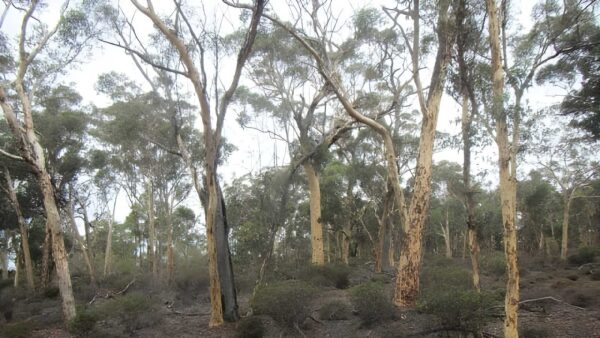
What stands out most is the sense of continuity. In a part of Western Australia where much native vegetation has been fragmented, Dryandra still holds a substantial stretch of original bush, with wandoo and powderbark wandoo woodlands making up most of the natural vegetation.
Highlights
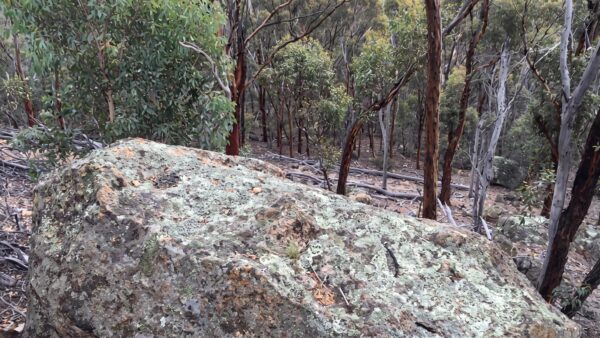
Dryandra is less about dramatic peaks or gorges and more about the character of its woodland country. The scenery shifts between tall open wandoo forest, mallet-covered slopes, rocky outcrops and heath, giving the area plenty of texture without ever losing its quiet Wheatbelt identity.
Breakaway slopes and higher points create some of the best broader views across the woodland, while stands of rock sheoak and banksia add contrast to the dominant eucalypt country. The result is a landscape that feels layered and expansive rather than rugged.
Best Time to Visit
The cooler months are usually the most comfortable time to spend time in Dryandra Woodland, when walking conditions are milder and the woodland is often at its freshest. Winter and spring also tend to bring a greener understorey and better wildflower displays, which suit the mix of woodland and heath particularly well.
If wildlife is part of the appeal, early morning, late afternoon and evening are often the times when the place feels most alive.
Plants and Animals
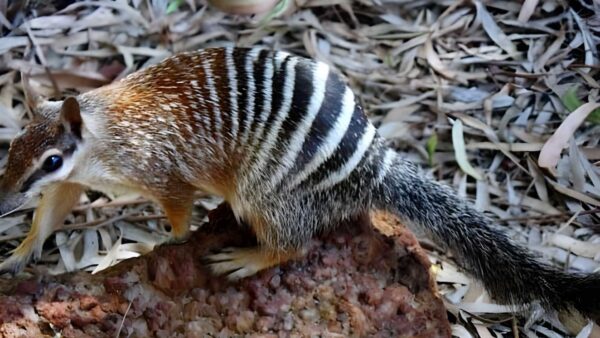
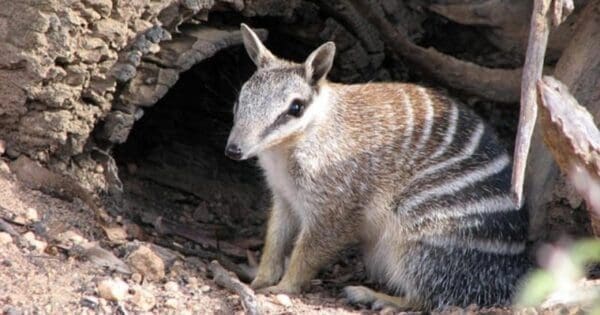
Dryandra is especially important for wildlife conservation, with the numbat a defining species here. Populations of both numbats and woylies from Dryandra have been used as the basis for reintroductions elsewhere, which says a lot about the woodland’s role in the wider recovery of threatened fauna in the south-west.
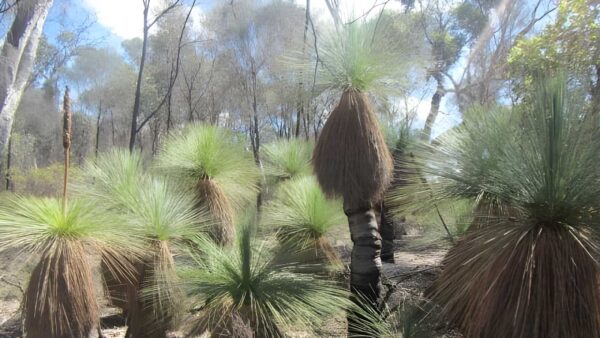
The plant life is shaped by the dominance of wandoo and powderbark wandoo woodland, with rock sheoak, heath and mallet also part of the picture in different parts of the park. That variety of vegetation helps support a rich mix of birds, mammals and other fauna, and it is one of the reasons the woodland feels so ecologically distinctive within the Wheatbelt.
Culture and Heritage
Dryandra Woodland is recognised as Wiilman Country. Aboriginal connections to this area are reflected in recorded sites within the woodland, including an ochre quarry, artefact scatters, stone arrangements and a scarred tree.
Cultural traces are part of the landscape here, not separate from it. They show a long connection between people and place, and add another layer of meaning to the woodland beyond its natural values alone.