Where Victoria’s highest coastal cliffs meet vast shifting dunes
Overview
Discovery Bay Coastal Park stretches along Victoria’s far south-west coast, west of Portland towards Nelson, protecting a long sweep of Southern Ocean shoreline shaped by wind, waves and sand. It is a big, open coastal landscape of beaches, rugged cliffs, mobile dune fields, wetlands and woodland, with a scale that feels quite different from the more sheltered parts of the state’s coastline.
The park covers about 10,460 hectares and sits beside Discovery Bay Marine National Park, so the sense of place is not just about the landforms on shore but also the wild marine edge running alongside them.
Highlights
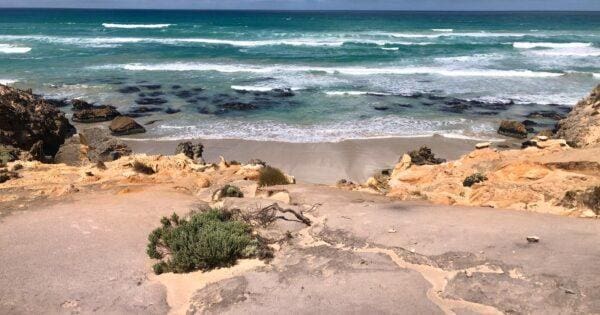
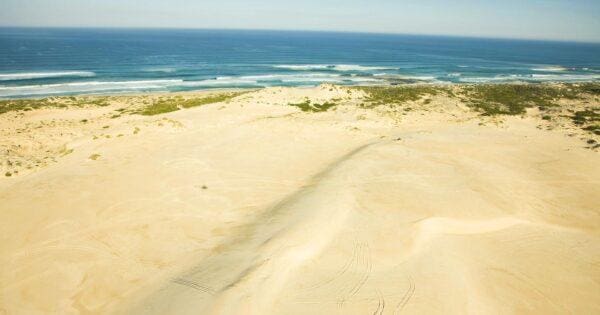
The defining feature here is sheer size and movement. Discovery Bay contains the largest area of mobile dunes in Victoria, and those dune fields give the coast a raw, shifting character that changes with wind and season. Along the eastern end, near Cape Bridgewater and Cape Nelson, the scenery tightens into high cliffs and dramatic basalt-backed headlands.
There is also a strong geological thread running through the park. The foredune and dune complex of Discovery Bay is recognised for its significance, while places such as the Petrified Forest and the Maretimo Cliffs add another layer to the coastline’s visual character.
Best Time to Visit
Discovery Bay Coastal Park can be rewarding at any time of year, but the most comfortable months for walking are usually the cooler parts of the year, from autumn through spring, when temperatures are milder and the coast often feels clearer and less harsh. Winter and spring can be especially good for appreciating the cliffs, surf and broad dune country at their most atmospheric.
In warmer months, the beaches and open coast have their own appeal, though the park’s exposed setting means conditions can feel bright, windy and dry. If you are coming mainly for birdlife and wetland scenery, seasonal changes in water levels and migration patterns can make spring and early summer especially interesting.
Plants and Animals
This coast supports a mix of dune vegetation, coastal scrub, herbland, wetlands and patches of woodland, creating habitat for a surprisingly rich spread of species. The wetlands around places such as the Lake Mombeong and Long Swamp complex are important natural assets within the park landscape.
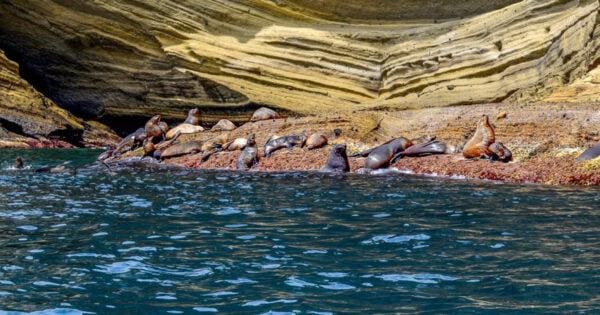
Discovery Bay is especially significant for birdlife. The coast through here supports resident populations of Hooded Plover, Rufous Bristlebird and Striated Fieldwren, and it is also used by non-breeding Orange-bellied Parrots. Coastal rocky platforms around Cape Bridgewater and Cape Nelson provide habitat for both Australian Fur Seals and New Zealand Fur Seals.
Culture and Heritage
Discovery Bay Coastal Park is part of Nyamat Mirring, or Sea Country, within the broader south-west landscape covered by the Ngootyoong Gunditj Ngootyoong Mara management plan. The park sits within a wider cultural landscape where Gunditjmara connection to Country continues to shape how land and cultural values are cared for.