Brisbane’s Mountain Forests and Rainforest Gullies
Overview
D’Aguilar National Park stretches along the mountains north-west of Brisbane, close enough to the city to feel surprisingly accessible yet large enough to hold a very broad sweep of country. It covers 39,228 hectares and protects everything from open eucalypt woodland and scribbly gum forest to cool subtropical rainforest on the higher, wetter slopes.
The park is split into southern and northern sections, with the southern side running through the Mount Nebo and Mount Glorious area and the northern side centred on Mount Mee. Across both sections, the character of the landscape changes with altitude, aspect and moisture, which is why the park can feel so different from one area to the next.
Highlights
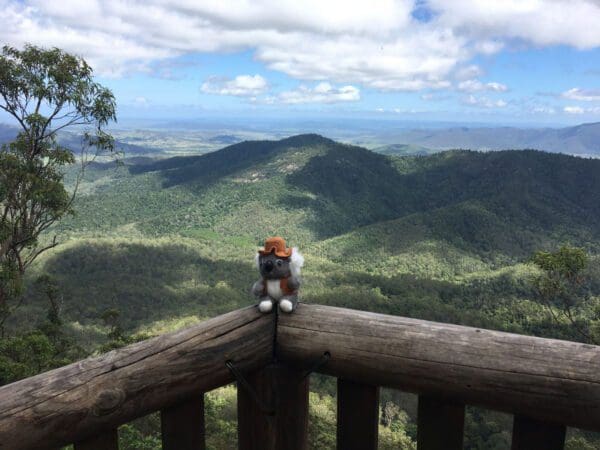
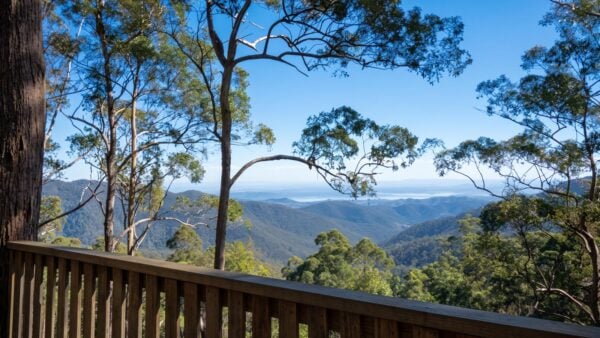
What makes this park stand out is the contrast between ridgelines, forested slopes and sheltered gullies. In the south, the road through Mount Nebo and Mount Glorious passes through changing eucalypt forest with lookouts over the surrounding ranges and towards Brisbane. In the north, the scenery becomes more rugged in places, with rocky outcrops, creek lines and broader views towards Somerset Dam and Lake Wivenhoe.
There is also a strong sense of relief here. Some parts are dry and open, while others are shaded, mossy and enclosed by tall forest. That mix gives D’Aguilar a scenic character that is less about one single landmark and more about the way the landscape keeps shifting as you move through it.
Best Time to Visit
The park is rewarding year-round, but the cooler months are often the most comfortable for longer walks, especially on exposed ridges and in the drier forest. At that time of year the mountain air is clearer and the contrast between crisp ridgelines and deep green gullies is often at its best.
After periods of rain, the rainforest sections and mountain streams feel especially fresh, with creeks running and ferns, mosses and fungi more noticeable in the shaded areas. Warmer months can still be beautiful, particularly in the higher parts of the park where the cooler upland climate softens the heat a little.
Plants and Animals
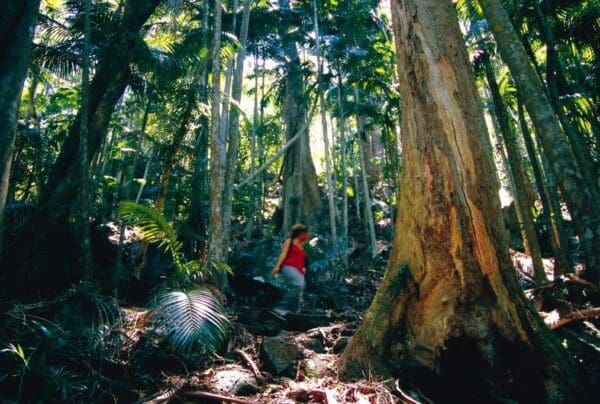
D’Aguilar National Park is one of those places where plant diversity is obvious even to casual walkers. More than 800 plant species are recorded here, including rare and threatened species. The park’s forests range from tall open eucalypt stands to lush subtropical rainforest with strangler figs, palms, climbing vines, buttress roots, ferns and mosses.
The variety of habitat supports equally varied wildlife. Mountain streams are home to giant barred frogs and spiny crayfish, while the taller forests shelter nocturnal species such as yellow-bellied gliders and short-eared possums. Birdlife is a strong part of the park’s character too, with species including bowerbirds, wompoo fruit-doves, bell miners, yellow-tailed black-cockatoos and the vulnerable powerful owl.