Sorry, no records were found. Please adjust your search criteria and try again.
Sorry, unable to load the Maps API.
Explore stunning hiking trails of Chiltern-Mount Pilot National Park
Discover the diverse trails of Chiltern-Mount Pilot National Park, Victoria, offering hikes and walks for all skill levels and interests. Find your perfect adventure today.
Discover 2 hiking trails in Chiltern-Mount Pilot National Park


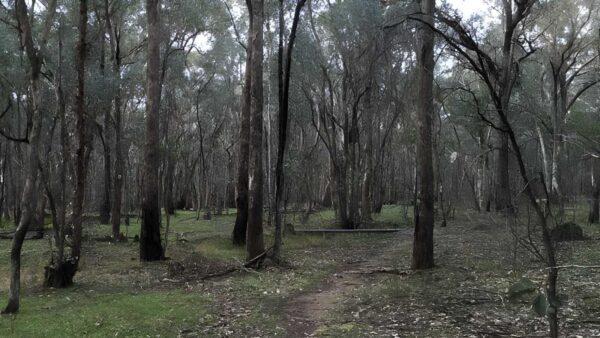

Granite Ridges, Box-Ironbark Forest and Falls Country at Chiltern-Mount Pilot
Overview
Chiltern-Mount Pilot National Park sits in north-east Victoria between Chiltern and Beechworth, about 275 km north-east of Melbourne. Covering just over 21,600 hectares, it brings together open box-ironbark forest, granitic hills and creek country in one large protected area. The result is a park with a noticeably varied character, from dry woodland around Chiltern to the rocky slopes and tors of the Mount Pilot Range.
This is also one of Victoria’s most ecologically rich box-ironbark parks. The mix of forest and woodland types supports an unusually diverse spread of wildlife, which is a big part of what makes the park feel so lively even when the landscape looks dry and spare at first glance.
Highlights
The park’s scenery comes from the contrast between two very different landscapes. In the Chiltern section, box-ironbark forest rolls over lower country with a dry, open feel. Further south, the Pilot Range rises in granite hills, with tors, boulders, rock shelves and small gorges that give the park a rougher, more sculpted edge.
Mount Pilot Range is the standout natural feature, and Woolshed Falls adds another layer of character where Spring Creek runs over broad granite slabs before dropping through the rocks. Reedy Creek and nearby creeklines also shape the landscape, breaking up the forest with pockets of greener country and more sheltered ground.
Best Time to Visit
Spring is the best time to see the park at its most colourful, when wildflowers are out through the box-ironbark forest and woodland. It is also a particularly rewarding season for birdlife, with the park’s mix of flowering eucalypts and varied habitats making the bush feel especially active.
Outside spring, the cooler months are often the most comfortable for walking, especially in the more open and exposed parts of the park.
Plants and Animals
Chiltern-Mount Pilot protects open eucalypt forest dominated by Red Stringybark, Blakely’s Red Gum, Grey Box and Mugga Ironbark, along with woodland and creekside vegetation that changes with soil and landform. In spring, these drier forests can carry a strong display of native wildflowers.
The park is especially important for fauna, with the highest number of recorded mammal, bird and reptile species of any box-ironbark site in Victoria. More than 200 bird species have been recorded here, including threatened woodland birds such as the Regent Honeyeater, Swift Parrot, Turquoise Parrot and Square-tailed Kite. Tree hollows shelter species such as squirrel, sugar and feathertail gliders, while eastern grey kangaroos and black wallabies are regularly seen on the ground.
Culture and Heritage
Chiltern-Mount Pilot National Park lies within the Country of the Dhudhuroa-Waywurru and Pangerang people. The park contains Aboriginal places and objects of significance, including major rock art sites. Yeddonba is one of the best known of these places and remains an important cultural site within the park.
The park also carries layers of more recent history through its old mining areas and altered creeklines, particularly around places shaped by gold-era activity, but its deeper cultural significance reaches much further back across the landscape.
Find more places to explore…
Help expand the trail collection!
Know of an official trail not listed on Trail Hiking Australia? I’m focused on showcasing the best tracks managed by land managers, and I’d love your help! Sharing a trail adds to our community and helps others discover safe, new adventures.
Submit your trail here

