Sorry, no records were found. Please adjust your search criteria and try again.
Sorry, unable to load the Maps API.
Explore stunning hiking trails of Chichester Ranges
Discover the diverse trails of Chichester Ranges, Western Australia, offering hikes and walks for all skill levels and interests. Find your perfect adventure today.
Discover 1 hiking trail in Chichester Ranges
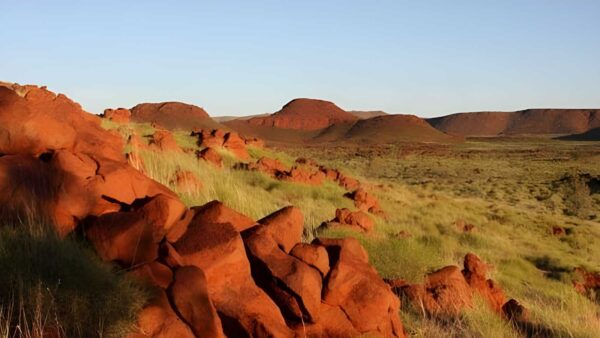

Where the Fortescue meets the Chichester escarpments
Overview
The Chichester Ranges form the rugged upland country of Millstream Chichester National Park in the Pilbara, about 150 kilometres south of Karratha. This is a dry, open landscape of rolling spinifex hills, broad tablelands and steep escarpments, cut through by the Fortescue River system and shaped by an underground aquifer that feeds permanent springs and pools. That contrast is what makes the area so memorable: hard ranges and rocky country on one side, then bands of water and green life threaded through it.
The wider park covers about 240,000 hectares, and the Chichester country gives it much of its scale and character. It is part of a nationally significant wetland system as well as a classic Pilbara rangeland landscape, so the appeal here is not just the ranges themselves but the way rock, water and open country sit together.
Highlights
The Chichester Ranges are known for their long escarpments, rocky slopes and wide tableland views. In places the country opens out into rolling spinifex hills, then tightens again around steep gullies and water-shaped rock features. This mix gives the area a strong sense of depth and distance that feels distinctly Pilbara.
One of the defining features of the broader Chichester landscape is its meeting of arid uplands with permanent water. Tree-lined watercourses, open pools and spring-fed wetland pockets soften the ranges and add a surprising band of green through otherwise dry country. That contrast between harsh red rock and persistent water is what gives this part of the park its scenic identity.
Best Time to Visit
The most comfortable time to be here is through the cooler months, particularly from May to August. At that time of year the temperatures are generally better for walking and for taking in the open country, and the ranges are easier to appreciate when the heat is not dominating the day.
Rain can also change the feel of the landscape quickly. After good falls, arid-country plants respond strongly and the contrast between the rocky uplands and greener water-fed areas becomes even more pronounced.
Plants and Animals
The Chichester country supports a mix of arid rangeland species and wetland-dependent life. Across the ranges and plains, spinifex dominates, with flowering plants such as mulla mulla, wattles, cassias, hibiscus, northern bluebells and Sturt desert pea adding seasonal colour. Around the better-watered parts of the park, the permanent springs and pools support a richer spread of plant, bird and insect life, including species that rely on those year-round water sources.
Animal life reflects that same meeting of dry country and permanent water. Birds gather around the wetlands and river pools, while the wider park also supports species such as euros, northern quolls, ghost bats, Pilbara olive pythons and the western pebble-mound mouse. Reptiles are a familiar part of the landscape too, including goannas and Pilbara dragons.
Culture and Heritage
The Chichester and Millstream country holds deep cultural significance for both Yindjibarndi and Ngarluma people. The Fortescue River, known as Yarnda Nyirranha, runs through country that is central to law, story and identity, and the park and surrounding wetlands are recognised as one of the most significant Aboriginal places in Western Australia.
Traditional Owners have described this landscape through creation stories in which ancestral beings shaped the ranges, gullies, river and pools. That connection is not historical only. It remains part of living law, cultural responsibility and the ongoing joint management of the area’s natural and cultural values.
Find more places to explore…
Help expand the trail collection!
Know of an official trail not listed on Trail Hiking Australia? I’m focused on showcasing the best tracks managed by land managers, and I’d love your help! Sharing a trail adds to our community and helps others discover safe, new adventures.
Submit your trail here

