Sorry, no records were found. Please adjust your search criteria and try again.
Sorry, unable to load the Maps API.
Explore stunning hiking trails of Cape Pallarenda Conservation Park
Discover the diverse trails of Cape Pallarenda Conservation Park, Queensland, offering hikes and walks for all skill levels and interests. Find your perfect adventure today.
Discover 1 hiking trail in Cape Pallarenda Conservation Park
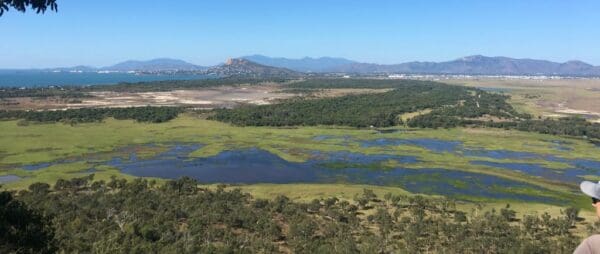

Headland Views and Dry Tropics Country at Cape Pallarenda
Overview
Cape Pallarenda Conservation Park protects a small but distinctive stretch of coast on the edge of Townsville, about 10km north of the city centre. The park covers roughly 45ha on a headland and low range where dry tropical woodland and vine thicket meet the sea, giving it a very different feel from the larger inland reserves around Townsville.
Although compact, it sits beside marine waters of the Great Barrier Reef World Heritage Area, so the sense of place is shaped as much by the coastline and broad views over Cleveland Bay as by the land itself. That mix of rocky headland, open slopes and coastal setting is what gives Cape Pallarenda its character.
Highlights
The defining feature here is the headland itself, with long views across the bay to Magnetic Island and back towards Townsville. The country is dry, open and exposed, with a mix of rocky ground, low ridges and coastal slopes that feel unmistakably North Queensland.
There is also a strong contrast between the scrubby headland and the sheltered patches of woodland and vine thicket beyond the old quarantine station. For a relatively small park, it packs in a lot of scenic variation, from sea-facing slopes and beachside outlooks to ridgelines where the coast opens right out.
Best Time to Visit
The cooler months are usually the most comfortable time to spend longer outdoors here. From late autumn through winter and into early spring, the dry tropical climate is generally milder and clearer, which suits a park known for its open country and coastal views.
At other times of year the landscape is still striking, but the hotter, more humid months can make the exposed headland and slopes feel much harsher in the middle of the day.
Plants and Animals
Cape Pallarenda sits in dry tropical vegetation, with open woodland and pockets of vine thicket supporting a surprisingly varied spread of wildlife for such a small park. Recorded animals include agile wallabies, allied rock-wallabies, Australian snubfin dolphins and dugongs, along with a broad mix of woodland and coastal birds.
Birdlife reflects the park’s mix of habitats. Species recorded here include brahminy kites, white-bellied sea-eagles, mangrove gerygones, little kingfishers and yellow honeyeaters. The plant list is also broad, with more than just beachside species, ranging from coastal jack bean to wattles and native honeysuckle.
Culture and Heritage
This place is also known as Wariganda and is recognised as Country of the Gurambilbarra Wulgurukaba People, whose connection with the area continues through law, custom, language and kinship.
Cape Pallarenda also holds a layered non-Indigenous history. The former quarantine station was relocated here in 1915, and parts of that site remain. On the headland, concrete WWII fortifications built in 1943 still mark the period when Townsville’s harbour approaches were being defended.
Find more places to explore…
Help expand the trail collection!
Know of an official trail not listed on Trail Hiking Australia? I’m focused on showcasing the best tracks managed by land managers, and I’d love your help! Sharing a trail adds to our community and helps others discover safe, new adventures.
Submit your trail here

