Sorry, no records were found. Please adjust your search criteria and try again.
Sorry, unable to load the Maps API.
Explore stunning hiking trails of Bunya Mountains National Park
Discover the diverse trails of Bunya Mountains National Park, Queensland, offering hikes and walks for all skill levels and interests. Find your perfect adventure today.
Discover 7 hiking trails in Bunya Mountains National Park


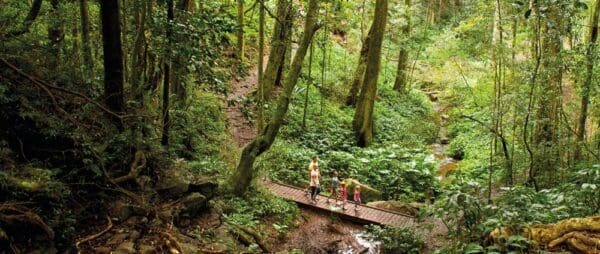
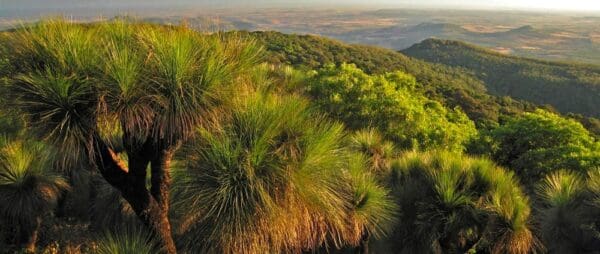
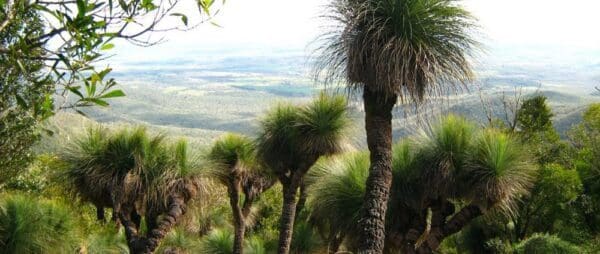

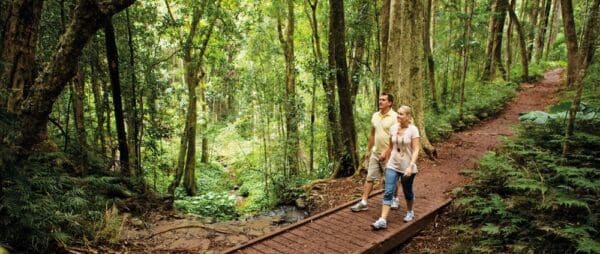
Ancient Bunya Pines and High-Country Rainforest on Queensland’s Volcanic Range
Overview
Bunya Mountains National Park rises as a cool, elevated block above the surrounding plains of south-east Queensland, about 200km north-west of Brisbane near the small towns of Dandabah and Bell. The mountains are the remains of an old shield volcano, and over time the basalt has weathered into deep, fertile soils that support a surprisingly rich mix of rainforest, dry forest, woodland and native grassland.
What makes the park feel so distinctive is that it sits like an island of mountain country in a largely cleared agricultural landscape. That isolation has helped protect ancient plant lineages, geographically separate habitats and more than 30 rare or threatened species.
Highlights
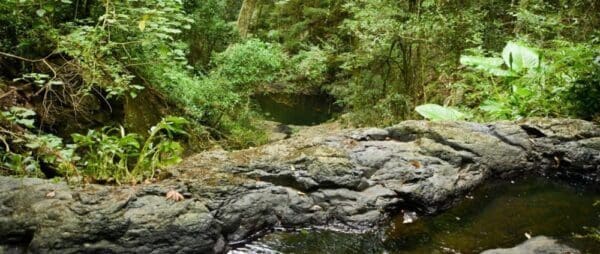
The defining feature here is the bunya pine forest. Bunya Mountains National Park protects the largest stand of bunya pines in the world, and the trees give the range a character that is completely its own, with dark domed crowns rising above the canopy. Hoop pines, deep gullies, misty rainforest and open high points all add to the sense of stepping into a much older landscape.
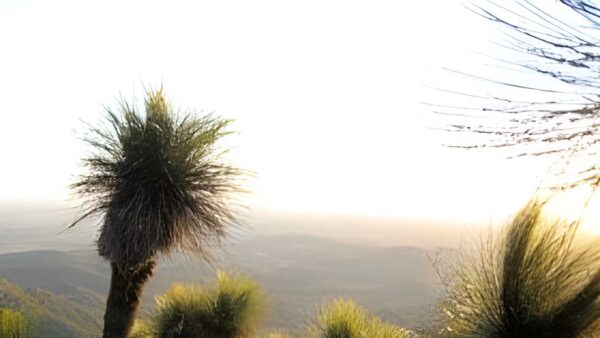
Another standout is the pattern of natural grasslands known locally as balds. Scattered across the range, these open patches break up the forest and create broad scenic contrasts between closed canopy, grassy clearings and long views across the plains below.
Best Time to Visit
The Bunya Mountains are appealing year-round, but the cooler months generally make the mountain air especially crisp and clear for walking and lookouts. In warmer parts of the year, the elevation brings milder conditions than the plains below, and summer moisture tends to deepen the lush feel of the rainforest gullies.
Late summer also brings the bunya cone season, when the trees begin dropping their heavy cones to the forest floor. That seasonal cycle is one of the park’s most distinctive rhythms and has long shaped the life of the mountains.
Plants and Animals
The range supports a remarkable spread of habitats, from moist rainforest and dry rainforest to open forest, woodland and endangered native grasslands. Those varied conditions allow very different plant and animal communities to exist in a relatively compact mountain area. The balds are especially important, supporting species that would not persist in dense forest and providing habitat for animals such as brown quail, swamp rats and several fairy-wren species.
The park is also important for species with very local distributions. Blue grass, first identified in the Bunya Mountains and found only in the eastern Darling Downs, grows in these grasslands, and the rare skink Lampropholis colossus is associated with the balds. In the forests, satin bowerbirds, parrots, wallabies and frogs are among the animals that give the mountains their strong sense of life and movement.
Culture and Heritage
The bunya pine is central to the cultural history of this place. For countless generations, large groups of Aboriginal people gathered in the Bunya Mountains during the bunya season, when the cones dropped edible seeds from December to March. These gatherings, now often referred to as bunya festivals, brought people together for ceremony, law-making, settling disputes, renewing relationships, sharing knowledge and strengthening spiritual life.
The mountains also hold an important place in Queensland’s conservation history. A timber reserve was declared here in 1881, and in 1908 the area became Queensland’s second national park and the state’s first national park of substantial size. Logging continued for decades beyond that early declaration, but the survival of the bunya forest remains one of the reasons the park is so significant today.
Find more places to explore…
Help expand the trail collection!
Know of an official trail not listed on Trail Hiking Australia? I’m focused on showcasing the best tracks managed by land managers, and I’d love your help! Sharing a trail adds to our community and helps others discover safe, new adventures.
Submit your trail here

