Sorry, no records were found. Please adjust your search criteria and try again.
Sorry, unable to load the Maps API.
Explore stunning hiking trails of Bundaberg
Discover the diverse trails of Bundaberg, Queensland, offering hikes and walks for all skill levels and interests. Find your perfect adventure today.
Discover 4 hiking trails in Bundaberg





Where the Woongarra Coast Meets a Major Turtle Rookery
Overview
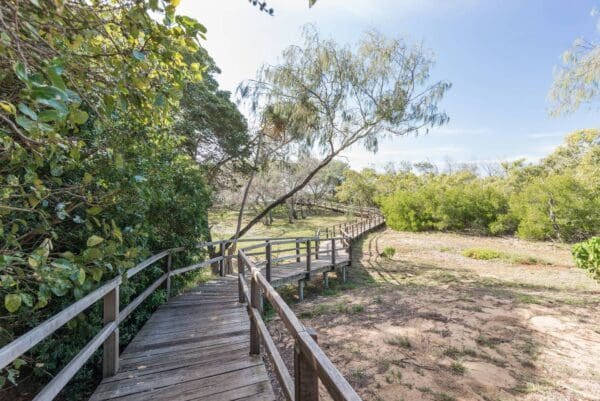
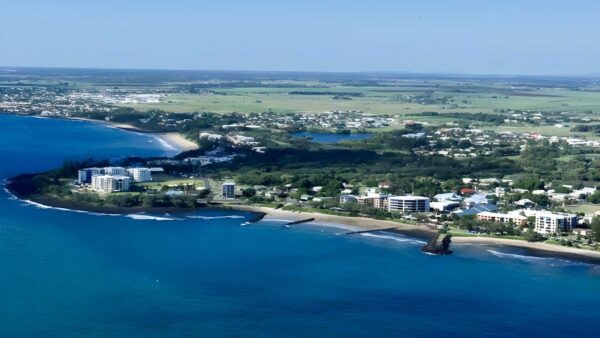
Mon Repos Conservation Park sits on the Woongarra coast about 14km east of Bundaberg, where a short stretch of beach and coastal vegetation supports one of Queensland’s most important wildlife sites. The park is relatively small, but its importance is outsized because it protects dune systems, mangroves, a tidal lagoon, rock pools and remnants of Woongarra rainforest scrub alongside a nationally significant nesting beach for marine turtles.
It is best known for marine turtle conservation, with a long-running research program dating back to 1968 and ongoing revegetation and wetland restoration work helping protect the nesting habitat. Land added in 2021 doubled the park’s size, giving this coastal strip more room for habitat recovery and better long-term protection.
Highlights
The defining feature here is the beach itself. Mon Repos supports the largest concentration of nesting marine turtles on the eastern Australian mainland, and it is the most significant loggerhead turtle nesting population in the South Pacific region. That gives the coastline a sense of real ecological importance as well as scenic appeal.
Beyond the nesting beach, the landscape shifts between low dunes, coastal vegetation, mangroves, a tidal lagoon and basalt slabs and reefs along the shore. At low tide, the rock platforms and pools show another side of the coast, with corals, sponges, barnacles and shellfish adding colour and texture close to the water’s edge.
Best Time to Visit
The warmer months from November to late March are the standout period, when the turtle season brings the beach to life. Earlier in that window, nesting activity is the main draw, while later in the season hatchlings become part of the story as well.
Outside turtle season, Mon Repos still works well as a coastal park. The milder months are often the most comfortable for simply appreciating the beach, dunes and shoreline scenery without the summer humidity.
Plants and Animals
Marine turtles are the headline species, with loggerheads making up most of the nesting turtles recorded here. Successful nesting and hatching at Mon Repos is critical to the survival of this endangered species, which is why the park holds such a prominent place in Queensland conservation.
The park’s habitats support more than just turtles. Dune plant communities, mangroves and rainforest scrub remnants create a varied coastal environment, and the open areas and wetlands attract a mix of birds and other wildlife. Around the beach and tracks, it is common to notice signs of life in the sand and shore zone as much as the animals themselves.
Culture and Heritage
Mon Repos Conservation Park is on the lands of the First Nations Bailai, Gurang, Gooreng Gooreng and Taribelang Bunda peoples, whose connection to this sea country is reflected in the continuing care of places, plants and animals here. The park is also culturally significant for the identified First Nations groups associated with the area.
There is also a tangible layer of shared history in the landscape. A heritage-listed basalt stone wall built around 1884 by South Sea Islanders still stands in the park, linking this stretch of coast with the district’s sugar-growing past. Mon Repos also has a place in Queensland aviation history as the launch site for Bert Hinkler’s first glider flights in 1912.
Find more places to explore…
Help expand the trail collection!
Know of an official trail not listed on Trail Hiking Australia? I’m focused on showcasing the best tracks managed by land managers, and I’d love your help! Sharing a trail adds to our community and helps others discover safe, new adventures.
Submit your trail here

