Sorry, no records were found. Please adjust your search criteria and try again.
Sorry, unable to load the Maps API.
Explore stunning hiking trails of Budj Bim National Park
Discover the diverse trails of Budj Bim National Park, Victoria, offering hikes and walks for all skill levels and interests. Find your perfect adventure today.
Discover 4 hiking trails in Budj Bim National Park
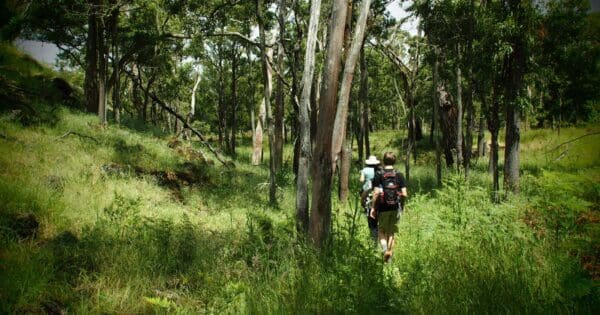
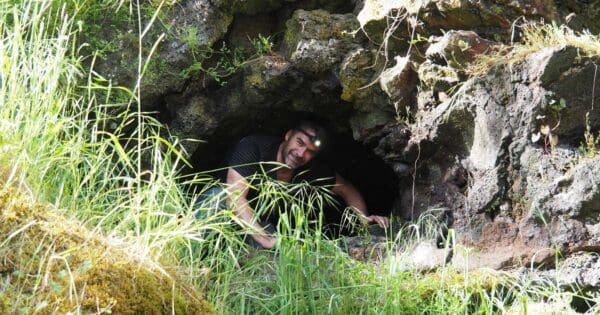
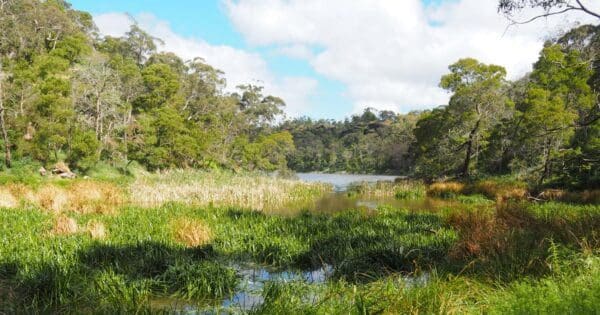
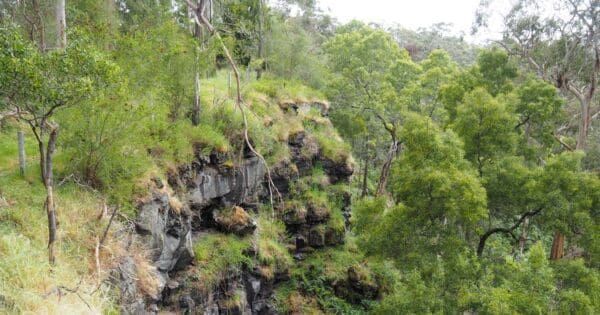

Ancient Volcano, Crater Lake and Stone Country at Budj Bim
Overview
Budj Bim National Park sits in south-western Victoria within a landscape shaped by ancient volcanic activity and long, layered cultural history. The park is centred on Budj Bim, formerly known as Mount Eccles, and includes a calm crater lake, lava canals, caves and bushland threaded through the stony rises of the western volcanic plain.
This is a place where the geology is easy to read in the ground around you. Lava once flowed from Budj Bim for more than 50 kilometres, reshaping drainage patterns across the district and helping create the wider landscape of lakes, wetlands and basalt country that makes this part of Victoria so distinctive.
Highlights
The scenery here is defined by volcanic forms rather than big elevation. Lake Surprise, set inside the old crater, gives the park a quiet focal point, while elsewhere the land opens into lava canals, rocky rises, caves and the striking formation known as Natural Bridge. Together they give the park a character that feels quite different from the forested ranges and coastal parks found elsewhere in Victoria.
The broader setting also matters. Budj Bim lies in what is often described as Stone Country, where dramatic volcanoes, lava flows, wetlands and Manna Gum woodland all sit close together. That mix of basalt, water and woodland gives the park much of its visual identity.
Best Time to Visit
Budj Bim National Park can be rewarding at any time of year, but the milder months are often the most comfortable for walking and spending time around the crater and volcanic features. After wetter periods, the lake and surrounding greenery can feel especially fresh, while cooler weather generally suits the open volcanic country better than the height of summer.
Because the park’s appeal is tied to landscape, geology and a settled bush setting rather than a short seasonal display, there is no single narrow window when it makes sense to visit.
Plants and Animals
Manna Gum woodland is one of the defining plant communities here, growing across the stony volcanic ground and giving parts of the park their soft, sheltered feel. The wider Stone Country landscape also supports wetlands and grassy woodland communities, which add to the contrast between rocky lava country and greener pockets around water.
Wildlife is part of the park’s everyday character, with koalas, kangaroos and emus all associated with the Budj Bim area. The condition of the Manna Gums is especially important here, as these trees are closely tied to the local koala population.
Culture and Heritage
Budj Bim National Park has a direct and clearly stated connection to Gunditjmara Country and is cooperatively managed with Gunditj Mirring Traditional Owners Aboriginal Corporation through the Budj Bim Council. Budj Bim itself is the Gunditjmara name for Mount Eccles, and the park forms part of the broader Budj Bim cultural landscape.
This cultural landscape is recognised for showing how Gunditjmara people worked with the resources of the south-west Victorian environment over thousands of years. Within the wider Budj Bim landscape, the volcanic terrain, wetlands and lava flows are bound up with cultural knowledge, enduring connection to Country and a history of engineered eel aquaculture that gives the area exceptional heritage significance.
Find more places to explore…
Help expand the trail collection!
Know of an official trail not listed on Trail Hiking Australia? I’m focused on showcasing the best tracks managed by land managers, and I’d love your help! Sharing a trail adds to our community and helps others discover safe, new adventures.
Submit your trail here