Sorry, no records were found. Please adjust your search criteria and try again.
Sorry, unable to load the Maps API.
Explore stunning hiking trails of Boondall Wetlands
Discover the diverse trails of Boondall Wetlands, Queensland, offering hikes and walks for all skill levels and interests. Find your perfect adventure today.
Discover 1 hiking trail in Boondall Wetlands
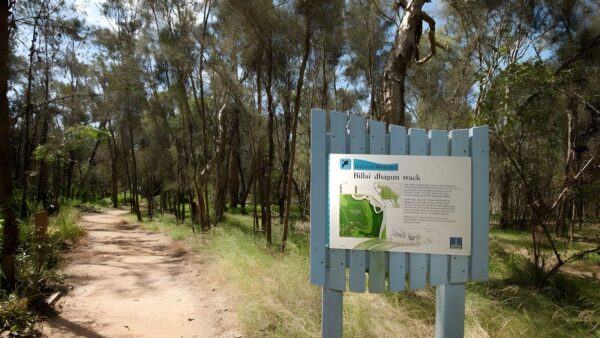

Where Mangroves, Mudflats and Shorebirds Meet Moreton Bay
Overview
Boondall Wetlands sits on the edge of Moreton Bay in Brisbane’s north-east, between Boondall, Nudgee Beach and Shorncliffe, about 30 minutes from central Brisbane. Covering about 1,150 hectares, it is Brisbane’s largest wetlands and includes a broad mix of tidal flats, mangroves, saltmarshes, grasslands, open forest and patches of rainforest.
This is a place shaped by water and tides rather than dramatic elevation. Its importance comes from the scale of its wetland habitats and from the way those habitats support birdlife, especially migratory shorebirds. The wetlands are recognised under the Ramsar Convention as a wetland of international significance.
Highlights
The character of Boondall Wetlands changes from one part of the reserve to the next. Tidal mudflats open out towards Moreton Bay, mangrove margins trace the creeks, and saltmarsh and hypersaline flats create wide, exposed country with a very different feel from the casuarina, melaleuca and eucalypt areas further inland.
What stands out most is that contrast between coastal wetland and dry-ground forest. It gives the area a strong sense of space, especially around the mudflats and shoreline, and makes Boondall feel more like a living estuarine landscape than a single type of bushland.
Best Time to Visit
The most rewarding time to visit is usually from September to April, when international migratory shorebirds are present in large numbers as part of the Asian-Australasian Flyway. This is when the wetlands are at their most dynamic for birdlife.
At other times of year, the mix of mangroves, forest, grassland and tidal habitat still gives the area plenty of interest, but if seeing the wetlands at their most distinctive matters to you, the shorebird season is the standout period.
Plants and Animals
Boondall Wetlands is best known for its birdlife, with more than 190 native bird species recorded here. Resident and migratory shorebirds use the wetlands to feed and rest, and the range of other birds includes waterbirds, raptors and smaller bush birds.
The vegetation is just as varied as the birdlife. Mangroves, saltmarshes, tidal flats, melaleuca wetlands, grasslands, casuarina and ironbark forest, and remnant rainforest all appear within the reserve. That variety of habitat also supports possums, squirrel gliders, frogs, reptiles, butterflies and flying foxes.
Culture and Heritage
Aboriginal and Torres Strait Islander people used this area for camping, ceremonies and gathering food, medicines and other resources. Cultural connections are also recognised through the Nurri Millen Totems Trail, where 18 totems reflect plants, animals, tools, camp life and Dreaming stories linked with Boondall Wetlands.
The wetlands were later farmed by the Catholic Church until the 1960s, before becoming a reserve in 1990.
Find more places to explore…
Help expand the trail collection!
Know of an official trail not listed on Trail Hiking Australia? I’m focused on showcasing the best tracks managed by land managers, and I’d love your help! Sharing a trail adds to our community and helps others discover safe, new adventures.
Submit your trail here

