Sorry, no records were found. Please adjust your search criteria and try again.
Sorry, unable to load the Maps API.
Explore stunning hiking trails of Black Hill Conservation Park
Discover the diverse trails of Black Hill Conservation Park, South Australia, offering hikes and walks for all skill levels and interests. Find your perfect adventure today.
Discover 4 hiking trails in Black Hill Conservation Park


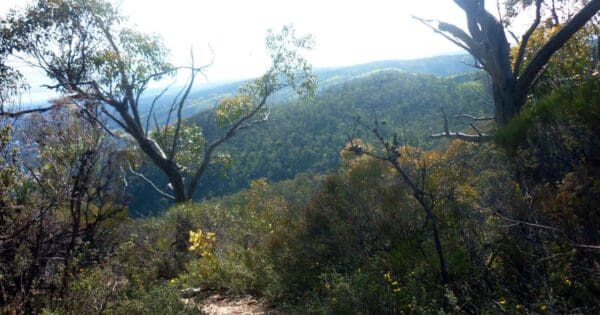
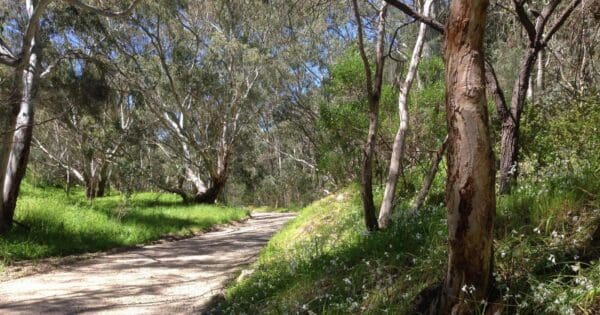


Ridges, wildflowers and city-edge bushland at Black Hill
Overview
Black Hill Conservation Park sits on the north-eastern edge of Adelaide, about 10 kilometres from the city, where the Mount Lofty Ranges rise above the suburbs. Covering 684 hectares, it forms a large stretch of native bushland beside neighbouring Morialta and helps shape the scenic backdrop of the eastern hills. The park was proclaimed in 1975, building on earlier protected land and the long-established Athelstone Wildflower Garden.
What gives Black Hill its character is the mix of ridges, gullies and higher open slopes. It feels close to town, but the country is unmistakably part of the ranges, with dry hillsides, creek lines and broad views that make the park feel much bigger than its map might suggest.
Highlights
Black Hill is known for ridge-and-gully scenery and for the elevated country above Fifth Creek and the River Torrens valley. The summit area is a standout, with sweeping views back across Adelaide, while the surrounding slopes show the folded, rugged shape of the lower Mount Lofty Ranges.
The scenery is not just about height. Underlying rocks such as quartzite, dolomite and slate help shape the park’s steep slopes and changing landforms, which is part of why the country shifts so noticeably from open ridgelines to more enclosed gullies.
Best Time to Visit
The cooler months are usually the most comfortable time to be out at Black Hill, especially from autumn through spring, when the exposed slopes are less harsh and the bush is often at its freshest. Spring is particularly rewarding because the park’s native flora is one of its defining features, linking back to the long history of the Athelstone Wildflower Garden.
After good seasonal rain, the contrast between grassy slopes, woodland and creekside vegetation is easier to appreciate. Summer can still be striking for its dry hill-country character, but it tends to feel much hotter and barer on the upper ridges.
Plants and Animals
Black Hill protects an important area of native vegetation in the Mount Lofty Ranges, with high plant diversity and a number of rare and vulnerable species. More than 300 native plant species have been recorded here. The vegetation ranges from savannah-type woodland with a grassy or herb-rich understorey to sclerophyll forest, with stringybark, pink gum, blue gum, red gum and manna gum all part of the mix.
This variety of landform and vegetation supports a healthy spread of native animals. Western grey kangaroos, short-beaked echidnas, koalas, yellow-footed antechinus, bush rats and both ringtail and brushtail possums are all recorded in the park. Birdlife is also a strong part of the experience, even if it is the changing plant communities and open hillsides that tend to leave the strongest impression first.
Culture and Heritage
Black Hill has an explicitly recognised Kaurna connection, and cultural links with the park remain important. The park’s management includes working with Kaurna people to strengthen those links, protect cultural sites, objects and remains, and build a deeper understanding of Indigenous values connected with Black Hill and neighbouring Morialta.
European use of the area also left a visible mark. Parts of Black Hill were used for timber cutting, tanning bark and quarrying from the late 1800s into the 1900s, and the Athelstone Wildflower Garden grew from a private native plant collection established in the late 1940s before becoming part of the broader protected area.
Find more places to explore…
Help expand the trail collection!
Know of an official trail not listed on Trail Hiking Australia? I’m focused on showcasing the best tracks managed by land managers, and I’d love your help! Sharing a trail adds to our community and helps others discover safe, new adventures.
Submit your trail here

