Sorry, no records were found. Please adjust your search criteria and try again.
Sorry, unable to load the Maps API.
Explore stunning hiking trails of Angove Conservation Park
Discover the diverse trails of Angove Conservation Park, South Australia, offering hikes and walks for all skill levels and interests. Find your perfect adventure today.
Discover 1 hiking trail in Angove Conservation Park
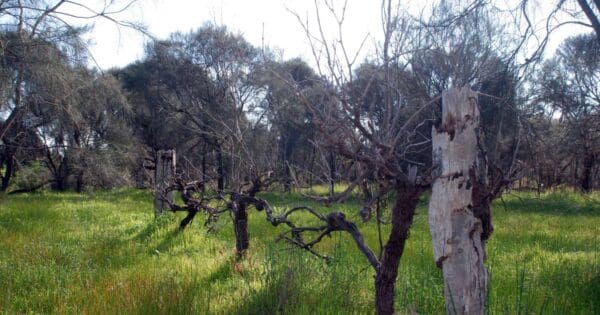

Remnant Sheoak and Cypress Pine in Adelaide’s North-Eastern Foothills
Overview
Angove Conservation Park protects a small but important patch of remnant bushland in the Adelaide foothills, in suburban Highbury about 18 kilometres north-east of the CBD. What makes it stand out is how much original vegetation survives here in such an urban setting, including one of the last remaining stands of drooping sheoak and southern cypress pine open woodland in the foothills.
The park sits between the Adelaide Plains and the Mount Lofty Ranges and preserves a fragment of country that was once far more widespread across this part of South Australia. Its value is less about size and more about rarity, with native vegetation, landforms and sheltered habitat packed into a compact area.
Highlights
The character of Angove Conservation Park comes from its dry foothill woodland and scrub, with drooping sheoak, southern cypress pine and blue gum associations creating a landscape that feels distinctly different from the surrounding suburbs. Dense shrub layers and varied plant structure give the park a textured, enclosed feel in some places, then open out to broader views in others.
One of the more memorable points within the park is Butterfly Ridge, on the site of an old vineyard. From this higher ground there are views west across the Adelaide Plains and towards the coast, adding a wider sense of place to what is otherwise a compact patch of native bush.
Best Time to Visit
Angove Conservation Park is usually at its best from the cooler months into spring, when the foothill vegetation is greener and seasonal growth brings more life into the understorey. After wetter winter weather, the park’s small watercourses are also more in keeping with their natural pattern, which helps the whole reserve feel fresher.
Spring is a particularly good time for wildflowers and for noticing the variety in the shrub and ground layers, while the milder temperatures also make it easier to appreciate the park’s woodland setting.
Plants and Animals
For a relatively small reserve, Angove has notable botanical diversity, with 142 native plant species recorded. The core vegetation includes drooping sheoak woodland and southern cypress pine woodland, along with other foothill associations and a dense fringe-myrtle heath. Some of these plant communities are now uncommon in the region, which is a big part of the park’s conservation importance.
The understorey includes native grasses such as kangaroo grass and spear grass, as well as smaller herbs and orchids, including the vulnerable plum leek-orchid. This mix of dense shrubs, leaf litter, grasses and trees creates habitat for possums, bats, reptiles and amphibians, while the park has records of about 75 bird species typical of the Mount Lofty Ranges. It also provides useful refuge for birds that rely on thicker vegetation and for species more often linked with higher-rainfall country.
Culture and Heritage
Angove Conservation Park lies on Kaurna Country. The park’s management history also reflects a long local connection to the land, and its non-Indigenous heritage is tied to the former Angove vineyard. Dr William Angove kept part of the property in a natural state for study, and the area known as Butterfly Ridge still carries that link with his interest in local birds and butterflies.
Within the park itself, there are no known Aboriginal sites listed on the Register, and the full extent of Aboriginal heritage in this area remains unclear.
Find more places to explore…
Help expand the trail collection!
Know of an official trail not listed on Trail Hiking Australia? I’m focused on showcasing the best tracks managed by land managers, and I’d love your help! Sharing a trail adds to our community and helps others discover safe, new adventures.
Submit your trail here

