Sorry, no records were found. Please adjust your search criteria and try again.
Sorry, unable to load the Maps API.
Explore stunning hiking trails of Aldinga Conservation Park
Discover the diverse trails of Aldinga Conservation Park, South Australia, offering hikes and walks for all skill levels and interests. Find your perfect adventure today.
Discover 1 hiking trail in Aldinga Conservation Park
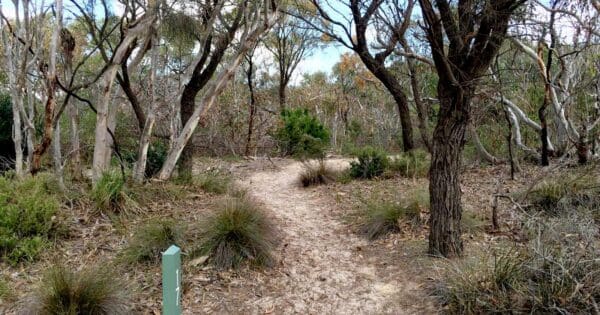

Coastal dunes, wetlands and rare scrub at Aldinga
Overview
Aldinga Conservation Park sits on the Gulf St Vincent coast between Aldinga Beach and Sellicks Beach, around 46 km south of Adelaide. It protects a surprisingly varied pocket of coastal country, from remnant scrub and dune systems to the wetter Aldinga Washpool area. Together these landscapes make the park an important refuge for native plants and animals in Adelaide’s southern coastal fringe.
The park is especially valued for the way its different habitats sit side by side. Sandy rises, low woodlands, heaths, sedgelands and seasonally wet ground all occur within a relatively compact area, giving the place a character that feels quite different from the surrounding suburbs and farmland.
Highlights
The strongest impression here is the meeting of coast and scrub. There is an impressive backdrop of sand dunes, mobile sand blows and remnant coastal vegetation, with the changing textures of heath, woodland and wetland giving the park much of its visual interest.
The Aldinga Washpool section adds another layer to the landscape. This area supports coastal saltmarsh and wetter low-lying habitat, creating a marked contrast with the drier scrub and dune country nearby.
Best Time to Visit
Spring is the standout season, when wildflowers bring colour through the scrub and many of the park’s plant communities are at their most vivid. It is also a rewarding time for birdlife, with the mix of habitats attracting plenty of activity.
Outside spring, the park still has plenty of appeal for anyone interested in coastal vegetation and quieter bushland close to Adelaide. After wetter periods, the contrast between the dry sandy country and the washpool areas is often easier to appreciate.
Plants and Animals
Aldinga Conservation Park supports a diverse range of plant communities, including sedgelands, closed heaths, pink gum woodlands, mallee box woodland, drooping sheoak shrubland and low coastal dune vegetation. These plants are well adapted to sandy soils and play an important role in stabilising the dunes.
Several rare plant species occur here, including lacy coral lichen, nardoo, hairy sedge and a number of orchids. In the washpool area, the coastal saltmarsh is particularly significant, with a threatened ecological community present there.
Wildlife is equally varied. More than 166 bird species have been recorded in the park, including migratory birds as well as species such as mistletoebirds, rainbow bee-eaters, brown goshawks and golden whistlers. Echidnas, possums, bats, geckoes and skinks also live in the park, along with a rich insect population supported by the native vegetation.
Culture and Heritage
This park lies within Kaurna Country and has strong cultural significance. The area was used during summer months as a place rich in food and useful materials, including shellfish, fish, reptiles, birds and plant foods such as nardoo, muntries, yams and quandongs.
The part of the park formerly known as the Aldinga Washpool was an important place for curing and drying possum skins, and it is recognised as a significant site along the Tjilbruke Dreaming Trail. The park’s current dual name also reflects the continuing connection of Kaurna people with this Country.
Find more places to explore…
Help expand the trail collection!
Know of an official trail not listed on Trail Hiking Australia? I’m focused on showcasing the best tracks managed by land managers, and I’d love your help! Sharing a trail adds to our community and helps others discover safe, new adventures.
Submit your trail here

