Sorry, no records were found. Please adjust your search criteria and try again.
Sorry, unable to load the Maps API.
Explore stunning hiking trails of Adelaide Hills
Discover the diverse trails of Adelaide Hills, South Australia, offering hikes and walks for all skill levels and interests. Find your perfect adventure today.
Discover 1 hiking trail in Adelaide Hills
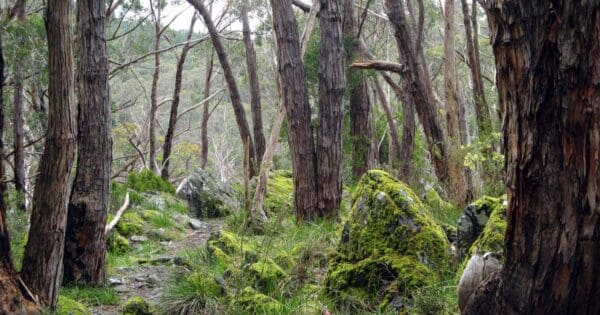

Where the Mount Lofty Ranges rise behind Adelaide
Overview
The Adelaide Hills are the closest stretch of high country to South Australia’s capital, with a chain of parks and reserves spread through the Mount Lofty Ranges just east and south-east of Adelaide. This is where the city gives way to steep gullies, long ridgelines, remnant bushland and cooler, wetter country than the plains below. Across the region, places such as Belair, Morialta, Mount George and Porter Scrub protect some of the most intact native vegetation left in the hills.
Because these reserves sit so close to suburbia, they do two jobs at once. They protect fragmented but important habitats, and they give a clear sense of how the Adelaide Hills once looked before most of the ranges were cleared for farming, forestry and settlement.
Highlights
Scenically, the Adelaide Hills are all about contrast. Narrow valleys and creek lines cut through the ranges, then suddenly open to broad views over wooded slopes, rocky ridges and, in places, all the way back across Adelaide. In the northern and central hills, steep gorges and seasonal waterfalls are part of the character, especially around Morialta, while elsewhere the appeal is in the quieter sweep of forested hillsides and sheltered gullies.
There is also a strong sense of variety from one part of the region to the next. Some parks preserve rugged slopes and sandstone ridges close to the city fringe, while others protect deeper pockets of woodland and forest around creeks and upper catchments. Mount Lofty Summit, at 727 metres above sea level, is one of the defining high points of the region and helps explain the cooler climate and broad outlooks that set the hills apart from the Adelaide plains.
Best Time to Visit
Autumn through spring is usually the most rewarding time to spend time in the Adelaide Hills. Cooler days make the climbs and longer rambles far more comfortable, winter and early spring bring the greenest bushland, and seasonal creeks and falls are at their best after good rain. Spring is also the standout for wildflowers, with native orchids, wattles and other small flowering plants appearing through the bushland.
Summer can still be beautiful in the hills, but the country looks drier and more subdued, and the experience is less about running water and fresh growth than open forest, dry ridges and long views through the trees.
Plants and Animals
The Adelaide Hills parks protect a surprisingly rich mix of vegetation for such a settled region. Depending on the reserve, you move through stringybark woodland, candlebark gum open forest, pink gum low woodland, river red gum woodland and grassy forest communities. In places, these are not just attractive remnants but conservation priorities, especially where they survive as isolated patches in a heavily cleared landscape.
Wildlife is one of the region’s strengths. The hills provide refuge and movement corridors for many native species, including threatened birds, small mammals and woodland fauna that rely on larger patches of connected habitat. Yellow-tailed black-cockatoos are a well-known presence in some parks, and several reserves also support or provide likely habitat for species of conservation significance such as the southern brown bandicoot. The combination of wetter gullies, mature eucalypts and remnant understory gives these hills a depth of habitat that is easy to miss at first glance.
Culture and Heritage
The Adelaide Hills parks also carry layers of more recent history. Belair is South Australia’s oldest national park and includes Old Government House, while in other reserves the marks of earlier land use still remain in the landscape, from old mine workings to signs of timber cutting and former farming. Those traces are part of what makes the region distinctive: these are not untouched hills, but conserved pieces of country where natural recovery and human history sit side by side.
Find more places to explore…
Help expand the trail collection!
Know of an official trail not listed on Trail Hiking Australia? I’m focused on showcasing the best tracks managed by land managers, and I’d love your help! Sharing a trail adds to our community and helps others discover safe, new adventures.
Submit your trail here

