The North Face Offtrail Hike LT Mid GORE-TEX Boots, Field Test Review
Why your boots are the most important piece of gear you’ll own
If you’ve spent any time out on the trail, you’ll know that your boots can make or break a hike. Everything else, your pack, your poles, your rain jacket, can be uncomfortable or imperfect and you’ll still get through the day. But get your footwear wrong and you’re in trouble from the first kilometre. Blisters, rolled ankles, wet feet, aching knees from poor underfoot cushioning, bad boots don’t just ruin a hike, they can end one.
In Australia, we hike across some genuinely demanding terrain. Rocky gorges, loose scree, off-track scrub, creek crossings, and everything in between. And we do it in conditions that swing from freezing mornings to sweltering afternoons, often on the same day. So when a boot brand claims their footwear can handle all of that while keeping things lightweight and comfortable, I want to put that claim to the test.
The North Face has been in the hiking boot space for a long time, and their Offtrail Hike LT Mid GORE-TEX is one of their more interesting recent releases. It’s aimed squarely at hikers who want serious trail protection without strapping on a pair of heavy, stiff traditional mountaineering boots. On paper, the combination of a GORE-TEX membrane, Cordura ripstop upper, SKYCORE rock guard, and Surface Control rubber outsole sounds compelling. But paper is not the trail, so let’s get into it.
How I tested these boots
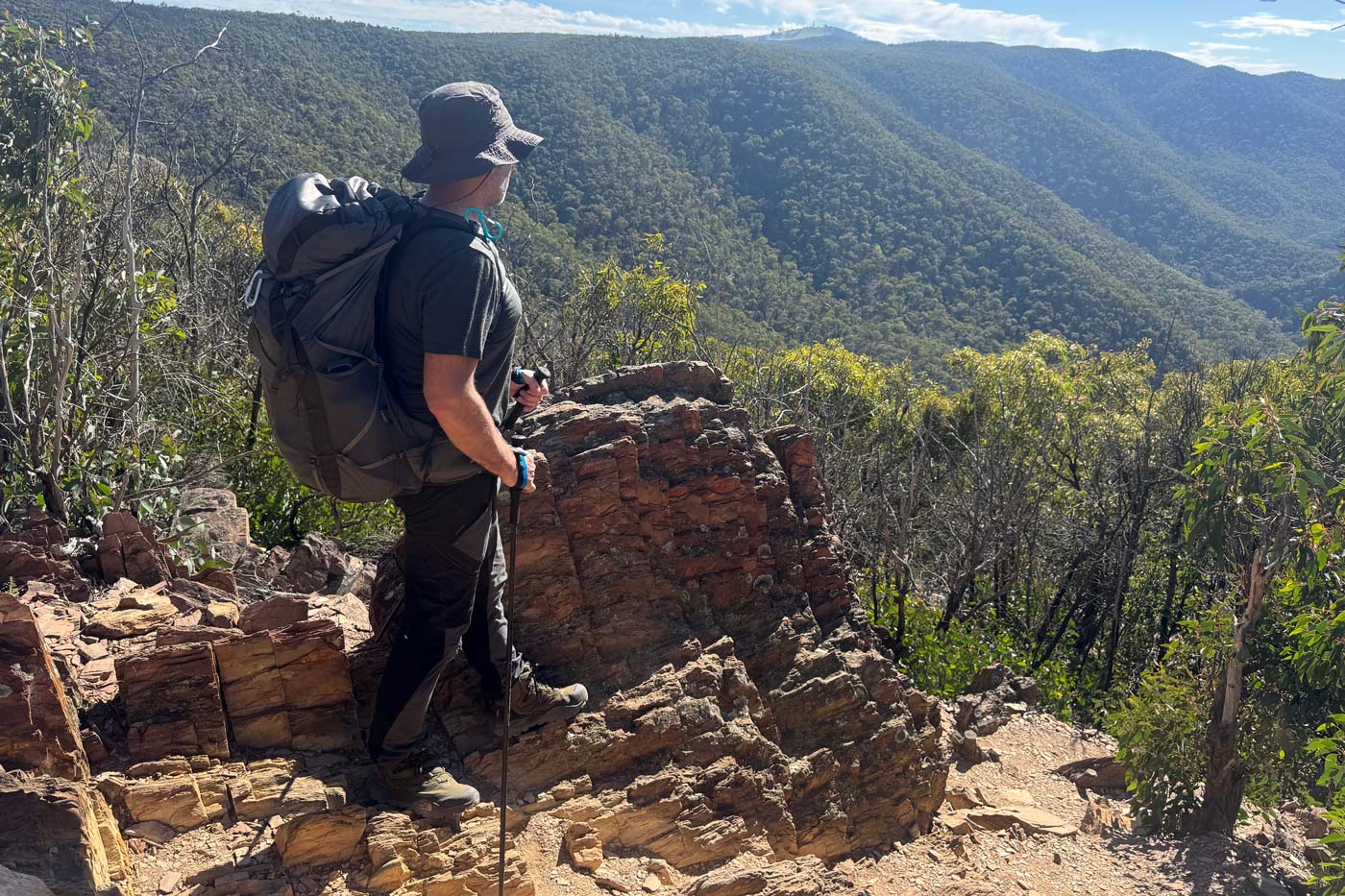
I was provided with a pair of The North Face Offtrail Hike LT Mid GORE-TEX Boots to field test and review. Over several weeks, I put them through a range of day hikes across Werribee Gorge, Lerderderg State Park, and the Brisbane Ranges, terrain that covers rocky scrambles, loose gravel, hard-packed trails, and off-track sections, including some river and creek crossings along the way. The conditions were mixed, covering everything from dry, sun-baked surfaces to wet rocks and muddy ground. That’s the kind of real-world variety that tells you a lot more about a boot than any single outing could.
Here’s what I found.
Construction and build quality
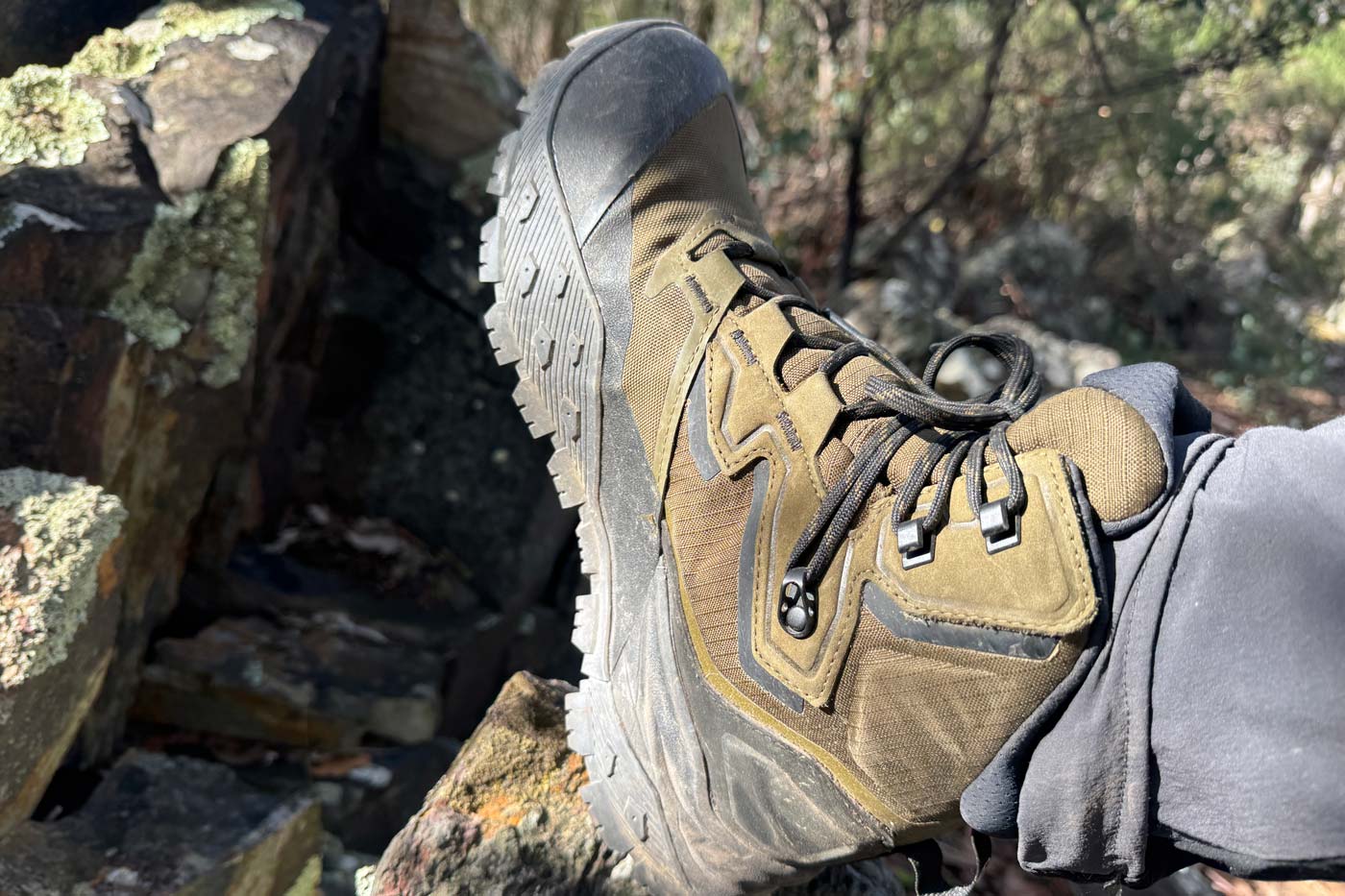
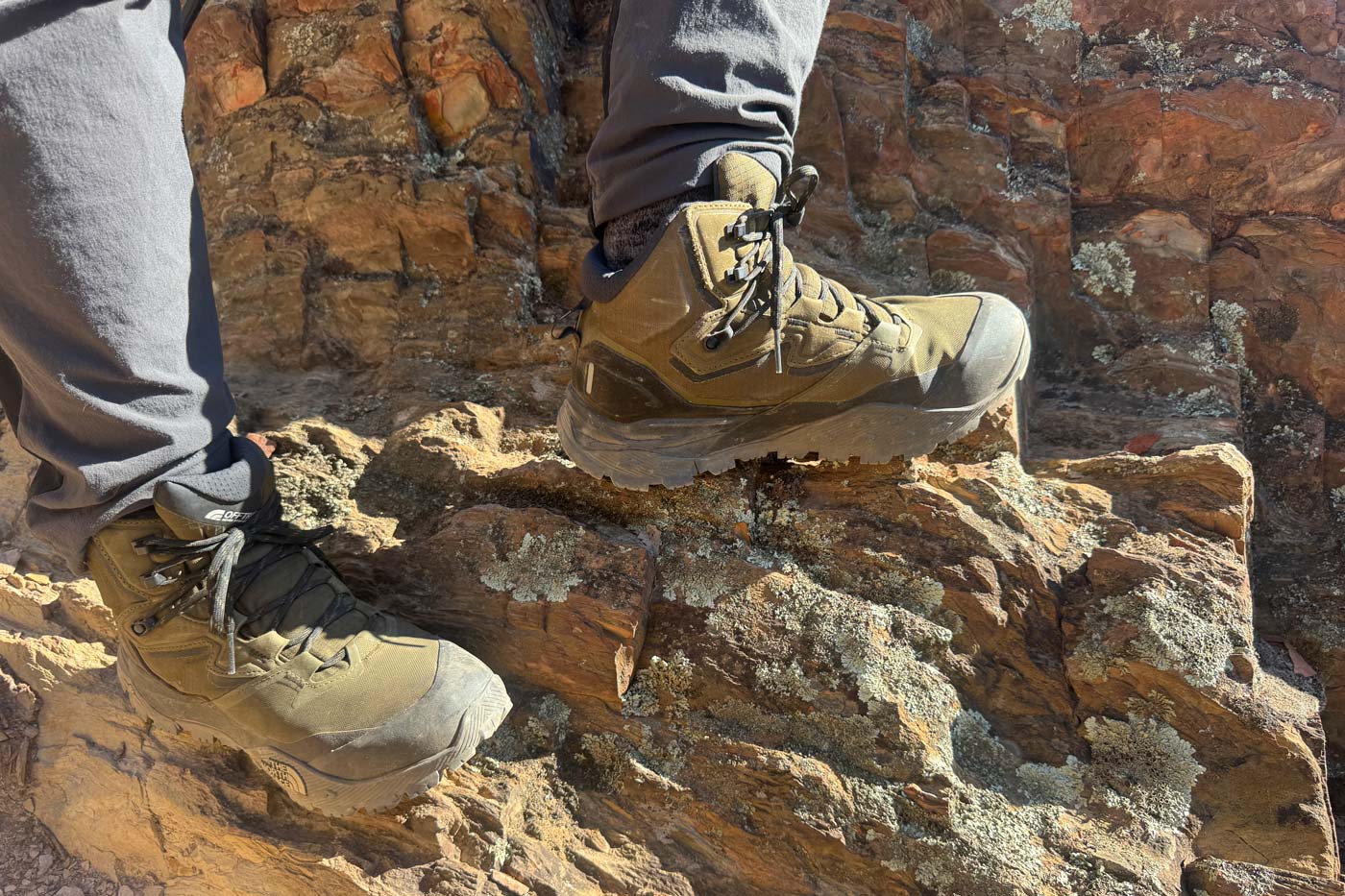
First impressions out of the box: these boots look and feel substantial. The upper is built from Cordura ripstop nylon with nubuck leather reinforcements and TPU overlays. There’s an overlasted forefoot design, meaning the upper wraps underneath and is bonded to the midsole, which gives the front of the boot a noticeably robust feel. The ballistic rubber toe cap is chunky and covers the toe area well, and there are rubber wraps around both the heel and forefoot that add to the overall sense of structure.
The collar is well padded, the tongue is thick and comfortable, and the pull loop at the heel makes getting the boots on and off much easier than you’d expect for something this structured.
The North Face also sources their leather from Leather Working Group-certified tanneries, and the outsole rubber includes a percentage sourced from smallholder farmers committed to regenerative agriculture. It’s a detail that won’t affect your hike, but it’s worth noting for anyone who cares about where their gear comes from.
Overall, the construction feels solid and purposeful. These are clearly built to take a beating on rough terrain.
It’s still early in the testing period, so I’m not in a position to draw firm conclusions about long-term durability yet. I’ll continue to monitor how the outsole, upper, and hardware hold up over extended use and report back once these have had more time on the trail.
Waterproofing: GORE-TEX delivers
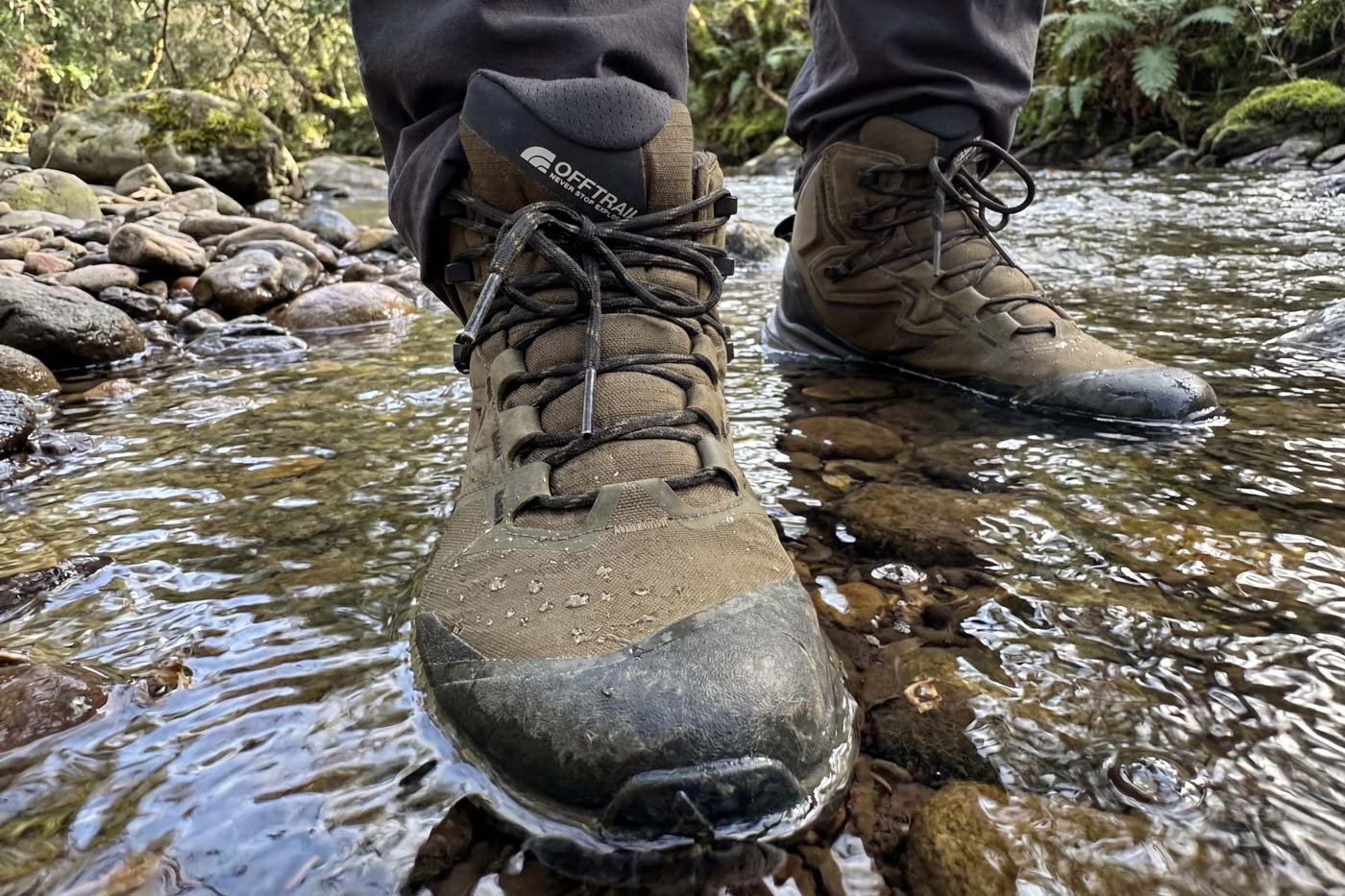
The PFAS-free GORE-TEX membrane is one of the headline features here, and it delivered. During the creek and river crossings, my feet stayed completely dry. I wasn’t wading deep, the water came up to around the lower ankle area, but the membrane did exactly what it’s supposed to do without any issue.
It’s worth noting this is a PFAS-free membrane, which is a meaningful step forward from older GORE-TEX constructions that relied on per- and polyfluoroalkyl substances for water resistance. From a performance standpoint, I noticed no difference from standard GORE-TEX in terms of keeping water out.
The trade-off for that waterproofing is heat management. In Lerderderg State Park, during sustained movement on warmer days, I did notice heat building up inside the boot. That’s not a flaw specific to this model, it’s the reality of any waterproof membrane limiting airflow. In practical terms, the same construction that keeps water out also traps warmth in. I found myself taking them off during breaks to let heat escape. These will feel far more comfortable in cooler months or alpine conditions than on hot summer days in the ranges.
Stability and underfoot protection
This is where the Offtrail LT really earns its keep.
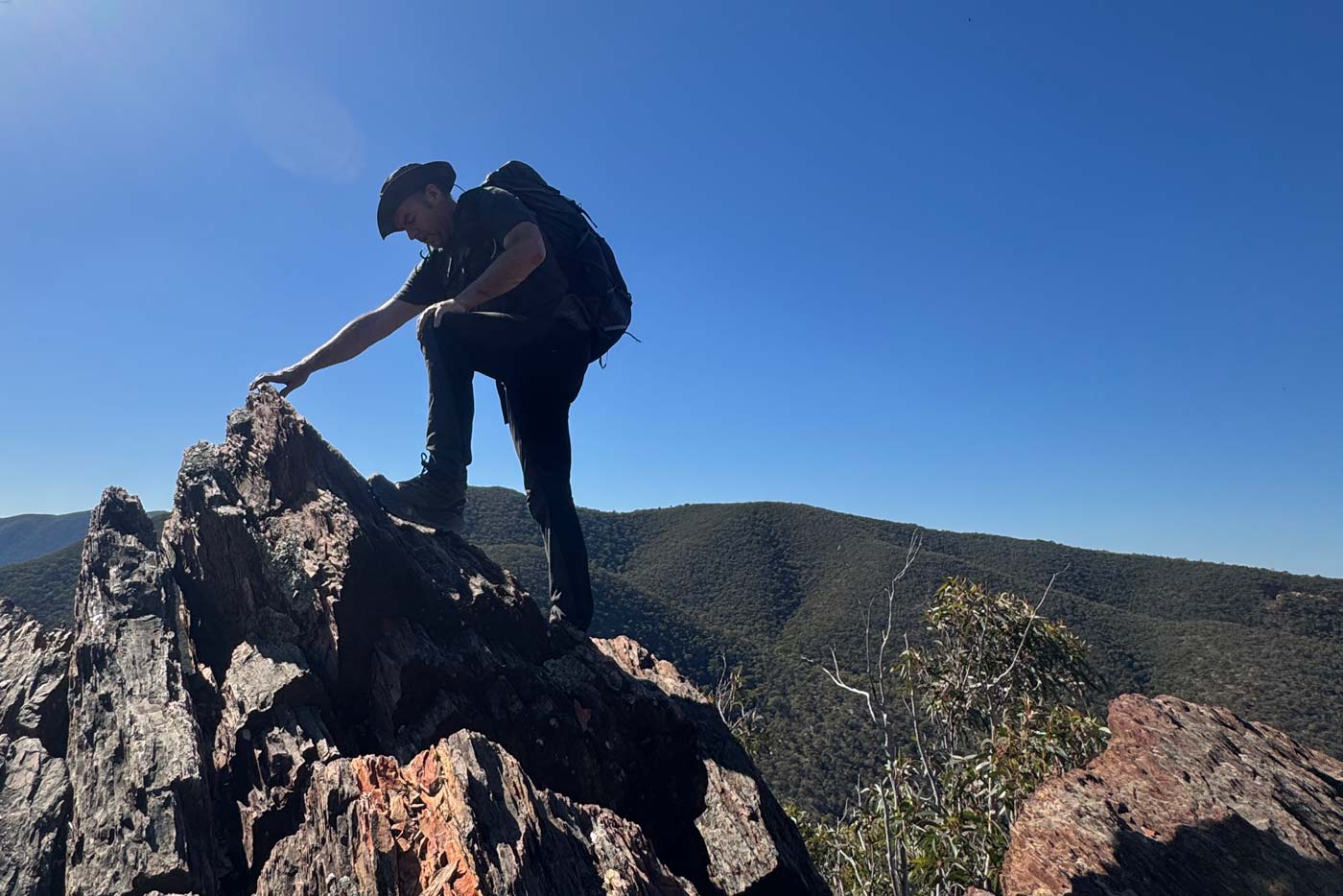
On the rocky scrambles and uneven terrain of Werribee Gorge, these boots are genuinely impressive. The reinforced structure holds its shape well underfoot, and the SKYCORE rock guard, a protective plate integrated beneath the forefoot, does a good job of absorbing the impact from sharp rocks on prolonged descents. After a few hours of scrambling over rocky ground, my feet weren’t feeling beaten up the way they sometimes do in lighter footwear.
That protection comes with a slightly firmer, more structured feel underfoot. The boot doesn’t flex as freely through the midfoot as a trail runner, which is exactly what gives it that stability on rough terrain. Over longer distances on flatter ground, you do become aware of that stiffness, not uncomfortable, but less forgiving than softer, more flexible footwear.
Lateral stability is a standout. When moving across uneven rock faces or stepping between gaps, the boot resisted any tendency to roll or collapse sideways. The structured heel cup locks the foot in place, and the midfoot support gives you a secure, planted feel. If you’re hiking on technical or off-track terrain where one wrong step could mean a twisted ankle, this kind of stability is genuinely reassuring.
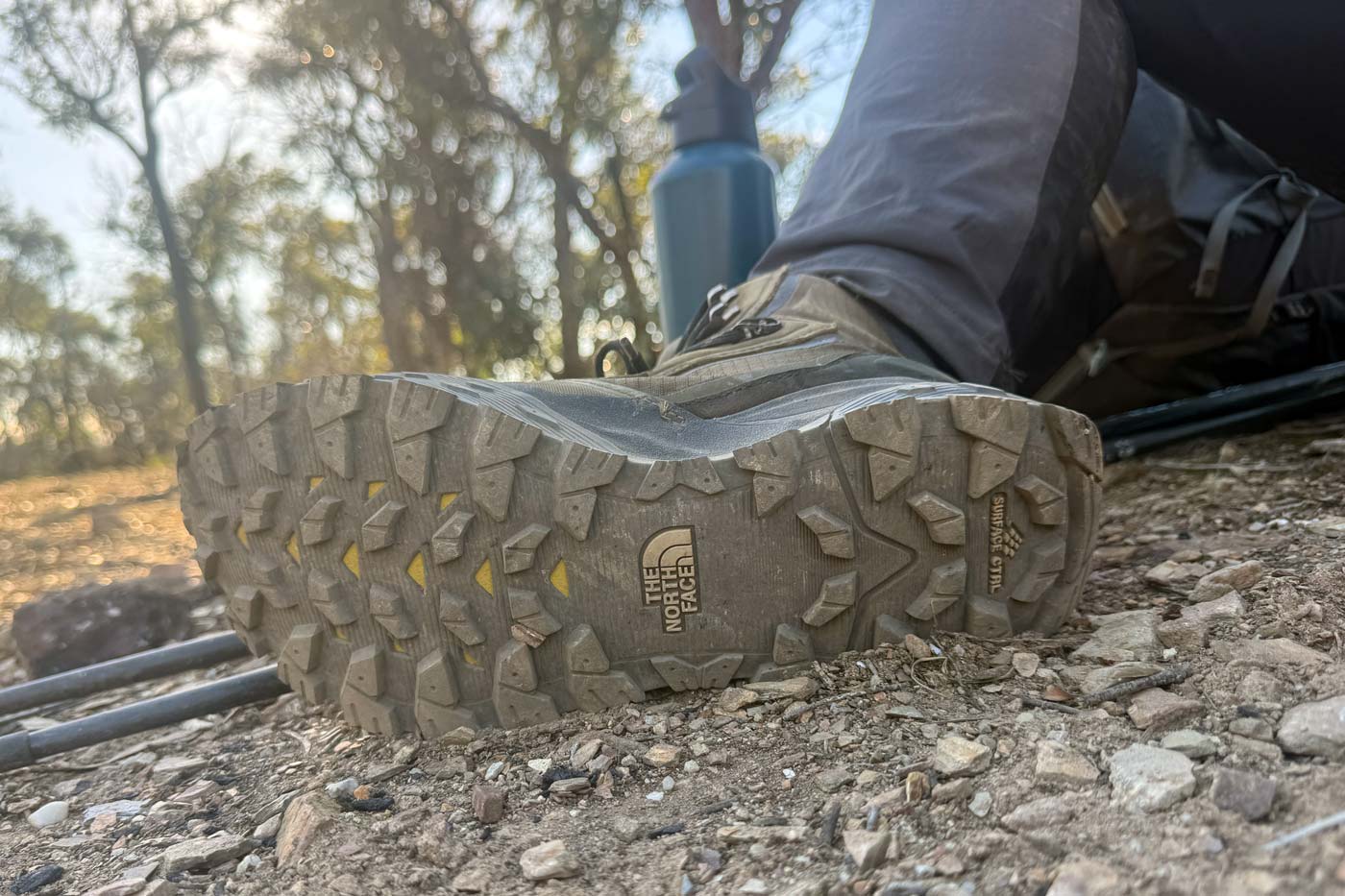
The 5mm lugs on the Surface Control rubber outsole provided reliable traction across the range of dry surfaces I tested them on, loose gravel, hard-packed dirt, rocky tracks. They handled all of it dependably. On dry terrain especially, the outsole gave me confidence on descents and across loose surfaces under a loaded pack.
Fit and comfort
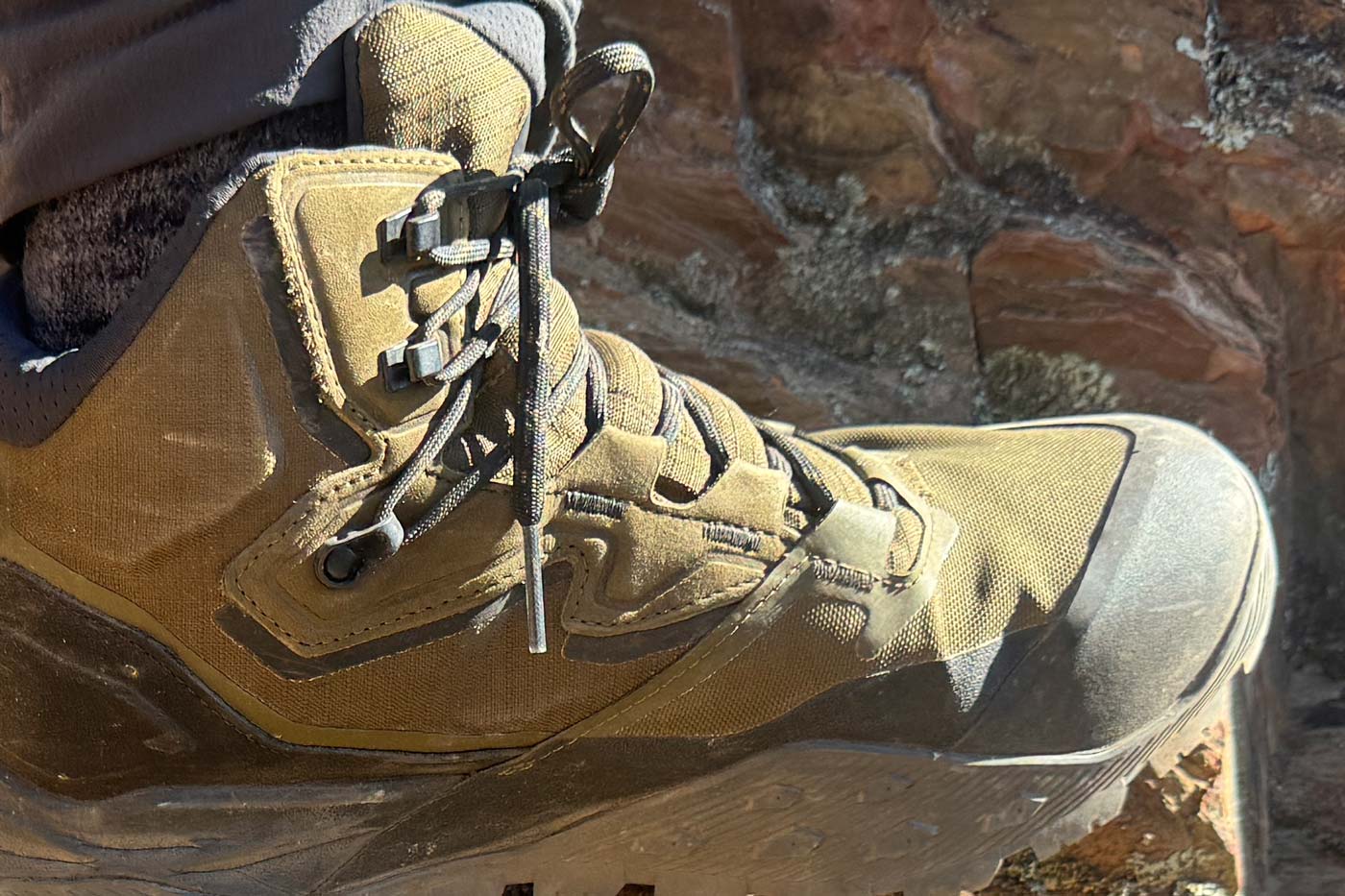
The lacing system combines ghillie-lace loops in the lower section with three metal eyelets towards the top, and there’s a lace-lock keeper point in the middle. This setup provides a reasonably secure fit and, in theory, allows you to adjust the lower and upper sections separately, although in practice that separation isn’t as clean or precise as systems with dedicated locking eyelets.
In practice, the fit felt solid and adequately locked down. Heel hold was good and I didn’t experience any slipping or hotspots on the longer outings. On descents, toe room felt adequate without excessive forward movement. I didn’t experience toe bang, but the fit is on the slightly snug side, so hikers with wider feet or those who prefer more room on long downhill sections may want to pay close attention to sizing. However, if I’m being honest, the lacing system lacks the level of fine-tuning precision you get from more technical setups with hooks running the full length. On long, steep descents where you really want to dial in heel lockdown, there’s a slight imprecision to it. It’s not a deal-breaker, but it’s noticeable.
The boot fits true to size with a comfortable forefoot. I’d describe the width as a standard to slightly snug fit, if you have a wider foot, I’d suggest trying them in-store before buying. Break-in time was relatively short. The padding in the collar and tongue is generous, and I was hiking comfortably within the first couple of outings.
Traction: good, but not exceptional everywhere
On dry ground and rocky surfaces, the Surface Control outsole with its 5mm lugs performed well. Grip was dependable across the range of dry surfaces I covered, and there was no obvious slipping or instability under load in those conditions.
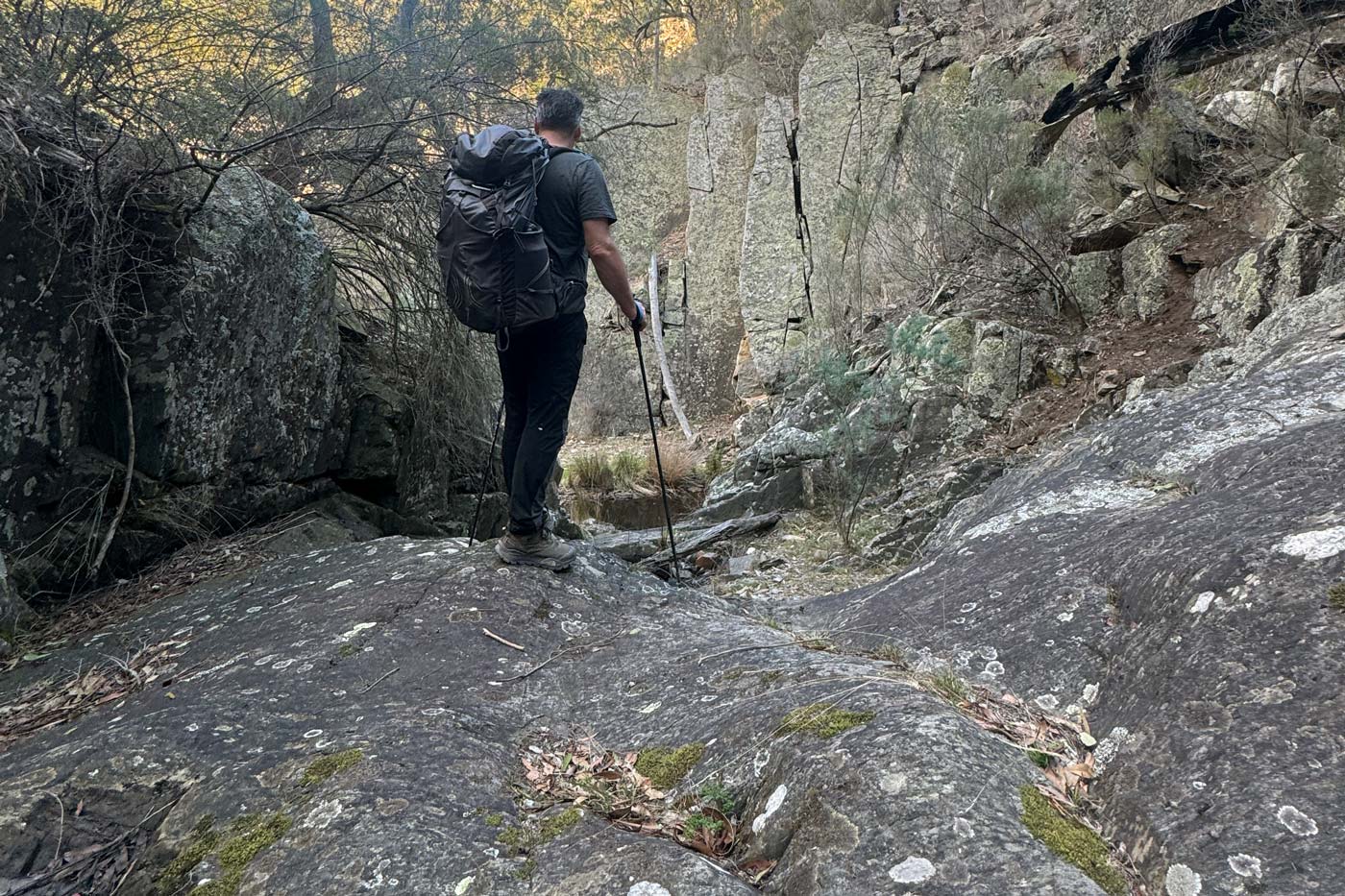
That said, when it comes to wet or slippery surfaces specifically, the traction didn’t clearly distinguish itself as exceptional. On wet rock especially, I found myself being thoughtful about foot placement in a way I might not have been in footwear with a softer, more aggressive compound. The outsole is clearly optimised for durability and versatility across a wide range of conditions, rather than maxing out grip on any particular surface. For most hikers on most trails, that’s a perfectly sensible trade-off. Just don’t expect these to feel like sticky rubber on wet slab.
In other words, on dry Australian terrain, which is where most hiking happens, the outsole performs well. It’s only when surfaces become wet or polished that its limitations can start to show.
Dust and trail conditions
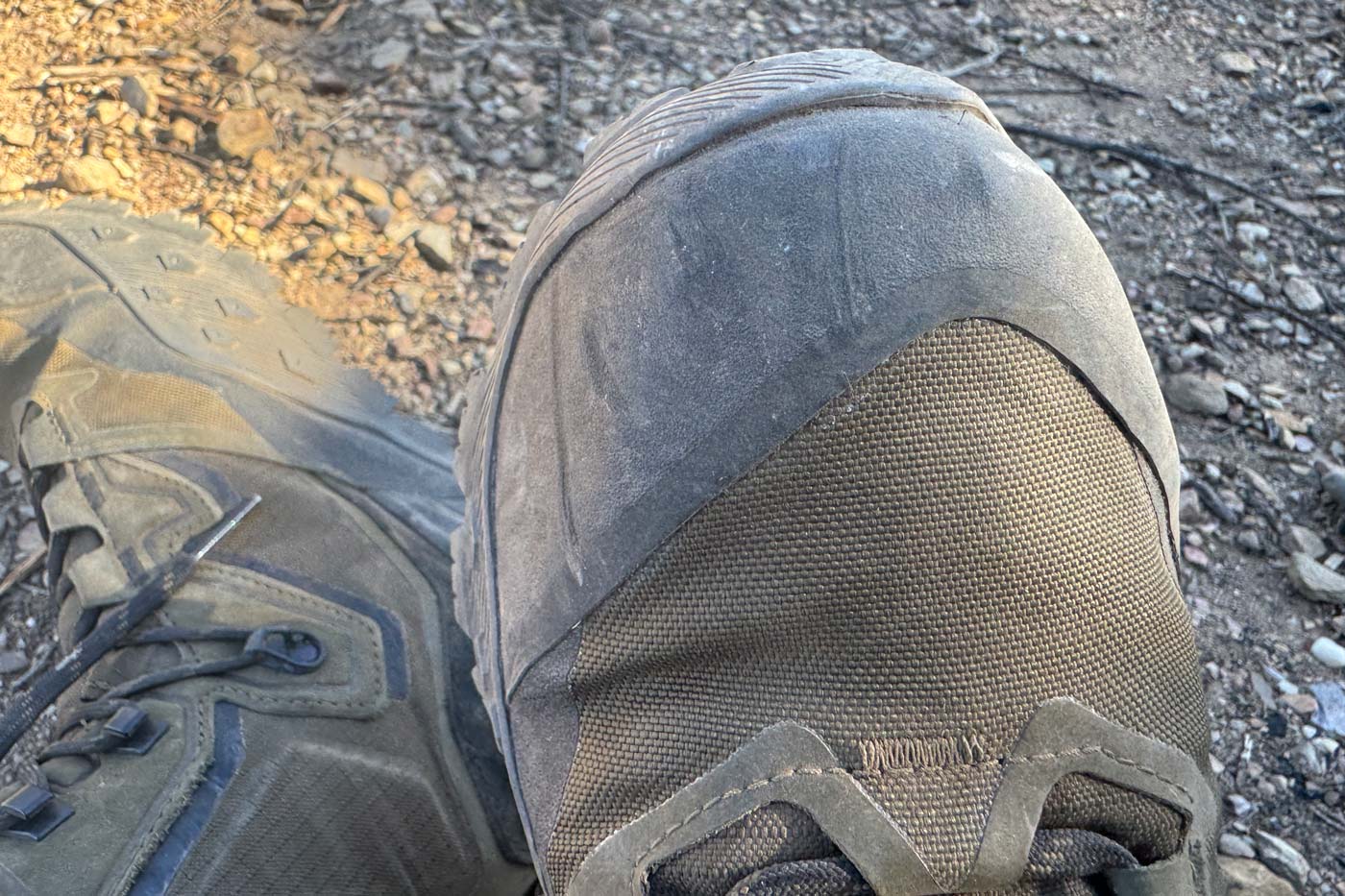
In dry Australian environments like the Brisbane Ranges, dust and fine debris are part of the equation. The upper did a good job of resisting dust ingress, and I didn’t notice any significant build-up inside the boot over the course of these hikes. The materials also cleaned up easily, with most of the dust brushing off once dry. It’s a small detail, but in consistently dry conditions, it contributes to overall comfort more than you might expect.
Trade-offs worth weighing
A few things are worth flagging. The breathability trade-off that comes with any waterproof boot applies here too, because the combination of the waterproof membrane and the reinforced upper retains heat during sustained movement. That’s a non-issue in cooler months or at higher altitudes, but during warmer Australian conditions it’s something you’re aware of.
The lacing system, while functional, would benefit from full-length metal hooks rather than loops at the lower section, since more precise foot lockdown on steep descents would make a real difference for technical hiking.
Traction on wet rock is adequate but not outstanding, which comes down to an outsole compound that favours durability over maximum wet-surface grip. That’s a fair choice for an all-round boot, but if you’re doing a lot of work on wet rocks or slippery surfaces, it’s worth factoring in.
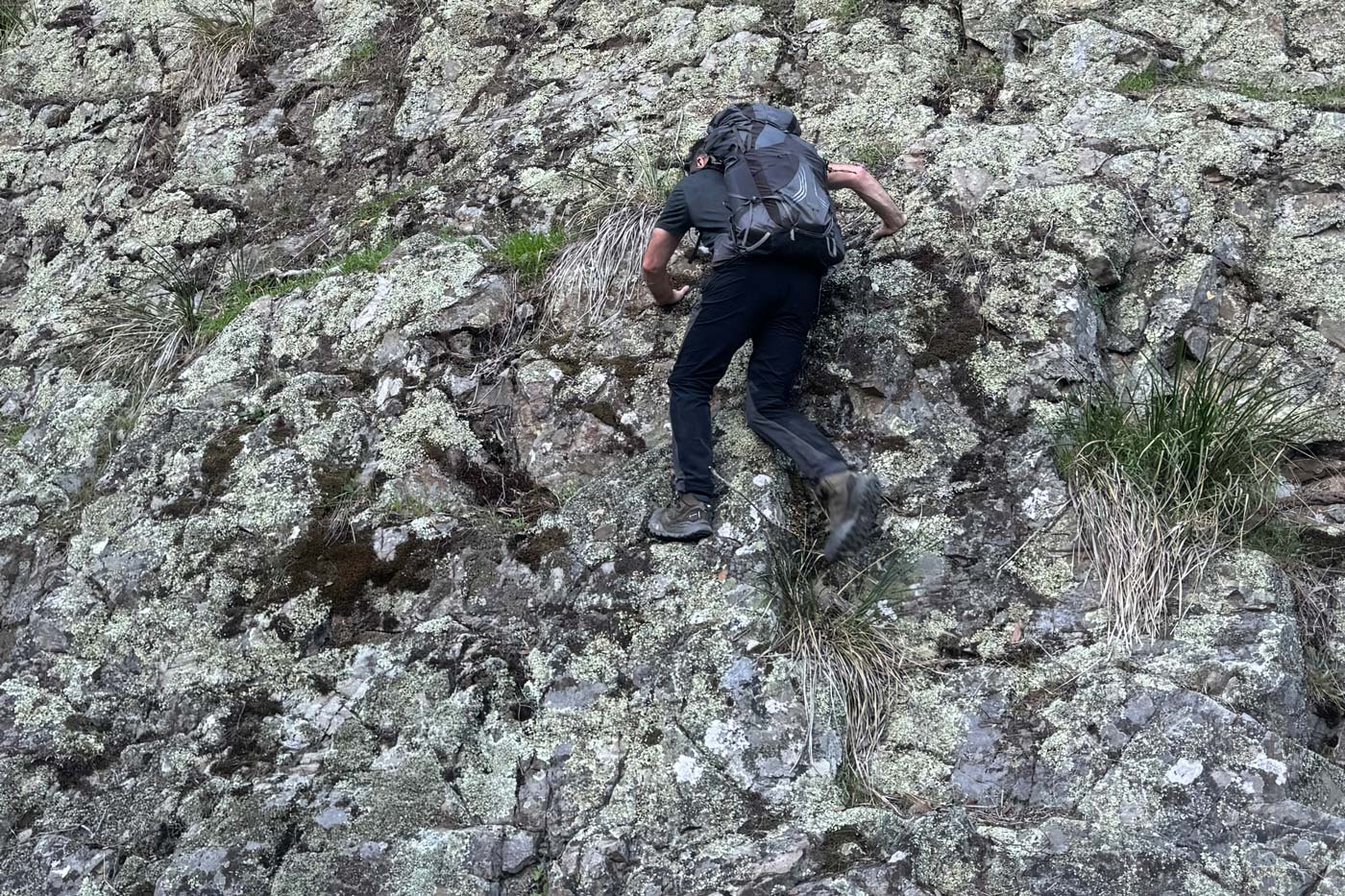
The North Face Offtrail Hike LT Mid GORE-TEX boots are a well-constructed, purposeful piece of footwear that perform best when the terrain gets serious. On rocky, uneven, off-track ground where protection, stability and waterproofing matter most, they genuinely deliver. If you’re heading into gorges, scrambly terrain, or anywhere with variable and unpredictable underfoot conditions, these boots will give you confidence.
The trade-off is that same protective build begins to feel like excess on easier trails or in warmer conditions. They’re a capable all-rounder, but the design leans towards protection and structure, which becomes most relevant once the terrain gets more demanding.
Things to consider
| Pros | Cons |
|---|---|
| Excellent stability and lateral support on rocky terrain | Runs slightly warm, breathability is a trade-off in Australian conditions |
| Solid GORE-TEX waterproofing, including at creek crossings | Lacing system lacks precision for fine heel lockdown on steep descents |
| Good underfoot protection via the SKYCORE rock guard | Traction on wet rock is acceptable but not standout in some conditions |
| Robust construction with quality materials | On the heavier, bulkier side for easy trails |
| Comfortable fit with relatively short break-in period | |
| Reliable traction on dry surfaces |
The verdict: If you hike regularly on technical, rocky, or off-track terrain and want a waterproof boot that will genuinely protect your feet without weighing you down like a traditional heavy boot, the Offtrail LT Mid GORE-TEX is worth serious consideration. On trickier terrain, these boots justify the price. They remain comfortable across a wide range of conditions, but their protective, waterproof build is best suited to more demanding terrain and cooler conditions.
Where to buy
The North Face Offtrail Hike LT Mid GORE-TEX Boots are available through The North Face Australia, as well as outdoor retailers including Anaconda, Bogong, and other stockists.
RRP: $330.00 AUD.
Technical Specifications
| Specification | Detail |
| Product Name | The North Face Offtrail Hike LT Mid GORE-TEX |
| Activity | Hiking |
| Style | Mid-cut boot |
| Upper | Cordura® ripstop nylon with overlasted forefoot design |
| Reinforcements | Nubuck leather, TPU overlays, ballistic rubber toe cap |
| Waterproofing | PFAS-free GORE-TEX membrane |
| Midsole/Protection | SKYCORE integrated rock guard |
| Outsole | Surface Control™ rubber; 5mm lugs; 10% rubber from regenerative smallholder farms |
| Heel/Forefoot | Rubber wraps for lateral stability and protection |
| Lacing | Ghillie-lace loops + 3 metal eyelets with lace-lock |
| Collar/Tongue | Comfort-padded with reinforced heel cup |
| Average Weight | 500g per shoe (men’s) |
| RRP (Australia) | $330.00 AUD |
| Leather Sourcing | 100% from Leather Working Group-certified tanneries |




Don’t get waterproof boots. Your feet get wet anyway. Gore-Tex boots will make your feet and socks stink and slow how quickly your boots and feet dry once they get wet.
You’re not wrong, it depends a lot on conditions and how you use them. Waterproof boots aren’t about keeping your feet dry in every situation. Once water gets in, they can hold moisture longer and dry slower, which is a real trade-off. Breathable footwear often makes more sense in consistently wet or creek-heavy terrain. Where waterproof boots tend to work well is in cooler conditions, wet vegetation, mud, or intermittent rain, where you’re dealing with external moisture rather than full immersion. Like most gear, it’s less about “good or bad” and more about matching it to the environment and how you hike.