Sorry, no records were found. Please adjust your search criteria and try again.
Sorry, unable to load the Maps API.
Explore stunning hiking trails of Walyunga National Park
Discover the diverse trails of Walyunga National Park, Western Australia, offering hikes and walks for all skill levels and interests. Find your perfect adventure today.
Discover 4 hiking trails in Walyunga National Park



Where the Swan River Tightens into Rapids and Rock
Overview
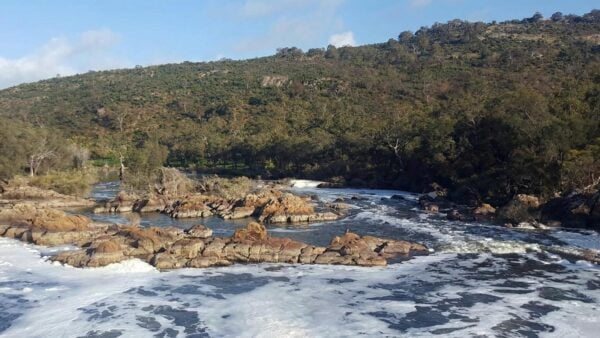
Walyunga National Park sits on the edge of the Darling Scarp, about 56km north-east of Perth, where the upper Swan River cuts through a steep, rocky valley. This is a compact park, but it has a strong sense of contrast, with broad pools in the warmer months giving way to fast-moving water and rapids in winter. The setting feels more rugged than many of the bush reserves closer to the city, with granite slopes, river flats and wooded ridges all packed into one stretch of country.
The park is also part of the transition between the Swan Coastal Plain and the uplands of the scarp, which helps explain its varied scenery. Creeks drain from the hills into the river, and the folds of the landscape create a mix of sheltered gullies, open slopes and river-edge flats.
Highlights
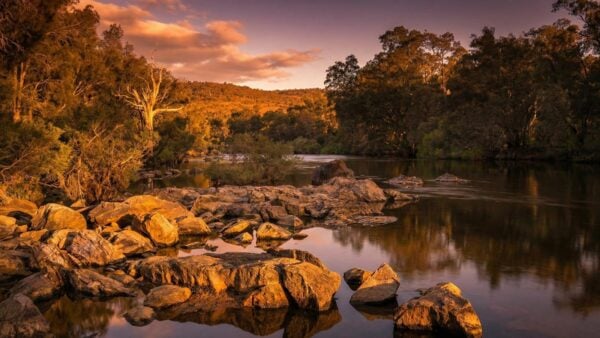
The defining feature here is the river valley itself. Walyunga is one of those places where the shape of the land does most of the work, with the scarp closing in around the river to create rocky banks, long pools and a chain of rapids. In winter, the change in water flow gives the park a very different character from the stiller conditions of summer.
Another standout is the mix of landforms in a relatively small area. Granite outcrops break through the hillsides, flooded gums line the watercourses, and higher ground opens out to wide views across the Swan and Avon valleys. That combination gives the park a strong scenic identity that feels distinctly different from the flatter country closer to Perth.
Best Time to Visit
Late winter and early spring are usually the best times to see Walyunga at its most vivid. This is when the river country is greener, wildflowers are at their best, and the contrast between the rocky slopes and the fresh growth across the park is strongest.
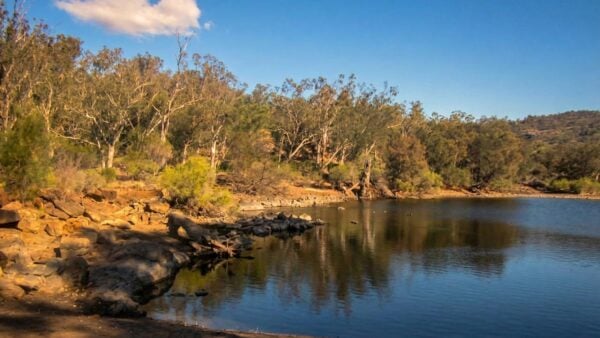
Season makes a real difference here. Summer tends to emphasise the still pools and dry, open bushland, while winter brings moving water and a more dramatic river landscape. If you are visiting mainly for scenery, the cooler months generally show off the park’s character more clearly.
Plants and Animals
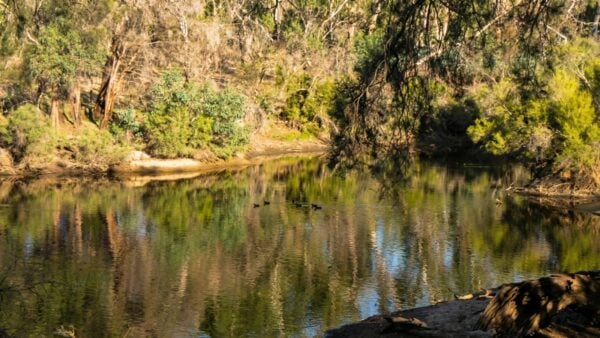
Walyunga supports a mix of vegetation shaped by its river valley setting and the slopes of the Darling Scarp. Wandoo and marri woodlands are a key part of the landscape, with flooded gums and paperbarks fringing the waterways. Elsewhere, the park includes granite outcrops with sheoak, as well as dryandra, grass trees, jarrah on the gravelly ridges and scattered zamia.
This range of habitats supports plenty of animal life. Western grey kangaroos, western brush wallabies and short-beaked echidnas are all recorded here, along with birds such as sacred kingfishers and grey fantails. Reptiles including shinglebacks and carpet pythons are also part of the park’s fauna.
Culture and Heritage
Walyunga has direct and specific cultural significance, with recognition of Whadjuk people as the Traditional Owners of the park. The area is also associated with a long Aboriginal history and is known as the site of one of the largest known Aboriginal camping grounds in the Perth region, with evidence of use extending back about 6000 years.
Find more places to explore…
Help expand the trail collection!
Know of an official trail not listed on Trail Hiking Australia? I’m focused on showcasing the best tracks managed by land managers, and I’d love your help! Sharing a trail adds to our community and helps others discover safe, new adventures.
Submit your trail here

