Sorry, no records were found. Please adjust your search criteria and try again.
Sorry, unable to load the Maps API.
Explore stunning hiking trails of Wallingat National Park
Discover the diverse trails of Wallingat National Park, New South Wales, offering hikes and walks for all skill levels and interests. Find your perfect adventure today.
Discover 6 hiking trails in Wallingat National Park
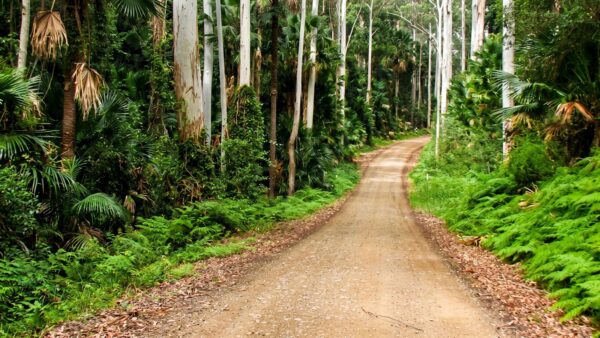

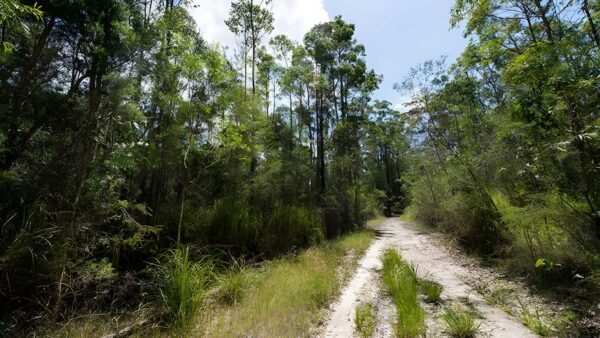


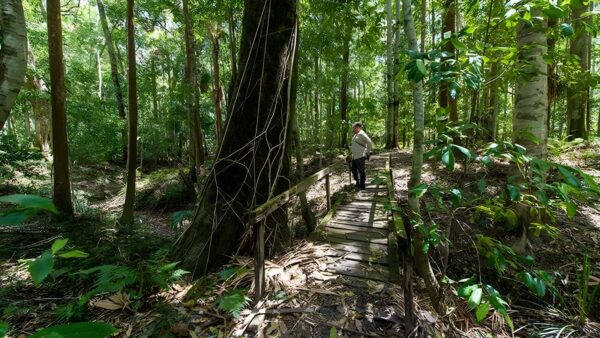



Coastal Forests and Wetlands Above Wallis Lake
Overview
Wallingat National Park sits on the western side of Wallis Lake on the NSW Mid North Coast, not far inland from Forster and Tuncurry. It covers 6,557 hectares and protects a broad sweep of coastal country where forest, swamp and creek systems meet the lake catchment. What gives the park its character is that contrast between ridgelines and low-lying wet ground, with the landscape shifting from tall moist forest and rainforest to drier woodland as you move through it.
This is also an important link in a wider chain of habitat between the coast and the inland ranges. The park’s forested catchments help support the headwaters of the Wallingat River and the wider Wallis Lake catchment, so its value is not only in the scenery but in the way the whole landscape functions.
Highlights
The big natural drawcard here is the mix of landforms packed into one relatively compact park. Broad lowlands follow the Wallingat River and its tributaries, while higher ridges rise in the east, giving the park a much more varied feel than the map first suggests.
Whoota Whoota Lookout is the standout scenic point, sitting around 250 metres above sea level and looking across the Forster-Tuncurry coastline and west towards the ranges near Bulahdelah. Elsewhere, the park’s appeal is quieter and more textured, with swampy flats, forested creeks, estuarine muds along the Wallingat River and large stands of cabbage palms in the Sugar Creek catchment shaping the scenery.
Best Time to Visit
Wallingat works well through most of the year. The climate is generally mild, with average temperatures ranging from about 12°C to 23°C, and the park receives around 1,200 millimetres of rain annually. In practice, that means the cooler months are often the most comfortable for longer days out, while warmer weather tends to suit anyone wanting to enjoy the river and lake setting as part of the experience.
Plants and Animals
One of Wallingat’s strengths is the sheer range of habitats it holds. Tall moist forest, swamp ecosystems, rainforest, dry forest and woodland all occur here, creating room for a rich mix of wildlife. The park is recognised as one of the more significant coastal forest reserves in north-eastern New South Wales, and that variety shows up in both the plant communities and the animals they support.
Cabbage palms are a distinctive feature, especially around Sugar Creek, and the park also supports many threatened species. Among the better known are glossy black-cockatoos, powerful owls, masked owls, sooty owls, koalas, yellow-bellied gliders, Parma wallabies and the wallum froglet. More than 200 bird species have been recorded here, which helps explain why the park has such a strong reputation for birdwatching.
Culture and Heritage
Wallingat National Park lies within the country of the Worimi Nation and forms part of the identity, spirituality and resource base of local Aboriginal people. The wider landscape around the park was significant before European settlement, and the park remains culturally important today.
Recorded Aboriginal sites within the park are limited, and comparatively little was written down about cultural traditions connected specifically to this area in the early colonial period. Even so, the park is recognised as a place of ongoing Aboriginal cultural value, with management of that heritage carried out in partnership with local Aboriginal people through the Forster Local Aboriginal Land Council and other representatives.
Find more places to explore…
Help expand the trail collection!
Know of an official trail not listed on Trail Hiking Australia? I’m focused on showcasing the best tracks managed by land managers, and I’d love your help! Sharing a trail adds to our community and helps others discover safe, new adventures.
Submit your trail here

