Sorry, no records were found. Please adjust your search criteria and try again.
Sorry, unable to load the Maps API.
Explore stunning hiking trails of Waite Conservation Reserve
Discover the diverse trails of Waite Conservation Reserve, South Australia, offering hikes and walks for all skill levels and interests. Find your perfect adventure today.
Discover 2 hiking trails in Waite Conservation Reserve
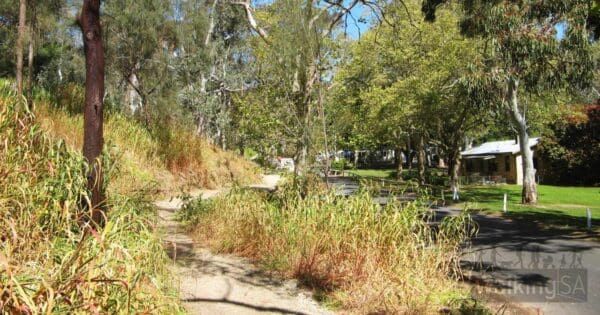

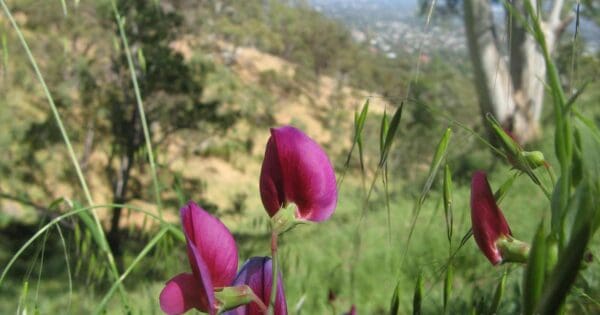
Grey Box Woodland on Adelaide’s Hills Face
Overview
Waite Conservation Reserve protects 121 hectares of bushland on the Adelaide Hills Face, close to the city and within the Waite campus precinct. Established in 1992, it was set aside to protect remnant native vegetation and support scientific research, with most of the reserve secured under Heritage Agreement. That mix of conservation and long-term study gives the place a slightly different feel to many suburban reserves. It is both a patch of surviving bush and a living reference point for how the Adelaide foothills once looked.
What makes it especially important is its Grey Box Grassy Woodland. This is one of the best surviving examples of that vegetation type in the Adelaide Hills, and one of the largest remaining examples in South Australia. In a city-edge setting where so much native woodland has been cleared or altered, that gives the reserve real ecological weight.
Highlights
The character of the reserve comes from open woodland rather than dramatic peaks or cliffs. Grey box trees spread across broad slopes and gullies, creating a landscape with a distinctly Adelaide foothills feel: dry, open, textured and full of small changes in aspect and vegetation as the ground rises and dips.
There is also strong scenic contrast within the reserve itself. Grey Box Grassy Woodland dominates much of the area, while wetter gullies and shadier south-facing slopes support river red gums. That shift between open woodland and more sheltered pockets gives the landscape variety without changing its quiet, understated character.
Best Time to Visit
The cooler months are generally the most comfortable time to be here, especially from autumn into spring, when walking through the hills face country is more pleasant and the reserve’s grassy woodland is at its best. Spring is also a rewarding time for seeing the reserve’s plant diversity, including native herbs and wildflowers among the woodland structure.
Because this is an urban-edge reserve rather than a high-altitude park, summer heat can make the exposed slopes feel harsh in the middle of the day. Earlier in the day tends to suit the setting better if you are visiting in warmer weather.
Plants and Animals
Grey box is the defining tree here, shaping the reserve’s main vegetation community. More than 550 plant species have been recorded, and a number of species hold conservation status in the Southern Lofty region. The blue devil, a spiny native herb with conservation status, is one of the better known plants associated with the reserve.
The reserve also supports a good spread of native animal life for a bushland area so close to Adelaide. Kangaroos, koalas and echidnas are all part of the resident fauna, along with birds, reptiles, butterflies and other smaller woodland species. The value of the place lies not just in single sightings, but in the fact that this remnant woodland still functions as habitat for a wide range of native plants and animals.
Find more places to explore…
Help expand the trail collection!
Know of an official trail not listed on Trail Hiking Australia? I’m focused on showcasing the best tracks managed by land managers, and I’d love your help! Sharing a trail adds to our community and helps others discover safe, new adventures.
Submit your trail here

