Sorry, no records were found. Please adjust your search criteria and try again.
Sorry, unable to load the Maps API.
Explore stunning hiking trails of Wail State Forest
Discover the diverse trails of Wail State Forest, Victoria, offering hikes and walks for all skill levels and interests. Find your perfect adventure today.
Discover 2 hiking trails in Wail State Forest

Where River Red Gums Meet the Desert Edge
Overview
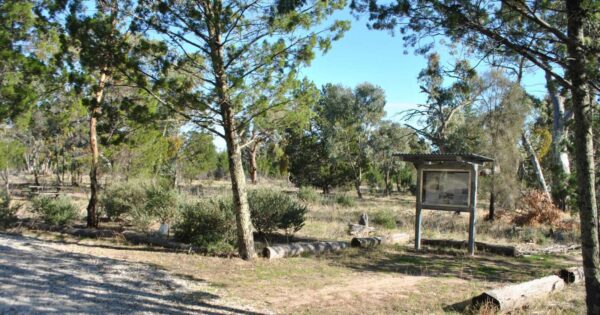
Wail State Forest sits north-west of Horsham on the edge of the Little Desert, following the eastern side of the Wimmera River for about 12 kilometres. That setting gives it a distinct feel within the Wimmera: part river country, part dry woodland, with native bush stretching back from the water into sandy, open forest.
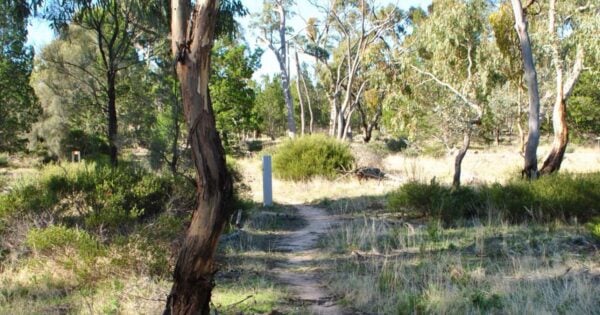
The contrast between river flats and drier inland country shapes the whole place. Along the Wimmera there are River Red Gum and Black Box communities, while further east the vegetation shifts toward Desert Stringybark woodland and open heath.
Highlights
The standout feature here is the meeting of very different landscapes in a relatively compact area. The Wimmera River brings a greener, more sheltered character to parts of the forest, while the surrounding woodland has the lighter, more open feel of the desert fringe.
Scenically, Wail is defined less by big elevations than by subtle changes in country: winding river bends, red gum-lined banks, pockets of swampy ground, and stretches of open woodland with cypress pine, yellow gum and stringybark. In places, the vegetation opens enough to give a broad sense of the Wimmera plains around it.
Best Time to Visit
Spring is an especially rewarding time to be here, when wildflowers come through the open woodland and shrub layer. Orchids, lilies, daisies, heaths, correas, tea-tree and banksias all add colour, and the contrast between flowering understory and the dry woodland setting is one of Wail’s real strengths.
Outside spring, the cooler months generally suit walking best. The river corridor and woodlands still give the forest plenty of character, but the milder weather makes it easier to enjoy the quieter detail of the place rather than just passing through it.
Plants and Animals
Wail supports a mix of riverine forest, red gum and black box woodland, Desert Stringybark woodland, open heath and swampy patches, which creates varied habitat across the forest. Around the river and swamps, bird habitat is particularly important, and the Wimmera corridor also acts as a movement route for wildlife.
The plant life is one of the strongest reasons this forest matters. White Cypress-pine occurs here, and the surrounding planning area supports a high number of native plant species, including many that are considered rare or threatened in Victoria. Spring brings some of the most visible displays, but the diversity is built into the structure of the forest year round, from the ground-layer wildflowers through to the open woodland canopy.
Culture and Heritage
Wail State Forest has a direct and specific connection to the Wotjobaluk people. Along the Wimmera River and nearby woodland plains, this was a place of food, water and shelter, and there are numerous cultural sites in the forest including scar trees, middens and surface scatters.
Find more places to explore…
Help expand the trail collection!
Know of an official trail not listed on Trail Hiking Australia? I’m focused on showcasing the best tracks managed by land managers, and I’d love your help! Sharing a trail adds to our community and helps others discover safe, new adventures.
Submit your trail here

