Sorry, no records were found. Please adjust your search criteria and try again.
Sorry, unable to load the Maps API.
Explore stunning hiking trails of The Rock Nature Reserve
Discover the diverse trails of The Rock Nature Reserve, New South Wales, offering hikes and walks for all skill levels and interests. Find your perfect adventure today.
Discover 2 hiking trails in The Rock Nature Reserve
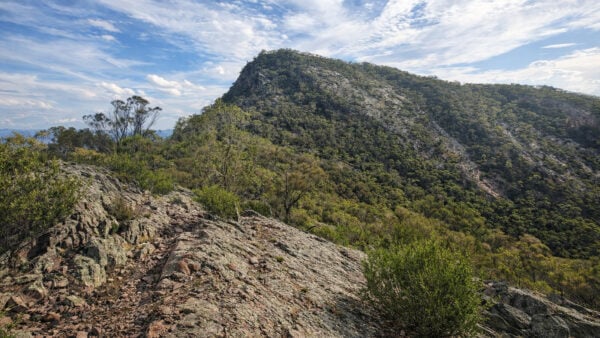

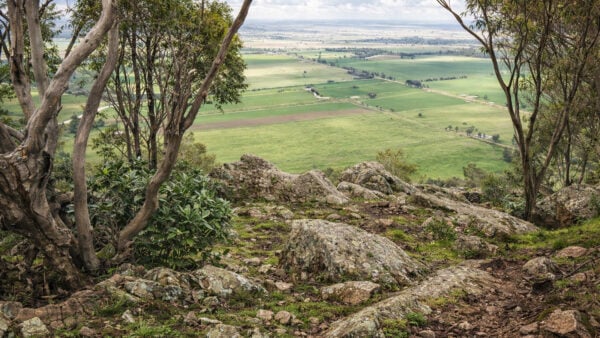

Granite Ridge Country at Kengal
Overview
The Rock Nature Reserve sits in the southern Riverina, about 6km west of the township of The Rock and within easy reach of Wagga Wagga. It protects 340.7 hectares centred on a striking rocky rise known as The Rock, or Kengal, which lifts 364m above the surrounding plains and gives the reserve its strong sense of place.
What makes this reserve stand out is the meeting of landforms. It lies on the boundary between the Riverine Plain and the western slopes of the Eastern Highlands, so even though it is relatively small, it holds a surprising mix of landscapes and habitats.
Highlights
The defining feature here is the long north to south hogback ridge, with The Rock forming its highest point at the northern end. In a district better known for open plains and farmland, that abrupt rise creates a dramatic change in scale and shape, with broad views across the Riverina and, in very clear conditions, all the way towards the Victorian Alps and Mount Kosciuszko.
The geology is a big part of the reserve’s character. The Rock is one of the few remaining outcrops of Devonian-age sediments in the region, and its uplifted form gives the landscape a rugged, sculptural feel that is unusual for this part of New South Wales.
Best Time to Visit
Cooler months are generally the most comfortable time to spend time here, especially if you want clear air and longer views across the plains. Spring is also a good period, with seasonal wildflowers adding interest to the woodland and rocky slopes.
Plants and Animals
This reserve acts as an island of native habitat in a largely cleared farming landscape, which helps explain why it supports a rich spread of wildlife for its size. Nearly 100 bird species have been recorded here, and the mix of habitats makes it a rewarding place for birdlife in particular.
Among the more notable species are the vulnerable turquoise parrot and glossy black-cockatoo. The reserve is also important for the vulnerable shrub Senecio garlandii, which has a very restricted distribution and reaches its largest known population here.
Culture and Heritage
Kengal is a place of deep cultural importance for Wiradjuri people and has been recognised in the reserve’s dual name since 2005. It is described as a Dreaming place, lookout and ceremonial site, with a cultural presence that extends back many generations.
The reserve also carries layers of more recent history. Early Europeans knew the feature as “The Hanging Rock†because of an overhang on its eastern face, and from the late 19th century the lower slopes were quarried for road base and railway ballast.
Find more places to explore…
Help expand the trail collection!
Know of an official trail not listed on Trail Hiking Australia? I’m focused on showcasing the best tracks managed by land managers, and I’d love your help! Sharing a trail adds to our community and helps others discover safe, new adventures.
Submit your trail here

