Sorry, no records were found. Please adjust your search criteria and try again.
Sorry, unable to load the Maps API.
Explore stunning hiking trails of Plenty Gorge Parklands
Discover the diverse trails of Plenty Gorge Parklands, Victoria, offering hikes and walks for all skill levels and interests. Find your perfect adventure today.
Discover 1 hiking trail in Plenty Gorge Parklands
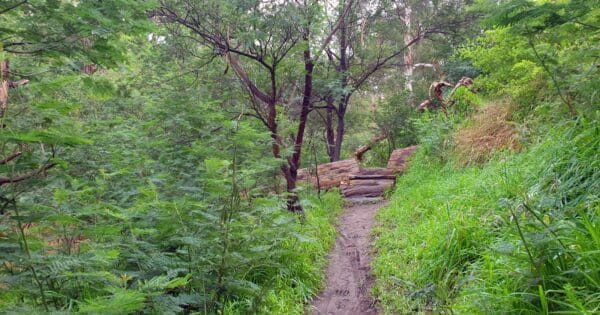

Where the Plenty River cuts through Melbourne’s northern basalt plain
Overview
Plenty Gorge Parklands sits about 20 kilometres north of Melbourne, following the Plenty River through a surprisingly rugged stretch of country on the city’s edge. What makes it stand out is the contrast in the landscape. The river marks a boundary between basalt country to the west and older sedimentary rock to the east, and that shift creates a mix of landforms, vegetation communities and wildlife habitat that feels quite distinct from many other parks around Greater Melbourne.
The gorge itself is one of the park’s defining features, with the river carving through steep-sided country and creating a landscape of cliffs, pools, woodlands, forests and wetland pockets. Even though suburbs now press in around much of the park, it still holds important habitat for threatened and regionally significant species and retains a strong sense of separation from the surrounding urban area.
Highlights
The standout feature here is the gorge formed by the Plenty River, which reaches about 75 metres deep in places and gives the park much of its character. Steep slopes, rocky cliff faces and the winding river create a landscape that feels more dramatic than most people expect this close to Melbourne.
Another distinctive part of the park is the meeting of two very different geological worlds. Basalt plains on one side and sedimentary country on the other shape the look of the land as well as the vegetation it supports. Wetland areas add another layer again, while Blue Lake is known for its turquoise colour at certain times of year and for the pink tones that can show up on the cliffs around it late in the day.
Best Time to Visit
Plenty Gorge Parklands works well through much of the year, but the most comfortable times are usually autumn and spring, when milder temperatures make it easier to appreciate the open grasslands, river country and wetland edges. Spring is especially rewarding for birdlife and fresh growth, while the lower sun in the cooler months can bring out more definition in the cliffs and folds of the gorge.
Summer can still be a good time to see the contrast between the dry basalt plains and the greener pockets along the river, though the landscape is generally at its gentlest and most varied after cooler-season rain.
Plants and Animals
This park is important because of the range of habitats packed into one corridor. Basalt plains, sedimentary slopes, woodlands, forests, wetlands and the river itself support a high diversity of native life, making the area one of Greater Melbourne’s more significant refuges for threatened and regionally important species.
Kangaroos are a familiar sight, and the wetlands draw many migratory birds. Across the park, more than 200 bird species have been recorded, along with animals such as wallabies, echidnas and a variety of reptiles. In wetland areas, reedy vegetation, frogs and waterbirds are all part of the picture, while some of the more difficult gorge terrain has helped preserve patches of original vegetation.
Culture and Heritage
Plenty Gorge Parklands forms part of an Aboriginal cultural landscape in the traditional Country of the Wurundjeri Peoples, with a continuing connection between Traditional Owners and these lands and waters. The park also carries layers of more recent history, including the Le Page Homestead and outbuildings, which reflect the farming period of the 1860s and 1870s. Some original fruit trees still remain around the homestead gardens.
Find more places to explore…
Help expand the trail collection!
Know of an official trail not listed on Trail Hiking Australia? I’m focused on showcasing the best tracks managed by land managers, and I’d love your help! Sharing a trail adds to our community and helps others discover safe, new adventures.
Submit your trail here