Sorry, no records were found. Please adjust your search criteria and try again.
Sorry, unable to load the Maps API.
Explore stunning hiking trails of Katherine
Discover the diverse trails of Katherine, Northern Territory, offering hikes and walks for all skill levels and interests. Find your perfect adventure today.
Discover 1 hiking trail in Katherine
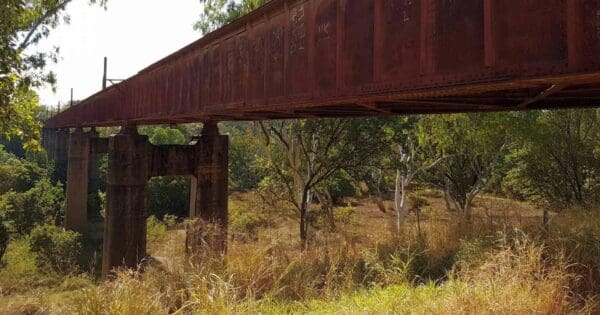

Sandstone Gorges and Escarpments of Nitmiluk
Overview
Nitmiluk National Park lies in the Katherine region, about 320km south of Darwin and just 30km north-east of Katherine. This is a big, varied park rather than a single gorge stop, with the Katherine River cutting through ancient sandstone to form Nitmiluk Gorge and a second main area around Leliyn (Edith Falls). The country shifts between sheer escarpments, broad valleys, river systems and pockets of greener creekline habitat, which is why the park feels so different from one section to the next.
The best-known landscape here is Nitmiluk itself, a 13-gorge system carved by the Katherine River. Towering sandstone walls, narrow waterways and broken escarpment country give the park its strong sense of scale, while smaller gullies and springs soften it with patches of dense monsoon vegetation.
Highlights
The defining feature is the gorge country: long sandstone corridors, high cliffs and a river that threads through them in a series of separate reaches. It is a landscape shaped as much by contrast as by size, with hard stone country above and shaded green pockets tucked into cracks and side gullies below.
Beyond the main gorge, the park also protects broad lowland woodlands, river flats, wetlands and the escarpment country stretching towards Leliyn. That mix gives Nitmiluk a wider scenic range than many Top End parks, from steep rock faces and lookouts to paperbark-fringed water and more open country around the park’s northern section.
Best Time to Visit
The cooler dry season, roughly from May to September, is usually the most comfortable time to spend time in this part of the Top End. Clearer skies, lower humidity and milder daytime temperatures make it easier to appreciate the scale of the gorge country and the contrast between the river, escarpments and surrounding bush.
Earlier in the dry, the park still carries some of the freshness left by the wet season. Later in the season, the stone country tends to look barer and more exposed, which can make the geology and escarpment lines stand out even more.
Plants and Animals
Nitmiluk protects five main habitat types: sandstone shrubland country, monsoon rainforest patches, rivers and wetlands, woodlands, and forests. The sandstone country is especially important for plant life, with species linked to the Arnhem Land plateau and shrubland communities that are recognised as nationally threatened.
The gorges also shelter small monsoon rainforest patches where springs and soaks provide refuge in an otherwise strongly seasonal landscape. Across the park, 391 native vertebrate species have been recorded, including 206 birds, 44 mammals, 78 reptiles, 25 amphibians and 38 fish, so the change from escarpment to wetland to woodland is reflected in the wildlife as well.
Culture and Heritage
Nitmiluk National Park is on Jawoyn country, and that connection is inseparable from the place itself. The park includes rock art sites, follows ancient songlines and remains a living cultural landscape where Jawoyn people continue to live, work and maintain connection to country.
The park is jointly managed, with Jawoyn Traditional Owners working alongside park staff through the Nitmiluk Board. That continuing role shapes how the place is cared for and helps keep cultural sites and stories central to the park rather than treated as an added extra.
Find more places to explore…
Help expand the trail collection!
Know of an official trail not listed on Trail Hiking Australia? I’m focused on showcasing the best tracks managed by land managers, and I’d love your help! Sharing a trail adds to our community and helps others discover safe, new adventures.
Submit your trail here

