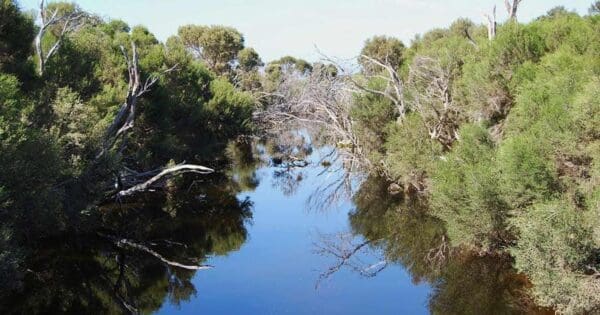
Lagoon, headlands and the wild south coast of Kangaroo Island
Overview
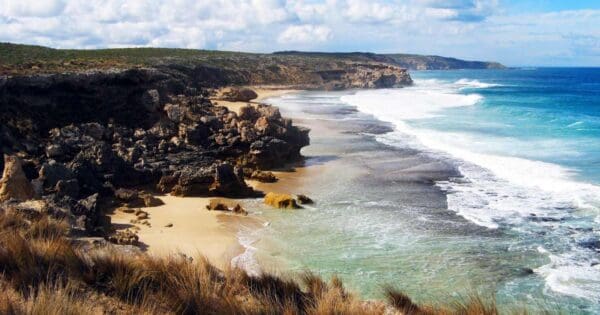
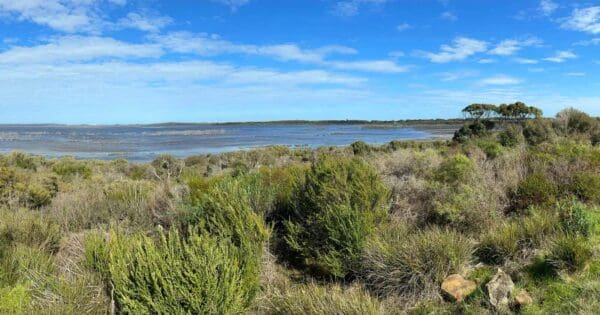
Cape Gantheaume Conservation Park sits on the south coast of Kangaroo Island, south-west of Kingscote, where a long stretch of protected shoreline meets one of the island’s biggest unbroken natural areas. It adjoins the Cape Gantheaume Wilderness Protection Area and links with nearby protected country to form an important block of habitat. The park is especially known for its mix of surf coast, sheltered bays, heath and wetland country around Murray Lagoon.
Highlights
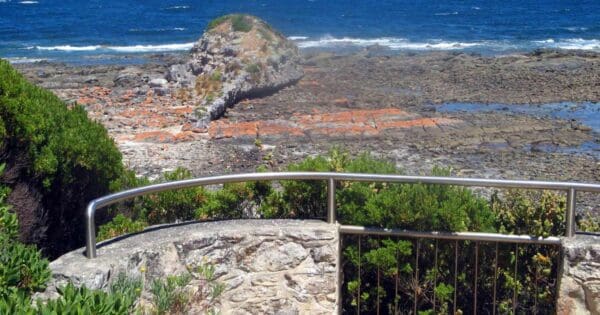
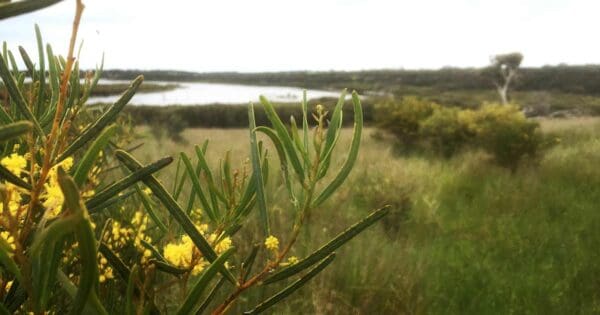
The scenery here has a broad, open feel to it. D’Estrees Bay curves along a quieter section of coast, while Cape Gantheaume itself marks a more exposed edge facing the Southern Ocean. Murray Lagoon adds another layer to the landscape, bringing still water and low-lying wetland country into a park otherwise shaped by wind, dunes and sea. Around Point Tinline and the south coast lookouts, the contrast between calm inland waters and the rougher outer coast is part of what makes this area memorable.
Best Time to Visit
Spring is a particularly rewarding time to be here, when the heath and coastal vegetation are usually at their freshest and birdlife around the lagoon and wetlands is active. The cooler months also tend to suit longer days out in this exposed part of Kangaroo Island. If you are here in winter through to early spring, the coast around Point Tinline can also be a good place to watch for southern right whales offshore.
Plants and Animals
This park is important for biodiversity, with a large, continuous stretch of native vegetation that supports a range of rare and threatened species. The combination of coastal habitats, wetlands and adjoining bushland gives animals room to move between very different environments rather than being confined to isolated pockets.
Wildlife you may notice in the broader park area includes shore and seabirds, wetland birds around Murray Lagoon, and coastal species such as long-nosed fur seals along the more isolated shoreline. The variety comes from the landscape itself, from salt-lashed headlands and beaches to sheltered lagoon edges and dense vegetation inland.
Culture and Heritage
D’Estrees Bay holds one of the park’s best documented heritage places, with a registered whaling site and threshing floor that reflect the working history of this coast in the nineteenth and early twentieth centuries. These remnants sit within a much older natural landscape and give part of the park a more layered story than its quiet appearance first suggests.