Adventure photography is about more than technical settings or expensive gear. It’s about awareness, preparation, and learning how to see the outdoors differently while moving through it safely.
Rather than focusing on camera controls, this guide looks at the often overlooked aspects of photographing adventures in natural environments, the elements that tend to make the biggest difference once you’re out there. Most of what I’ve picked up came from time on the trail rather than time reading manuals, so that’s the angle I’m writing from.
Learn from others
One of the most effective ways to grow as an adventure photographer is to study the work of people who spend a lot of time outdoors. Looking closely at how others use light, composition, and timing can help you develop your own visual language.
Online platforms and books make it easier than ever to observe different approaches, but the real value comes from asking why an image works, not just admiring the result. I still do this myself, going back to photographers whose work I know well and working out what they did differently on a given shot rather than just enjoying it.
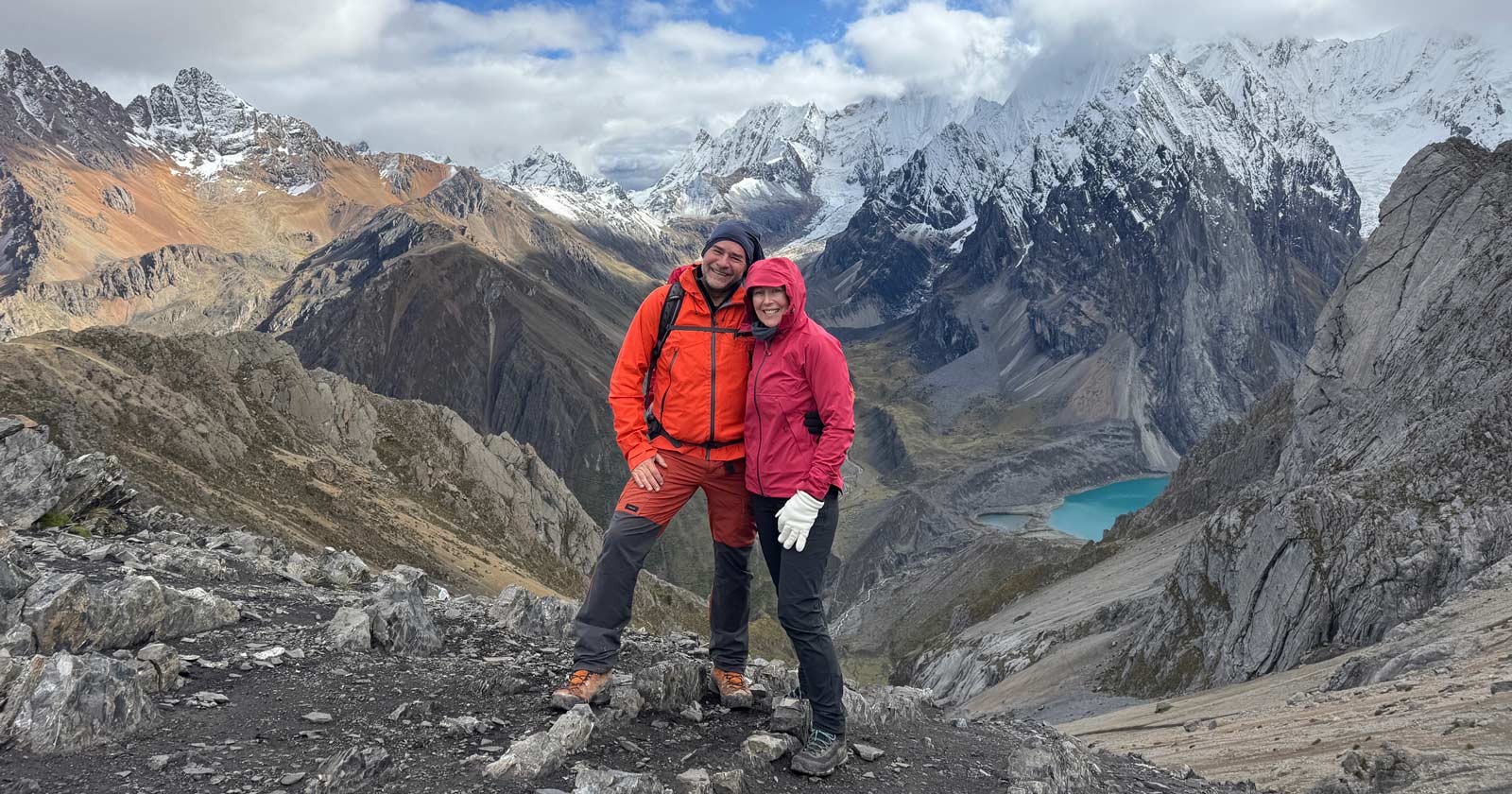
Know your equipment
Modern cameras are more than capable of producing high-quality images. What matters most is understanding how your own equipment behaves in the field.
Take the time to learn how your camera responds in low light, changing weather, and fast-moving situations. Familiarity builds confidence, and confidence means you’re more likely to capture a moment when it appears unexpectedly. I’d rather carry one camera I know inside out than a bag full of gear I’m still getting used to.
The goal is not to carry more gear, but to make the most of what you already have.
Be prepared before you head out
Preparation is just as important for photography as it is for hiking. Make sure your gear is clean, charged, and accessible before you need it.
Batteries drain faster in cold conditions, memory cards fill quickly on longer trips, and fumbling with equipment in poor weather can mean missed opportunities. A simple pre-trip check can save a lot of frustration later, and it’s a habit worth building even when you’re confident you packed everything last time.
When conditions allow, keeping your camera accessible rather than buried in a pack makes it far more likely you’ll actually use it.
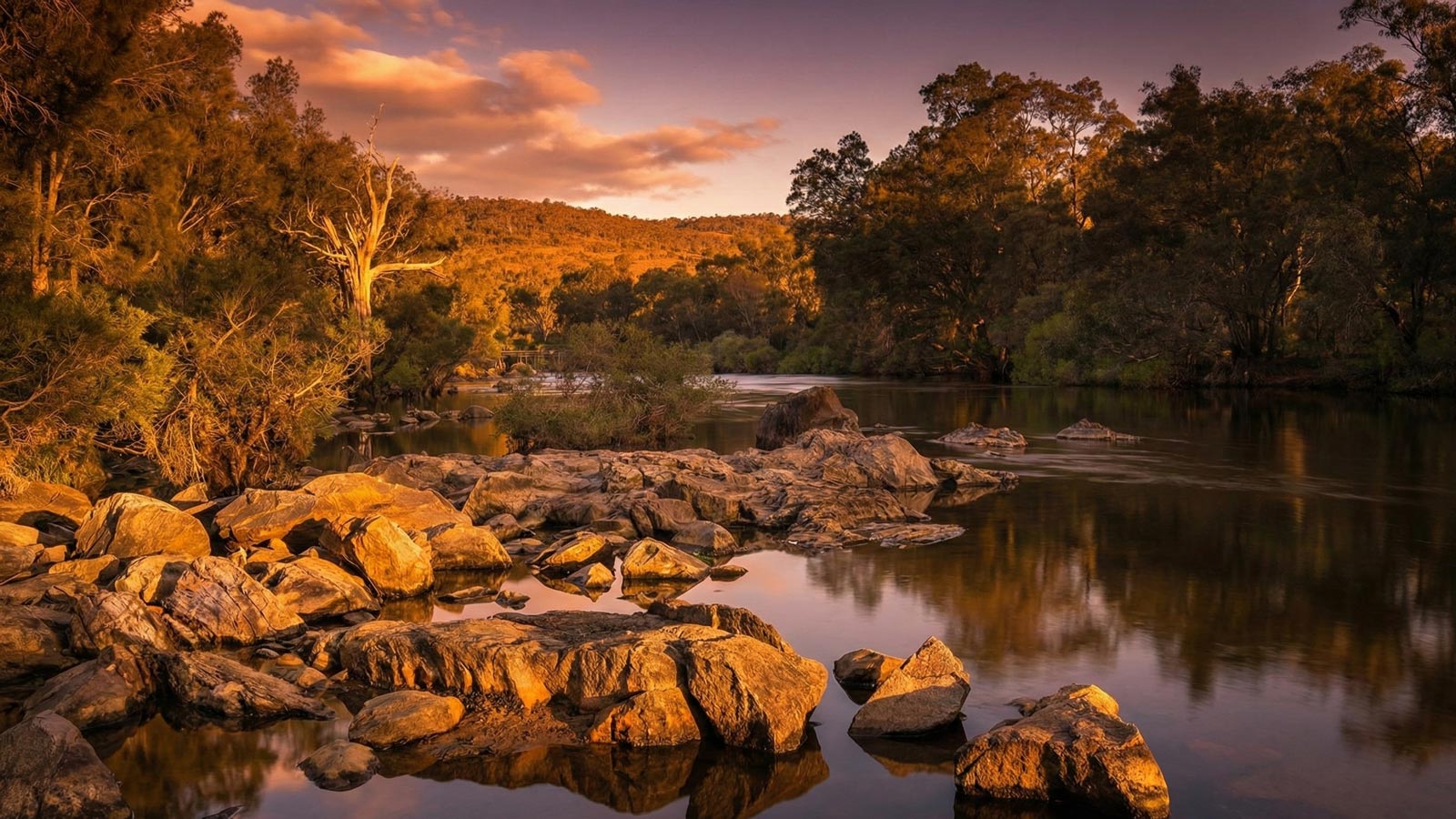
Understand light and weather
Good adventure photography is closely tied to environmental awareness. Knowing how light changes throughout the day, how weather systems move, and how terrain affects conditions will improve both your safety and your images.
Early mornings and late afternoons often offer the most interesting light, but they also require planning. Knowing sunrise and sunset times, weather forecasts, and local conditions helps you anticipate moments rather than react to them. I plan around this more than I plan around composition, because you can’t compose a shot that never happens.
Photography should never compromise safety. Sometimes the most dramatic conditions are also the most dangerous.
Pay attention to the details
After a long trip, it can be surprisingly difficult to remember the small details that give context to an image. Keeping brief notes during or after a walk can be invaluable when reviewing photos later.
Details such as locations, conditions, and the story behind an image help turn a photograph into something more meaningful, especially if you plan to share it or write about the experience. I’ve gone back through photos months later and had no idea where I took them without a note to jog my memory.
Choose the right people to adventure with
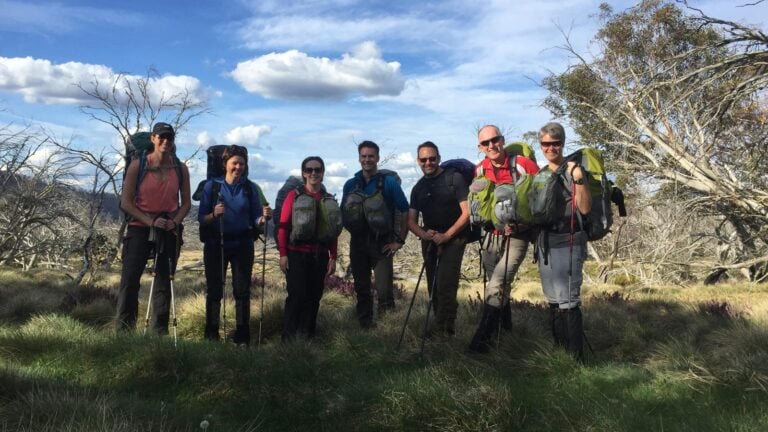
While solo trips have their place, sharing adventures with like-minded people can open up new photographic opportunities. When everyone understands the pace, conditions, and goals of a trip, it’s easier to spend time waiting for light or revisiting a location.
Collaboration often leads to stronger outcomes, both in the experience itself and in the images that come from it. Walking with people who don’t mind stopping for ten minutes while you wait on a cloud to move makes a real difference to what you come home with.
Share your work thoughtfully
Photography is a form of storytelling. Sharing images with others, whether informally or through a personal platform, helps you reflect on your work and grow.
Feedback can be valuable when it’s constructive, and revisiting older images often highlights how much you’ve improved over time. Focus on sharing images that tell a story, not just those that document a place.
There’s no shortcut to becoming a strong adventure photographer. Time spent outdoors, learning to read conditions, and developing patience matters far more than learning any single technique. The mountains, forests, coastlines, and deserts you walk through are your classroom, and the more time you spend in them, the more naturally photography becomes part of the adventure.