What is Ultra-Dry Down?
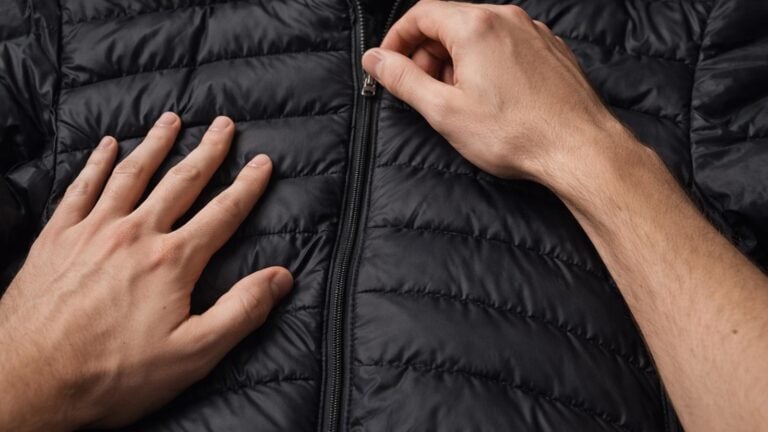
Down remains the most efficient insulation for warmth relative to weight, and it’s durable when properly cared for, but its one real weakness is moisture. When down gets damp, the clusters lose loft, which means less insulation and a much longer drying time. That’s the problem Ultra-Dry Down is built to address. It’s down insulation treated with a water-repellent finish, applying a hydrophobic polymer to individual down clusters so they resist moisture while keeping their natural loft and compressibility. You’ll mostly find it in sleeping bags and insulated clothing, where managing condensation and humidity is part of the job the insulation has to do.
How the treatment actually works
The water-repellent finish causes moisture to bead and shed rather than soak into the down. In practice, that helps the insulation retain loft for longer in humid or damp conditions, dry faster than untreated down, and perform more consistently when it’s exposed to condensation inside a tent. The treatment is applied at a microscopic level, so it doesn’t meaningfully affect the weight, compressibility, or initial loft of the down itself, which is part of why it’s become a fairly standard feature rather than a premium add-on.
Where it actually helps, and where it doesn’t
Ultra-Dry Down does its best work when down is exposed to light moisture rather than full saturation, which covers most of the situations that actually come up on a trip: overnight condensation inside a tent, high humidity environments, and multi-day trips where there isn’t much opportunity to properly dry gear between days.
What it doesn’t do is make down waterproof. In prolonged wet conditions, or if a sleeping bag gets properly soaked, treated down will still lose loft and insulation, just as untreated down does. That means shelter choice, campsite selection, and general moisture management still matter as much as they ever did. The treatment buys you a wider margin before problems start, not immunity from them.
What the moisture resistance and drying gains actually amount to
Manufacturers report that Ultra-Dry Down absorbs less moisture than untreated down, retains loft for longer once damp, and dries faster once moisture is present. Those figures come from controlled testing, so I’d treat them as a reasonable indication of the direction and scale of the improvement rather than a guarantee of how the insulation will behave on a specific trip in specific conditions. Humidity, airflow, and how wet the down actually gets will all shift the real-world result, sometimes considerably. The honest way to read the claim is that treated down tends to cope better with damp conditions than untreated down, not that it performs to a fixed number regardless of what you throw at it.
Hygiene and durability aren’t really what this feature is for
Hydrophobic treatments can help limit microbial growth in damp conditions, which in turn can reduce odour when moisture is sitting in the insulation for a while. That’s a genuine benefit on longer trips where drying opportunities are limited, but it’s a secondary one. The overall lifespan of a sleeping bag has far more to do with shell fabric durability, storage and compression habits, and how it’s washed and cared for over the years. Ultra-Dry Down is a supporting feature on top of that, not the thing that determines how long the bag lasts.
On wash durability specifically, modern water-repellent down treatments are built to withstand repeated washing, and manufacturers report no measurable loss of treatment effectiveness after multiple wash cycles. Performance will still gradually diminish over many years of use, the same as any other technical treatment on gear that gets washed and compressed repeatedly.
When Ultra-Dry Down makes sense
It suits hikers who camp in humid or condensation-prone environments, who use lightweight or single-wall shelters where condensation is more or less guaranteed, or who simply want the warmth-to-weight advantage of down with a bit more tolerance for moisture built in. In consistently wet conditions, I’d still lean towards synthetic insulation for reliability over treated down. For most Australian hiking environments, though, Ultra-Dry Down sits in a practical middle ground between traditional down and synthetic fills, and it’s a sensible upgrade if you’re buying down gear anyway.