Harbour Headlands, Beaches and Islands at the Edge of Sydney
Overview
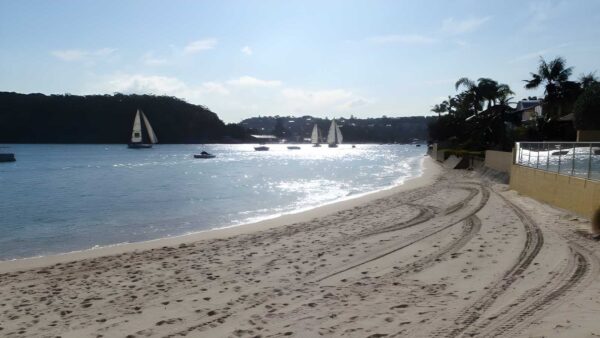
Sydney Harbour National Park protects a scattered collection of foreshore reserves, headlands and islands around Sydney Harbour, wrapping pieces of bushland and open coastline around one of the world’s most recognisable waterways. Although it covers just under 400 hectares, it holds an unusually wide mix of natural, scenic and historic landscapes in a very compact area, from exposed ocean headlands to sheltered harbour coves.
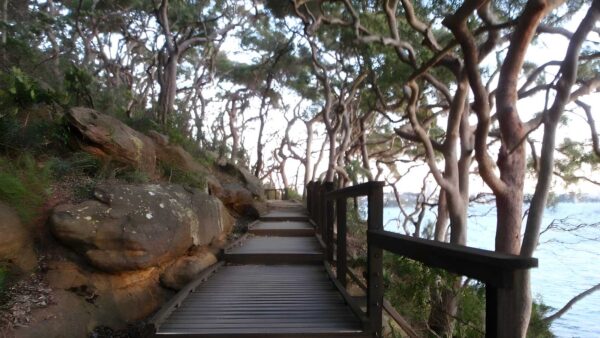
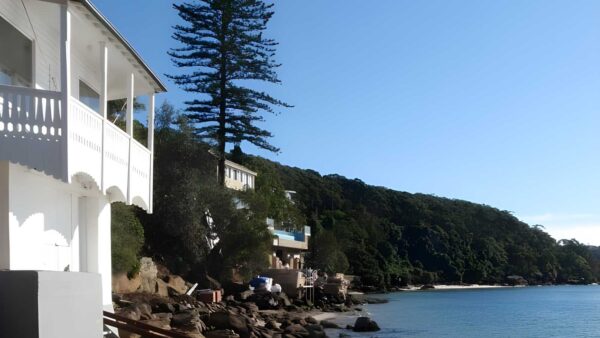
What makes this park distinctive is the way wild pockets of country survive right inside the city. The harbour’s drowned river landscape, formed when the sea flooded the Parramatta River valley about 6,000 years ago, gives the park its steep sandstone slopes, narrow ridges, rocky inlets and broken shoreline.
Highlights
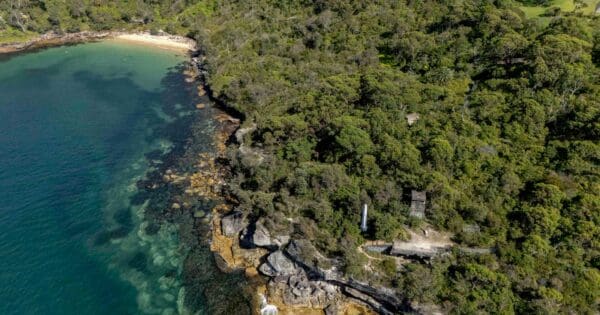
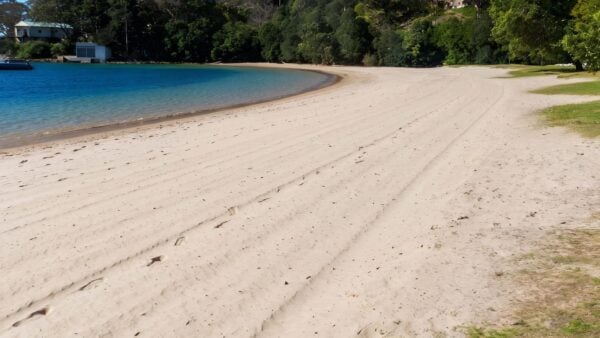
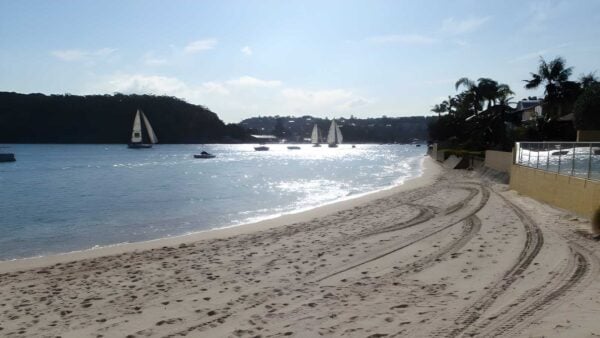
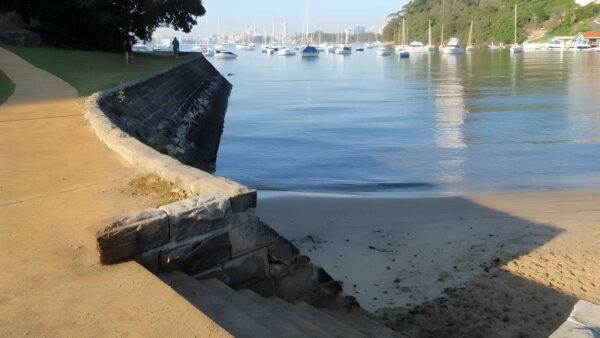
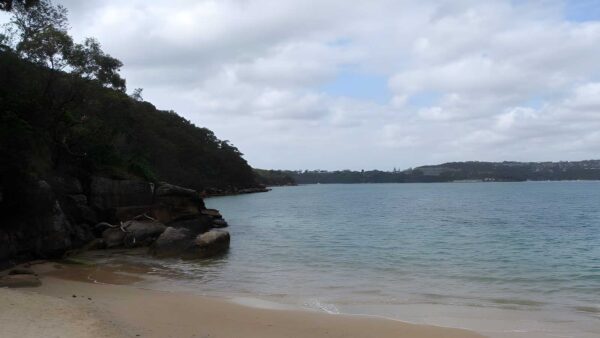
The big draw here is the scenery created by Sydney’s harbour landform itself. Long fingers of Hawkesbury Sandstone push into the water as headlands, with beaches, bays and islands breaking up the shoreline and constantly shifting the view between open ocean and sheltered harbour.
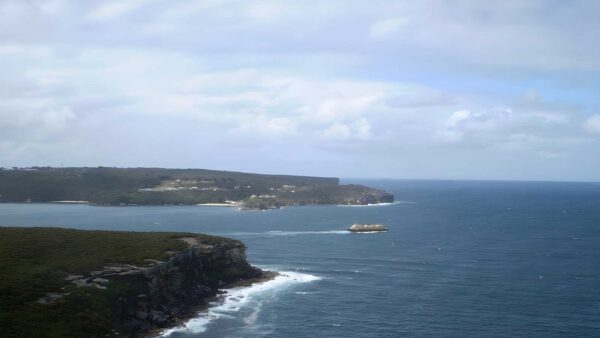
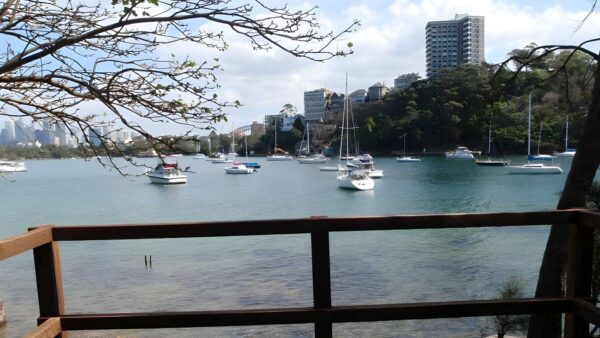
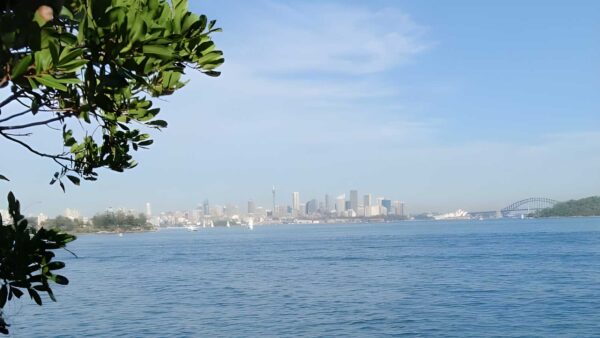
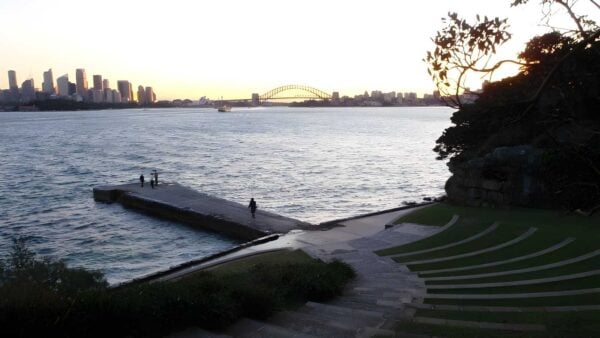
North Head, South Head, Middle Head, Bradleys Head and Dobroyd Head give the park much of its character, each with its own sense of scale and exposure. In some places the outlook is broad and open to the Pacific, while in others the harbour feels enclosed by coves, cliffs and wooded slopes. The combination of water, sandstone and city skyline is what gives this park its visual identity.
Best Time to Visit
This park works well through most of the year because it is spread across exposed headlands and sheltered harbour edges rather than one single landscape. Cooler months are often the most comfortable for longer walks and time spent on the more open sections of foreshore, while clear winter days can bring especially sharp harbour views. Winter is also a good season for watching for migrating whales from coastal lookouts.
Spring is another rewarding time, particularly where heath and scrub communities are flowering. Summer suits readers who want to combine a walk with time beside the water, though the more exposed sections can feel hot in the middle of the day.
Plants and Animals
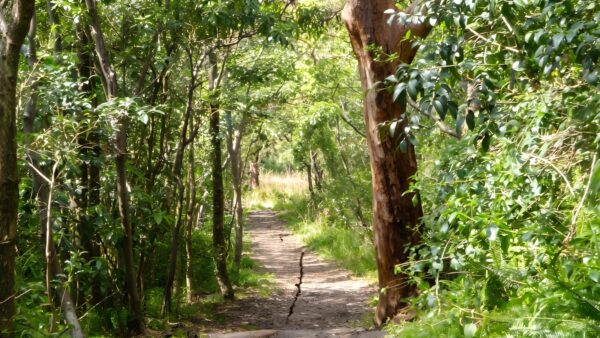
For a park in the middle of Sydney, the natural values are remarkably strong. North Head supports Sydney Harbour’s most extensive area of heath and scrub vegetation, including the largest remaining example of Eastern Suburbs Banksia Scrub. Across the park, sandstone soils support coastal heath, headland scrub, woodland, gully forest, littoral thicket and small patches of littoral rainforest.
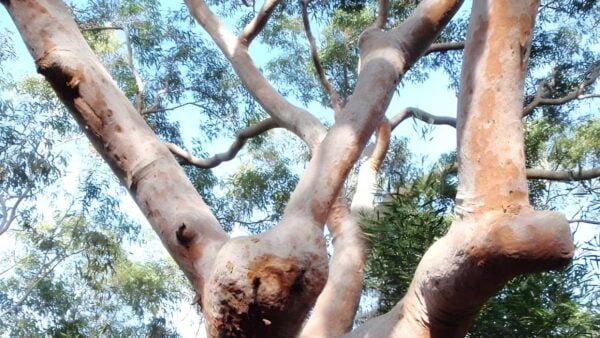
North Head alone has recorded about 460 plant species across its different vegetation communities. Characteristic plants in these sandstone landscapes include heath banksia, coastal banksia, red bloodwood, smooth-barked apple and tea-tree. Nielsen Park is also important for the Nielsen Park she-oak, a species restricted to this park.
The park is also known for a handful of closely watched native animals. North Head is important habitat for endangered little penguins and endangered long-nosed bandicoots, and its grassed and scrubby areas still provide feeding and shelter in a landscape otherwise surrounded by dense urban development.
Culture and Heritage
Sydney Harbour National Park has a direct Aboriginal cultural connection, and Aboriginal heritage is woven through the park’s headlands and islands rather than being confined to one precinct. Aboriginal sites in the park include rock engravings, painted figures and shell middens, showing a long and continuing relationship with the harbour landscape.
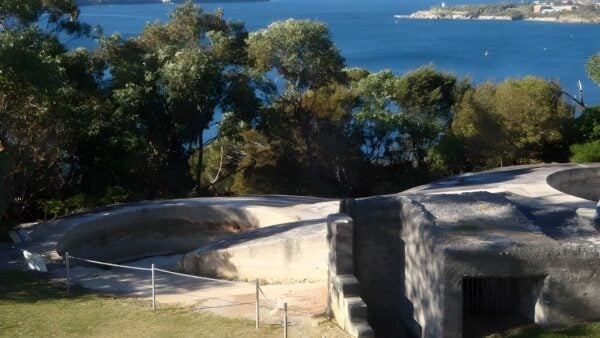
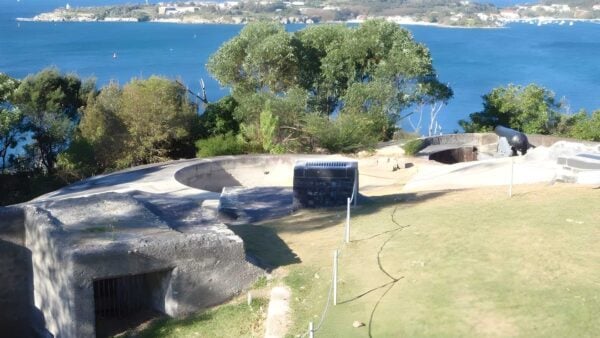
The park also carries a dense layer of more recent history. Its foreshores and islands contain places linked with defence, quarantine, maritime industry and public recreation, and many of the best-known harbour landmarks sit within that broader story. That mix of Aboriginal heritage and later harbour history is a big part of why the park feels so different from inland bush reserves.